Why Is My Walking Pad Vibrating?

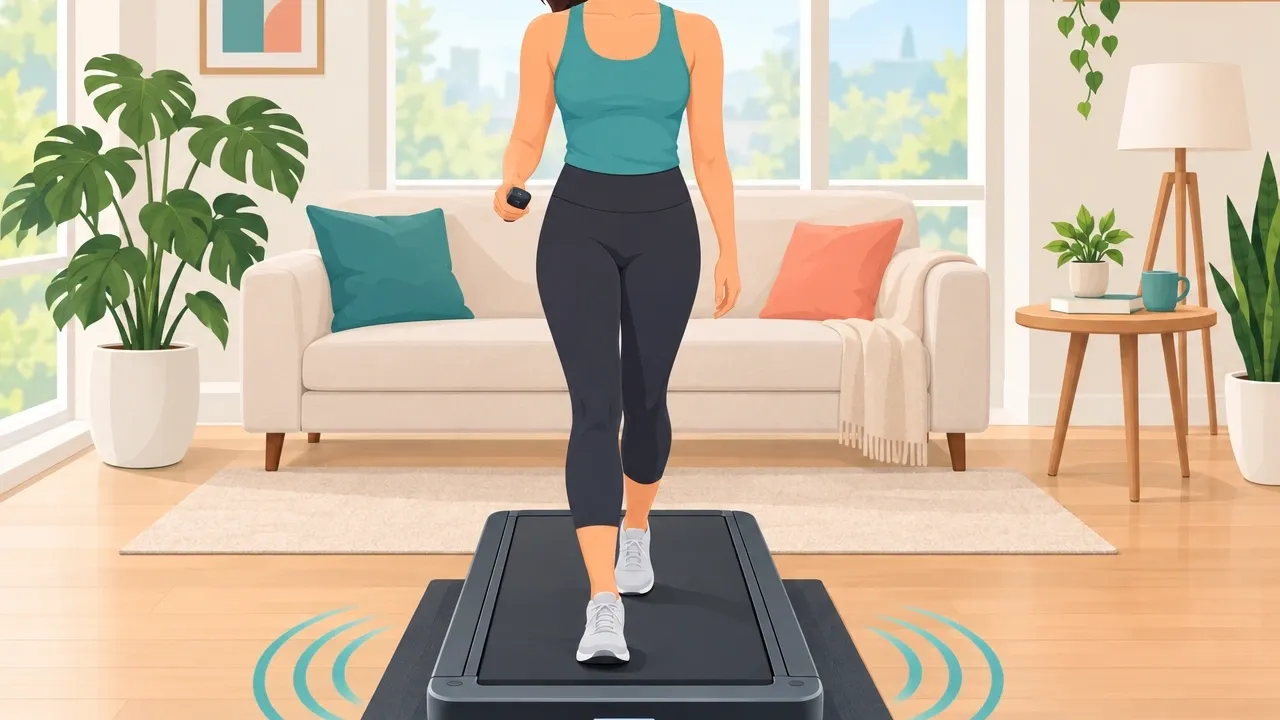
Learn why your walking pad is vibrating. It could be a built-in feature or a mechanical issue. This guide helps you diagnose, fix, or safely use the vibration.
Your walking pad may be vibrating for one of two reasons: it is a built-in feature designed for exercise, or it is a mechanical problem that needs attention.
This guide will help you tell the difference and take the right action. Many people assume all vibration means something is broken, but that is not always the case.
Read on to find out what kind of vibration you are dealing with.
Is Your Walking Pad Supposed to Vibrate?
The first thing to do is check if your model includes a vibration mode. Some walking pads, like the Squatz 2-in-1 Walking Pad, come with built-in vibrating plates.
These are meant to help with muscle activation, balance, and recovery.
If your pad has a vibration button on the remote or displays intensity levels like 1 to 4, that is a clear sign the shaking is intentional.
Feature vs Fault: The 30-Second Test
Answer these simple questions to decide quickly:
- Does your walking pad have a remote control with a vibration button or intensity settings?
- Does the product listing or manual mention “vibration plates,” “linear oscillation,” or “2-in-1” walking and vibration?
- When you turn on the pad without walking, does the deck move in a smooth, rhythmic, low-frequency motion?
- Is the vibration even across the whole deck, not just one side?
If you answered yes to most of these, the vibration is a feature. If the motion feels random, jerky, or is accompanied by grinding or clicking sounds, it is likely a mechanical fault.
What to Expect When Vibration Is a Feature
If your pad is designed to vibrate, that motion helps activate your muscles while you stand or walk. It can improve balance, speed up recovery after workouts, and add a low-impact challenge.
Typical vibration is smooth and linear – the whole deck oscillates gently. You will hear a low hum, and your feet may feel a slight buzz.
Intensity levels let you control how strong the vibration feels. Normal vibration will not damage nearby electronics or your floor if you use a proper mat.
Models like the Squatz 2-in-1 have a noise level of 45 dB or less, which is quieter than a normal conversation.
Three Myths About Walking Pad Vibrations
- Myth: All pad vibrations are bad. Reality: Many pads are intentionally built to vibrate for exercise and recovery. A feature pad is supposed to shake.
- Myth: A vibration pad will ruin your floors. Reality: A vibration-dampening mat prevents scratches and reduces resonance. Most pads are safe on hard floors when used correctly.
- Myth: You can ignore any small vibration. Reality: Even a slight change in vibration pattern can warn you of a problem like a loose belt or motor imbalance. Always investigate new vibrations.
When Vibration Means Something Is Wrong
If your walking pad is not supposed to vibrate, or the vibration feels wrong (irregular, loud, or one-sided), a mechanical issue is likely. Here are the five most common causes.
Uneven Floor or Unstable Surface
The floor under the pad may not be level. Even a small gap can cause the pad to rock or shake during use. Place a bubble level on the deck.
If it is not level, shift the pad to a flat area or use a shim under the feet.
Loose or Worn Walking Belt
A belt that is too loose will slip and cause thumping or lateral wobble. A belt that is too tight can also create vibration.
Check tension by lifting the belt edge; you should be able to pull it about two inches from the deck. Adjust with an Allen wrench or lubricate with silicone oil if the belt feels dry.
Motor or Pulley Imbalance
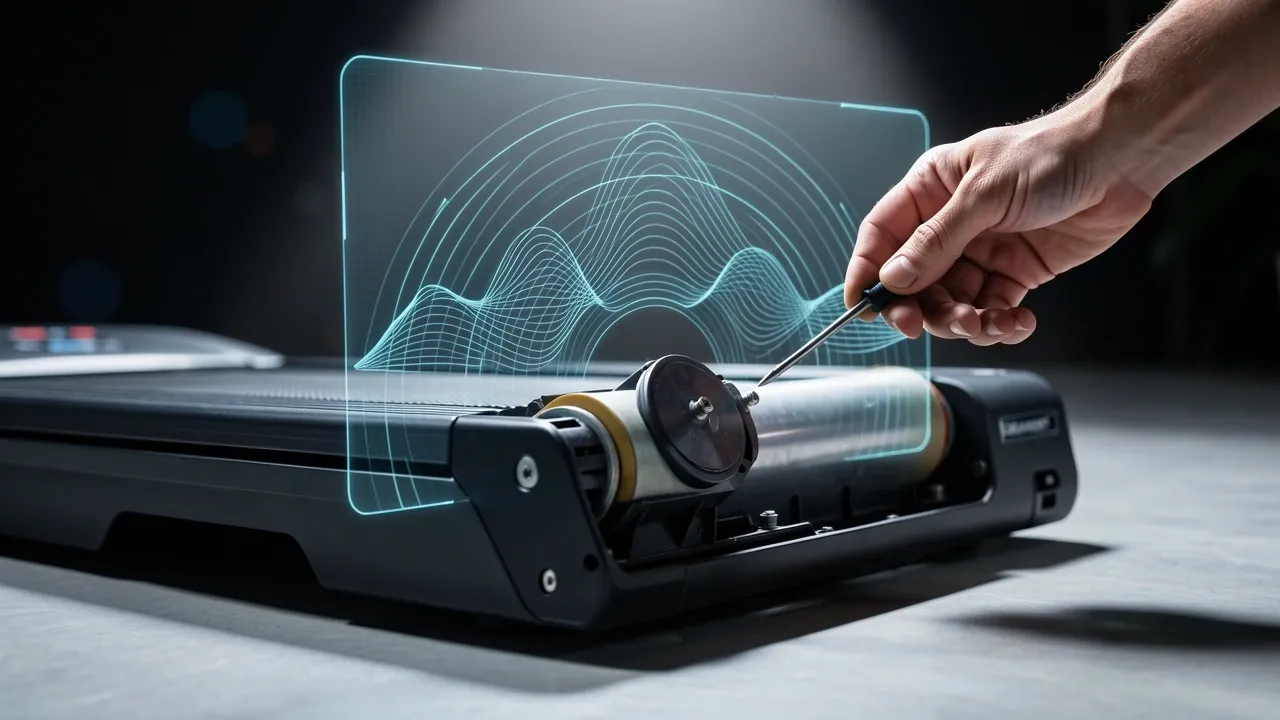
If the motor mount or pulley is misaligned, the whole pad will shake. This often comes with a grinding noise. To test, run the pad without anyone on it.
If the vibration is strong even with no load, the motor may need professional service.
Debris or Foreign Object
Small objects like dust, pet hair, or a dropped coin can get caught between the belt and deck. The vibration will be brief and occur at certain points of the belt rotation.
Inspect the belt track and clean it with a vacuum or damp cloth.
Resonance From Surroundings
Your walking pad may be sitting on a hollow subfloor or wooden floorboards that amplify vibration. The floor itself can act like a drum. Place a glass of water on the floor near the pad.
If the water ripples noticeably when the pad runs, you likely have a resonance problem. A thick rubber mat will absorb most of that energy.
Advanced Environment Optimization
If you suspect resonance or floor vibration, try these steps:
- Use a vibration-dampening mat made of thick rubber (at least 0.5 inches thick). Avoid foam mats that compress too much.
- Move the pad to a concrete floor if possible. If not, add a plywood board under the mat to spread the force.
- Move the pad away from walls and furniture. Objects touching the pad can amplify the shaking.
Step-by-Step Troubleshooting Guide
Follow these steps in order to identify and fix the vibration problem.
- Check the floor. Level the pad and place it on a hard, flat surface. Add a rubber mat.
- Inspect the belt. Turn off and unplug the pad. Lift the belt. If it moves more than 3 inches from the deck, tighten it. If it feels sticky, apply silicone oil.
- Run the pad empty. Turn it on without anyone walking. If vibration persists, the issue is internal (motor, belt tension, or debris).
- Listen for noise. A grinding or knocking sound points to the motor or pulley. Stop use and contact the manufacturer if under warranty.
- Check for debris. Look under the belt. Clean out any dust or small objects.
- Test at different speeds. If vibration only occurs at certain speeds, belt tension or resonance is likely. Lubricate the belt or adjust speed.
When Vibration Becomes a Safety Risk
Some vibration is harmless, but certain signs mean you should stop using the pad immediately:
- Burning smell or smoke
- Loud knocking or metal-on-metal sound
- Belt suddenly stops or slips
- Vibration is accompanied by erratic speed changes
If any of these happen, unplug the pad and contact the manufacturer. Most walking pads come with a warranty (like the 5-year warranty on Squatz Apollo boards).
Do not try to open the motor casing yourself unless you are experienced. If your pad is a vibration model, brief use at high intensity is fine.
But if the vibration pattern changes or becomes louder over time, inspect it before your next workout.
Frequently Asked Questions
Why does my foot feel like it is vibrating even after I step off the pad?
This is a ghost vibration sensation. It can happen because your feet are still adjusting to the machine motion. Also, the floor may be vibrating through your shoes.
To test, stand next to the pad while it runs. If you feel the floor move, use a vibration mat.
Can a walking pad vibration damage nearby electronics?
Only if the vibration is intense and prolonged. Most home electronics are safe. To be extra careful, keep devices like laptops or speakers at least two feet away from the pad.
A good mat reduces floor vibration significantly.
My walking pad vibrates only at certain walking speeds. Is that normal?
This is common. It usually means the belt tension or motor resonance aligns with a specific RPM. Try lubricating the belt. If the vibration is mild and smooth, it is likely normal.
If it is rough or noisy, follow the troubleshooting steps above.
How do I clean my walking pad to prevent vibration from debris?
Once a month, unplug the pad and vacuum the belt track and the area under the belt. Wipe the deck with a dry cloth. Do not use water or harsh cleaners.
Apply silicone oil to the belt every two months to keep it moving smoothly.
Is it safe to use a vibration walking pad during pregnancy?
Consult your doctor before using any vibration equipment during pregnancy. In general, low-intensity use may be fine, but each situation is different. Always follow your manufacturer’s guidelines.
What noise level is normal for a vibration walking pad?
A feature vibration pad like the Squatz model operates at 45 dB or less. That is similar to a quiet library. If you hear louder noises like scraping or knocking, something is wrong.
Compare with other users’ reviews to know what is normal for your model.