Walking Pad vs Treadmill – Which One Actually Fits Your Life?

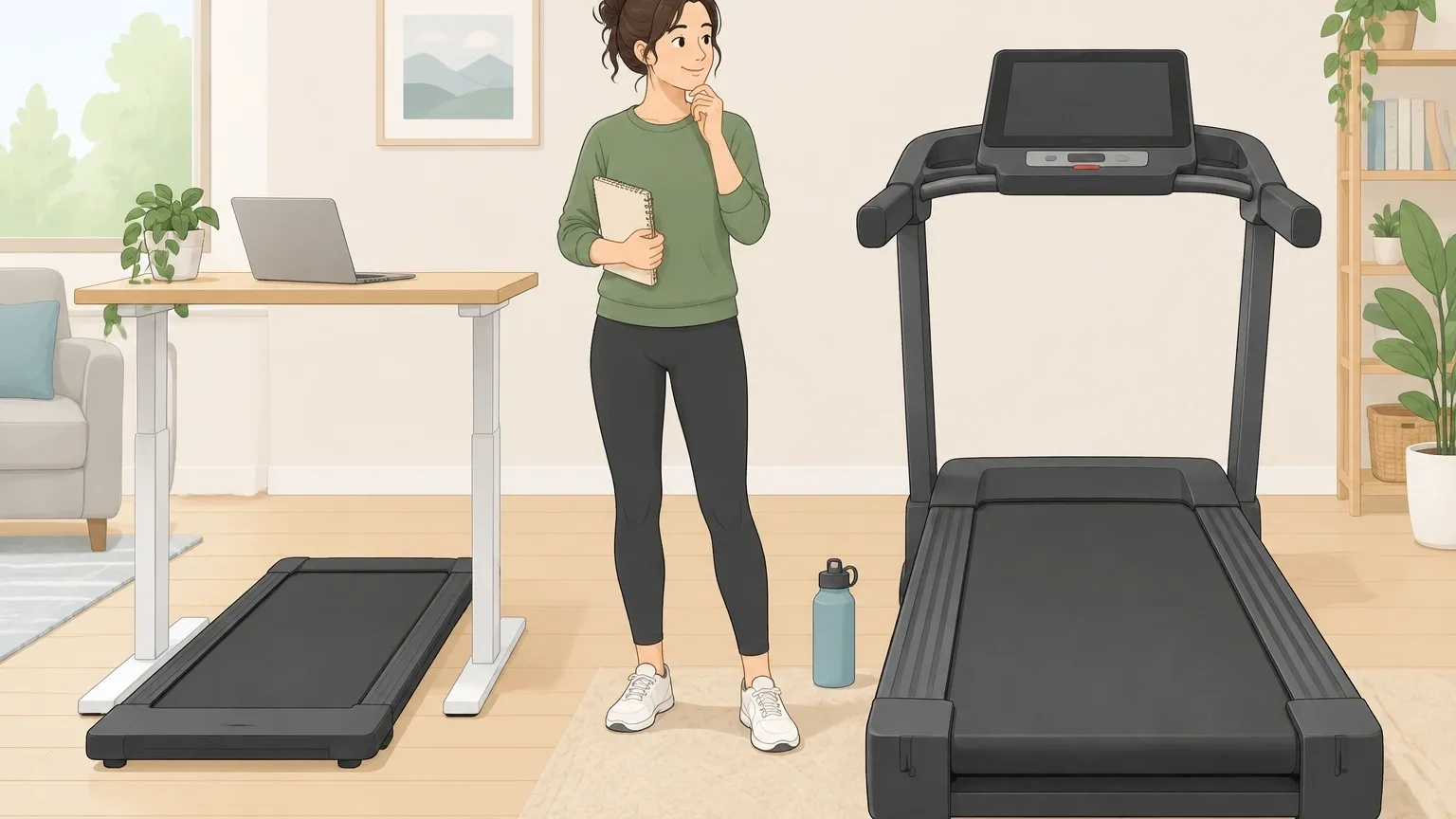
I’ve spent years testing both walking pads and treadmills at home, in small apartments, and even in home offices. The short answer: one is not better than the other.
They are built for different habits. If you want to walk while working or watching TV, a walking pad makes sense.
If you plan to run, do intervals, or need incline training, a treadmill is the only real choice. Everything else comes down to the details that most articles skip.
Let me walk you through them one by one.
What Exactly Is Different – A Side‑by‑Side Look
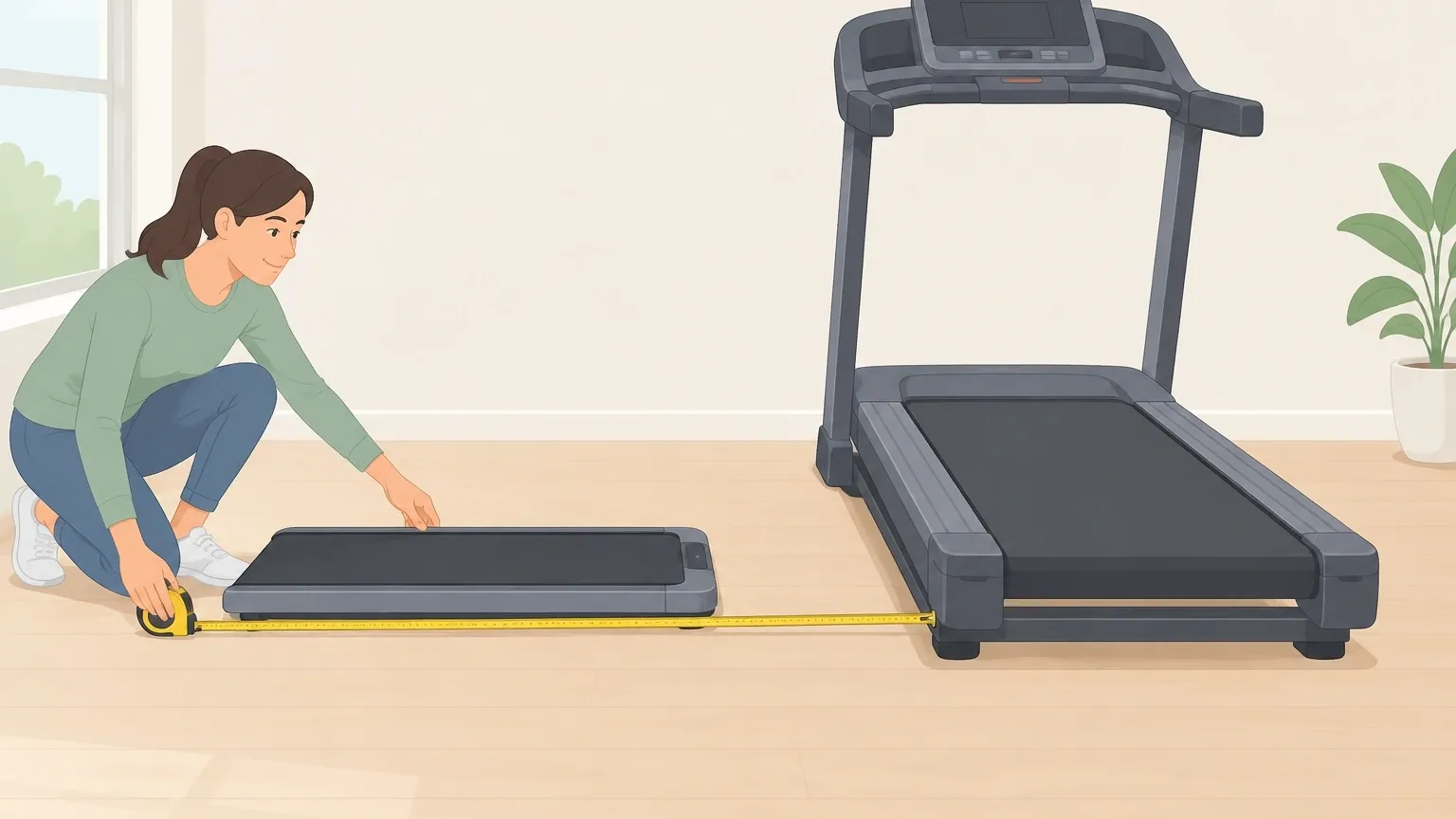
Before you decide, you need to see the specs in plain numbers. Here is what matters most when comparing a walking pad and a treadmill.
| Feature | Walking Pad | Treadmill |
|---|---|---|
| Motor power (continuous) | 0.5 – 1.0 CHP | 1.5 – 3.5 CHP |
| Speed range | 0.5 – 6 km/h (most) | 0.5 – 20+ km/h |
| Incline | None (almost all models) | 0% – 15% or more |
| Belt size (length) | 100 – 130 cm | 120 – 150+ cm |
| Weight capacity | 100 – 120 kg typically | 130 – 180 kg |
| Noise level (walking speed) | 40 – 55 dB | 50 – 70 dB |
| Folding / storage | Ultra‑compact, slides under furniture | Folds but still large and heavy |
| Typical price | $300 – $600 | $500 – $2,500+ |
| Warranty (motor/frame) | 1 – 2 years | 5 – 10 years (quality brands) |
That table gives you the raw numbers. But numbers don’t tell you how these machines actually feel in daily use. Let’s get into that.
Real‑World Scenarios – Which Machine Works for What You Do
Walking While Working
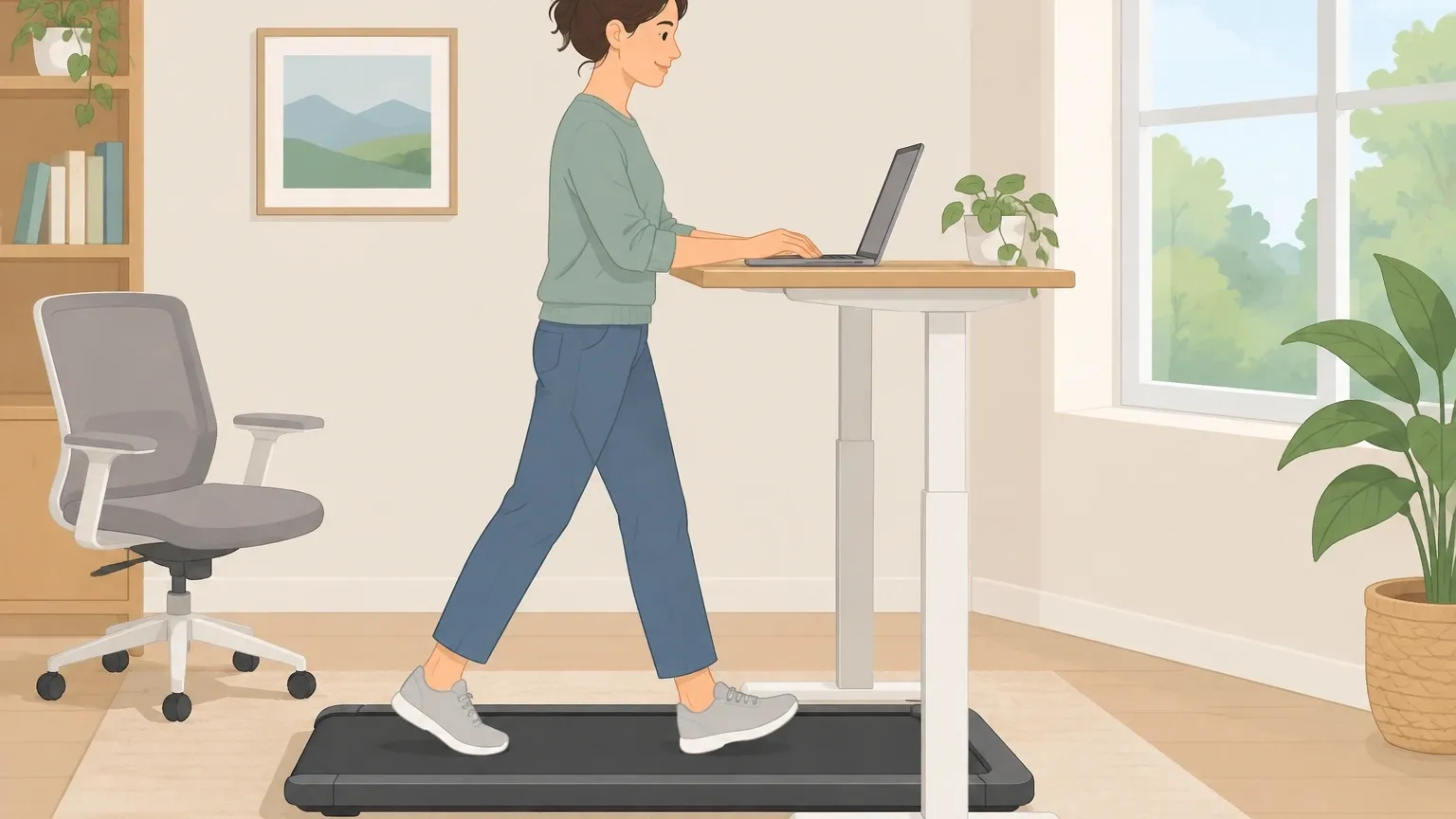
This is the walking pad’s sweet spot. I used a walking pad under my standing desk for three months.
It was quiet enough to take phone calls, the belt took zero space when slid under the desk, and I could walk at 3–4 km/h for hours.
A treadmill would have been too tall, too loud, and too bulky for that setup. If your main goal is to get steps in while working, get a walking pad.
Weight Loss and Calorie Burn
If you want to burn calories fast, a treadmill gives you more tools. Incline walking at 10% burns roughly 40% more calories per minute than flat walking at the same speed.
I can do a 30‑minute incline interval on a treadmill and feel it in my glutes and hamstrings. With a walking pad, I’d need to walk twice as long to get the same total burn.
For weight loss, the treadmill wins – but only if you actually use the incline and speed options.
Seniors and Rehabilitation
Both machines can work, but the walking pad is safer for older adults or anyone recovering from injury. Low speed, no incline, and a softer belt reduce the chance of tripping.
I’ve recommended walking pads to friends after knee surgery simply because they can start at a very slow 1 km/h and build up gradually.
The lack of handrails on most walking pads is a concern – look for a model that includes optional rails.
Serious Running Training
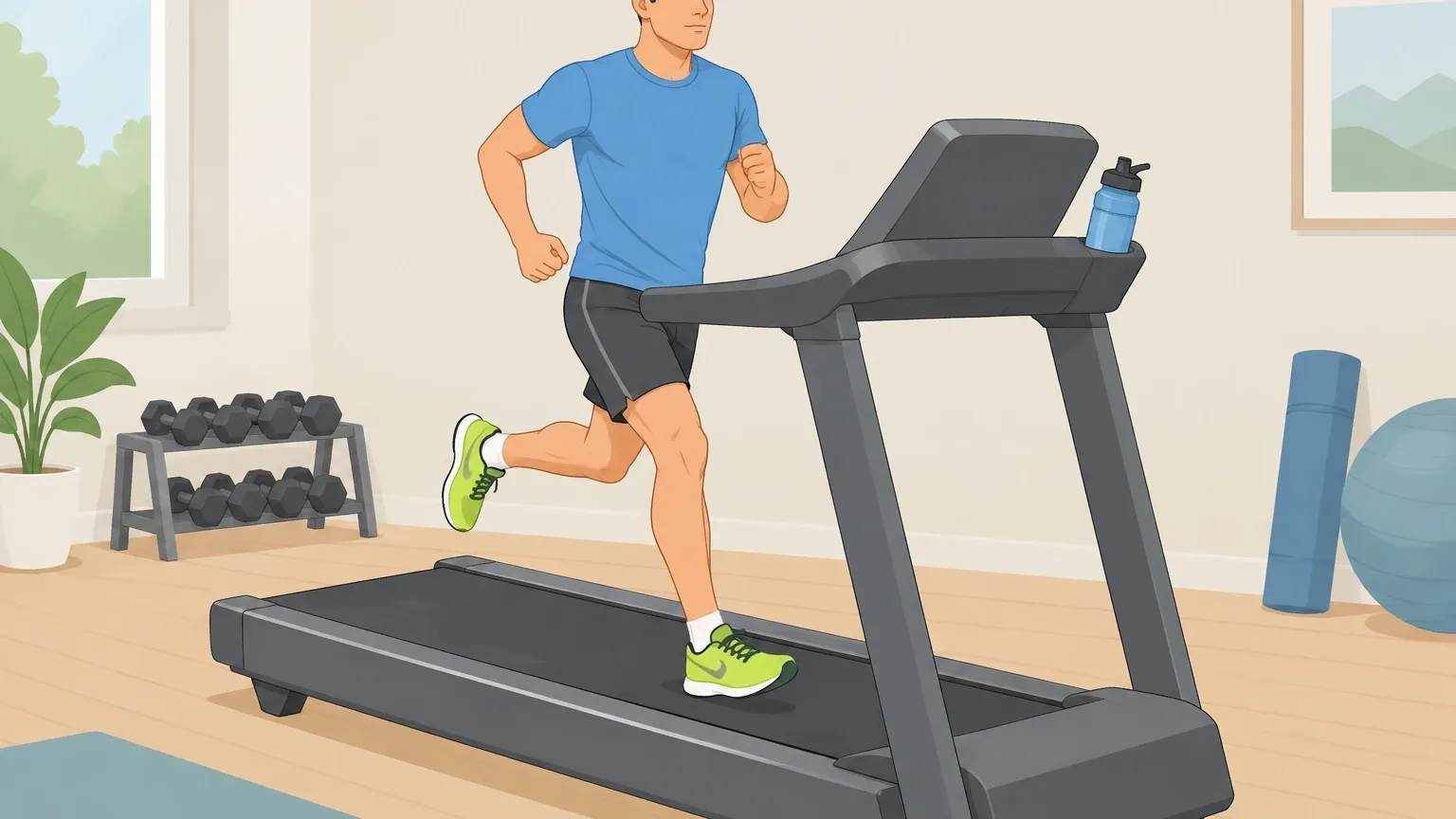
If you run regularly, do not buy a walking pad. I tried jogging on a walking pad once and the motor struggled to maintain 8 km/h. The belt felt unstable and the deck had no cushioning for impact.
A treadmill with at least 2.0 CHP and a longer belt is essential for proper running form and joint safety. No shortcut here.
Hidden Differences That Affect Satisfaction Long‑Term
Most guides stop at size and price. But there are four things you will only notice after a few weeks of use.
Motor Duty Cycle – How Long Can You Really Run It?
A walking pad motor is designed for “walking” – continuous low power. Most can run for two to three hours straight before overheating. I had one that shut off automatically after 1.5 hours.
A treadmill motor, especially one with a continuous horsepower rating, can run for hours at higher speeds without thermal shutdown.
If you walk all day at a standing desk, the walking pad’s duty cycle matters more than its top speed.
Belt Maintenance – What You Need to Do
Walking pads almost always use a self‑lubricating belt or require you to apply silicone lubricant every few months. If you skip it, the belt wears out fast and the motor works harder.
Treadmills also need lubrication, but many quality brands have a permanent‑lubrication belt that lasts years. Check the maintenance manual before you buy.
I have replaced two walking pad belts because I did not lubricate them on schedule.
Floor Vibration and Noise
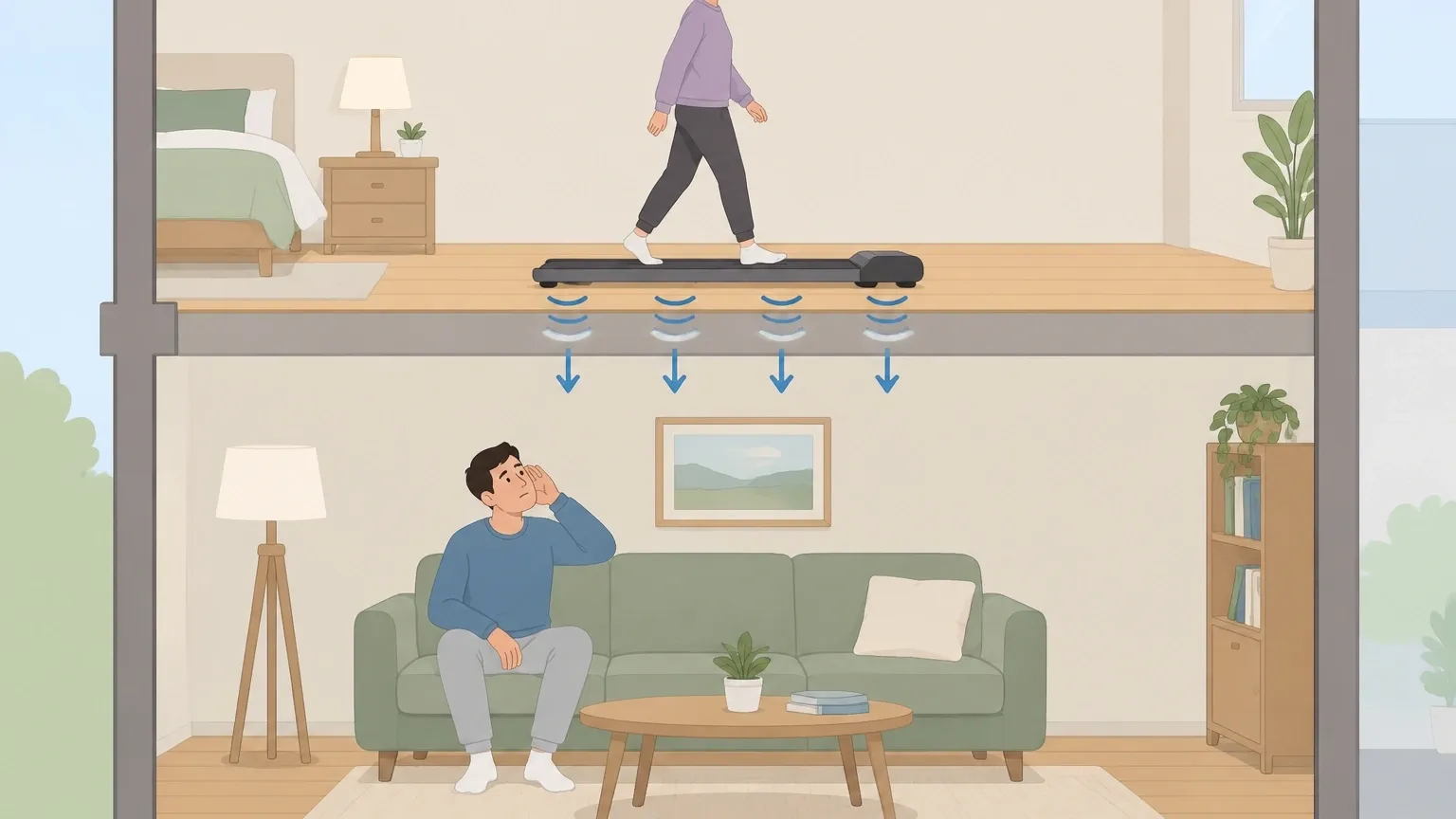
Walking pads are quieter in air noise, but they transmit footfall vibration directly to the floor below because they are lightweight. In an apartment, your downstairs neighbor might hear the thumping.
Treadmills, being heavier and often having rubber feet or a solid base, vibrate less. I put a thick rubber mat under my walking pad and it helped, but not completely.
Warranty – What It Really Covers
Walking pad warranties are short – motor 1 year, frame 2 years usually. Treadmill warranties often cover the motor for 5–10 years and the frame for life.
That difference tells you something about expected lifespan. A $400 walking pad that lasts two years is actually more expensive per year than a $1,000 treadmill that runs for ten years.
Cost Over Time – What You Really Pay
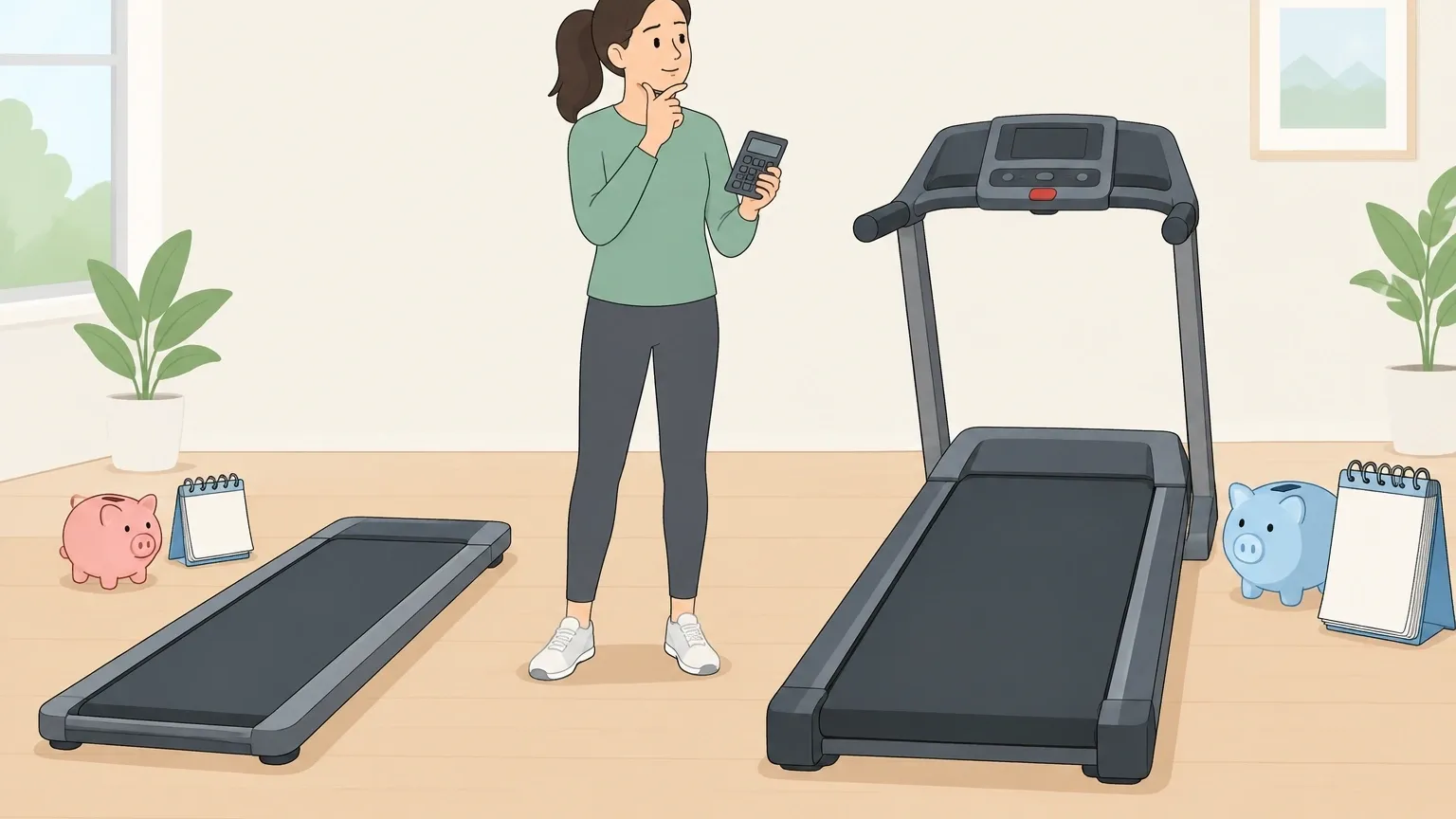
Upfront price is only half the story. Let’s run the numbers for three typical use cases.
- Light user (walking 30 min/day): A walking pad at $400 lasts about 4 years. Total cost per year: $100. A cheap treadmill at $600 lasts 7 years. Cost per year: $86. Slightly cheaper with the treadmill, but the walking pad takes less space.
- Daily walker (2 hours/day at standing desk): Walking pad wears out in 2 years. Cost per year: $200. A mid‑range treadmill ($1,200) lasts 10 years. Cost per year: $120. The treadmill is actually cheaper long‑term – and you can use it for running when you want.
- Runner (1 hour/day of running, intervals): Only a treadmill works. $1,500 treadmill lasts 8–10 years. Cost per year: $150–$190. No walking pad can handle that use.
Also factor in injuries. A good treadmill with proper cushioning reduces impact on knees.
Skipping a walking pad’s lubrication schedule can cause the belt to seize – that is a repair cost you don’t see on the label.
The Hybrid Option – When a Walking Pad Is Almost a Treadmill
A few models blur the line. Some “under‑desk treadmills” have a speed range up to 10 km/h and a longer belt (around 120 cm). They are marketed as walking pads but can handle a slow jog.
I tested one of these hybrids for three weeks. The good: it fits under the desk, folds up, and you can jog short intervals (< 5 minutes) without the motor complaining.
The bad: the belt is still short for a full stride, the frame is lightweight so it shakes when you jog, and there is no incline.
If your plan is mostly walking with occasional light jogging, a hybrid might work. But if you ever want to run more than 10 minutes at a stretch, go with a proper treadmill.
Final Decision Framework – Three Steps to Your Answer
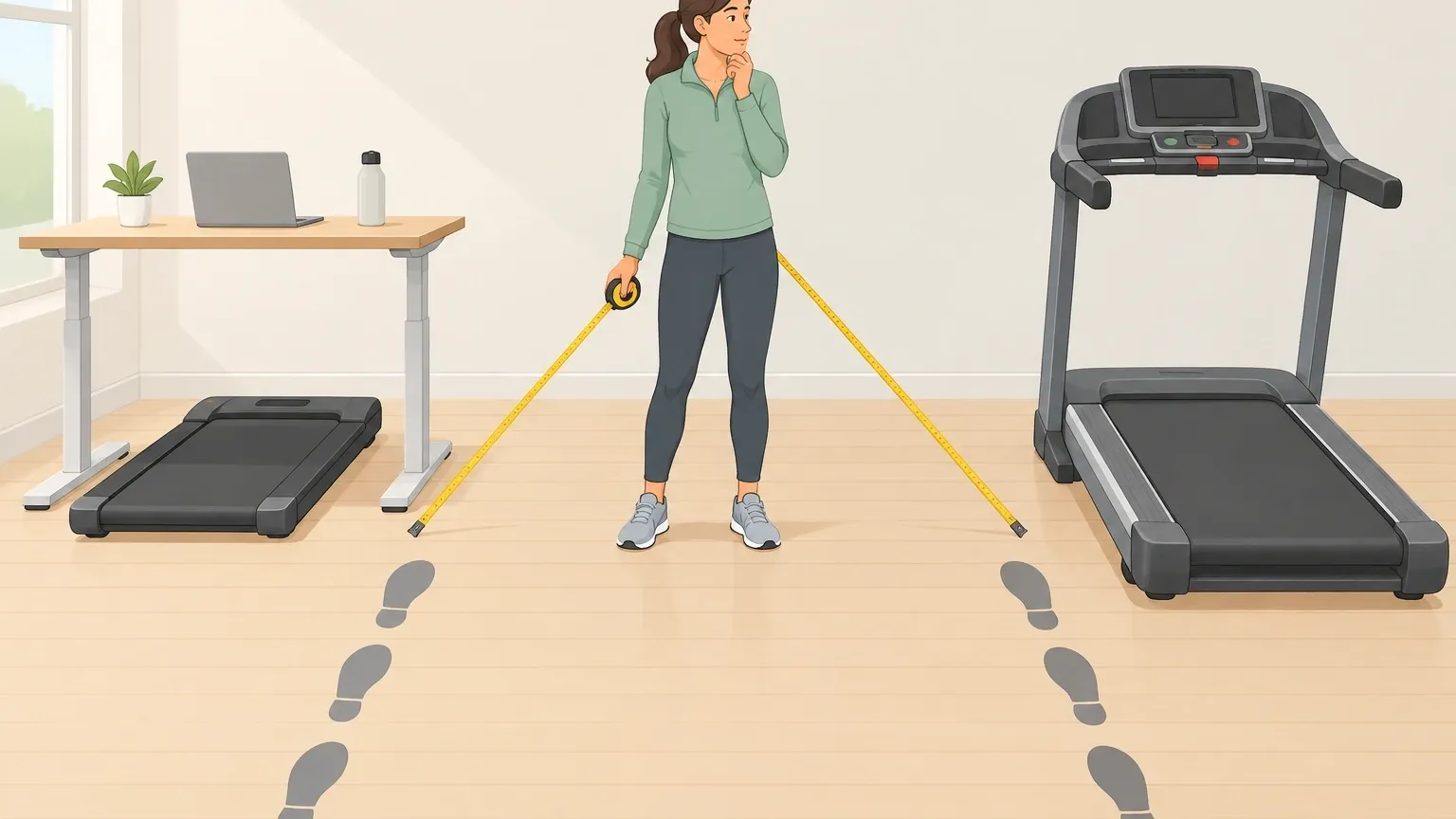
- Define your primary activity. Is it only walking? Walking plus occasional jogging? Or running and interval training? Only treadmills handle the last one.
- Measure your space and noise tolerance. Can you spare a permanent 2‑meter rectangle? If not, a walking pad’s foldability matters. Do you have downstairs neighbors? Treadmills vibrate less, but a walking pad with a thick mat can also work.
- Set a budget that includes upkeep. Walking pads are cheap upfront but may need replacement sooner. Treadmills cost more today but can last a decade. Factor in the cost of your time – a walking pad might be worth the trade‑off if you cannot live without under‑desk walking.
My personal verdict: If you only walk and space is tight, get a walking pad with a remote control and a mat.
If you want to run, lose weight fast, or train for anything, buy a treadmill with a continuous‑duty motor and a solid warranty.
The hybrid models are a compromise – fine if you are honest about never running seriously.
Frequently Asked Questions
Can I run on a walking pad?
Most walking pads top out at 6 km/h. A few hybrid models reach 8–10 km/h, but the belt is short and the motor is not designed for continuous running impact.
Running on a standard walking pad risks motor burnout and instability. If you plan to run, buy a treadmill.
Are walking pads safe for seniors with balance issues?
Yes, because they lack incline and have a low maximum speed. However, most walking pads do not include handrails. Look for a model that offers optional support rails or buy a separate walking rail kit.
A senior should always have something to hold onto while stepping on or off.
Which machine is better for weight loss – walking pad or treadmill?
Treadmills allow incline and higher intensity, so you burn more calories per minute.
A 30‑minute treadmill session with incline can burn 300+ calories versus about 150 calories on a flat walking pad at the same speed.
Walking pads support weight loss if you walk many hours daily, but the time investment is much larger.
How much noise does a walking pad make compared to a treadmill?
Walking pads are quieter in motor hum (40–55 dB) but can produce foot‑thumping vibrations that travel through floors.
Treadmills are louder at the motor (50–70 dB) but the heavy frame absorbs foot impact better. In a house on a concrete slab, a walking pad is quieter.
In an apartment with wood floors, a treadmill with a mat may actually be quieter for neighbors below.
What is the typical lifespan of a walking pad vs. a treadmill?
Cheap walking pads ($300–$400) last 1–2 years under daily walking use. Mid‑range walking pads ($500–$600) can last 3–4 years with proper lubrication.
A quality treadmill ($1,000+) lasts 5–10 years with routine maintenance. The motor warranty is the best indicator: 1‑year on walking pads vs. 5‑year+ on treadmills.
Can tall or heavy people use a walking pad?
Most walking pads have a weight limit of 100–120 kg and a belt length of 130 cm. If you are taller than 185 cm, your natural stride may feel cramped on a short belt.
Heavier users (over 110 kg) need to check the warranty – many walking pad motors are not built for sustained load.
Treadmills typically have longer belts (140–155 cm) and higher weight capacities (150 kg+).