Are Walking Pads as Good as Treadmills? The Honest Truth

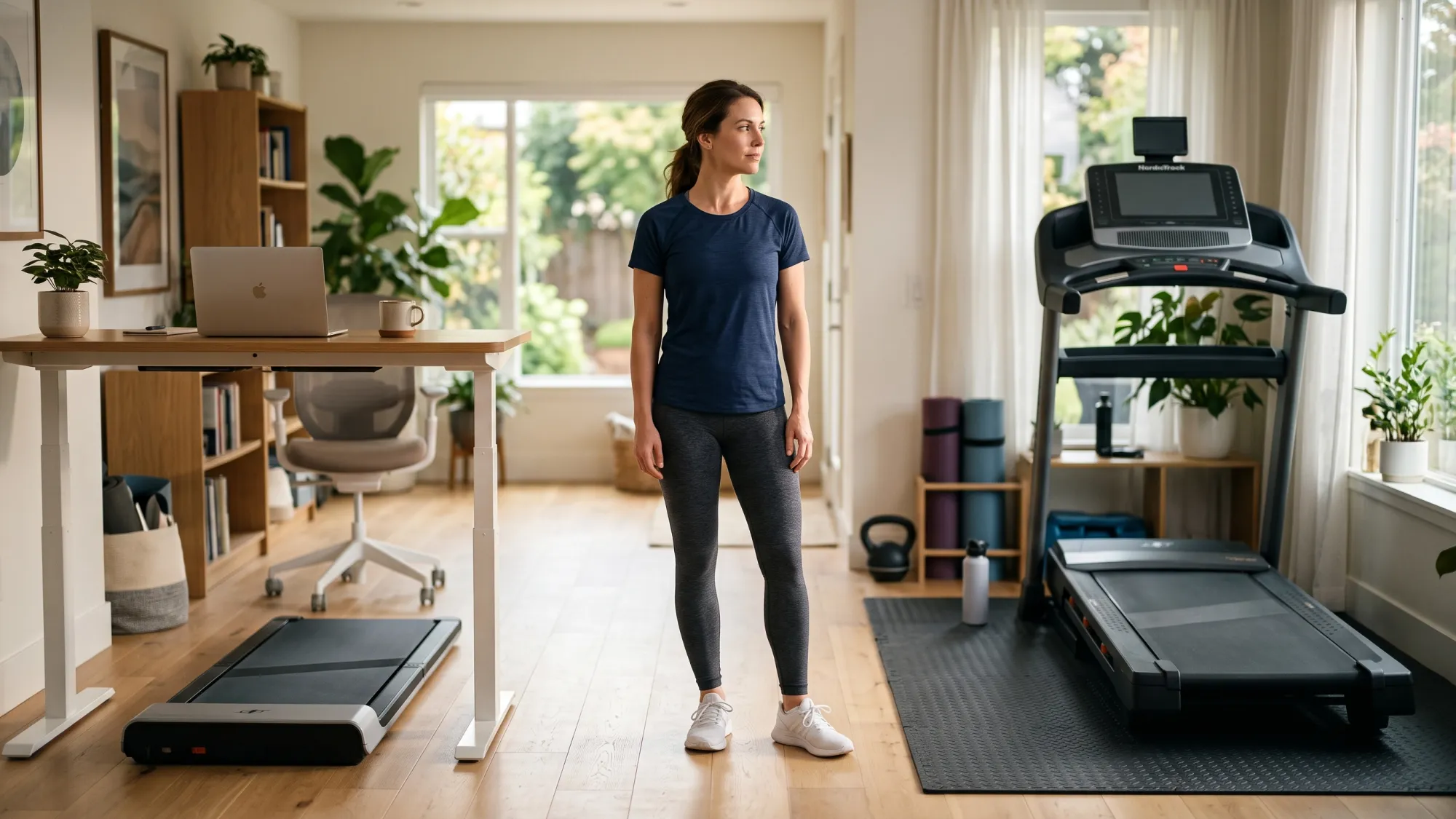
Walking pads are not as good as treadmills for running or intense training, but they are better for adding steps during work. Treadmills offer incline, speed, and durability.
Walking pads win on space and convenience.
If you are trying to decide between a walking pad and a treadmill, you probably want a straight answer.
The short version is this: No, walking pads are not as good as treadmills for most forms of exercise. But they are not trying to be. The real question is which machine fits the way you actually move.
Let us walk through the trade-offs so you can pick the right one without wasting money or floor space.
Understand What "Good" Means for You
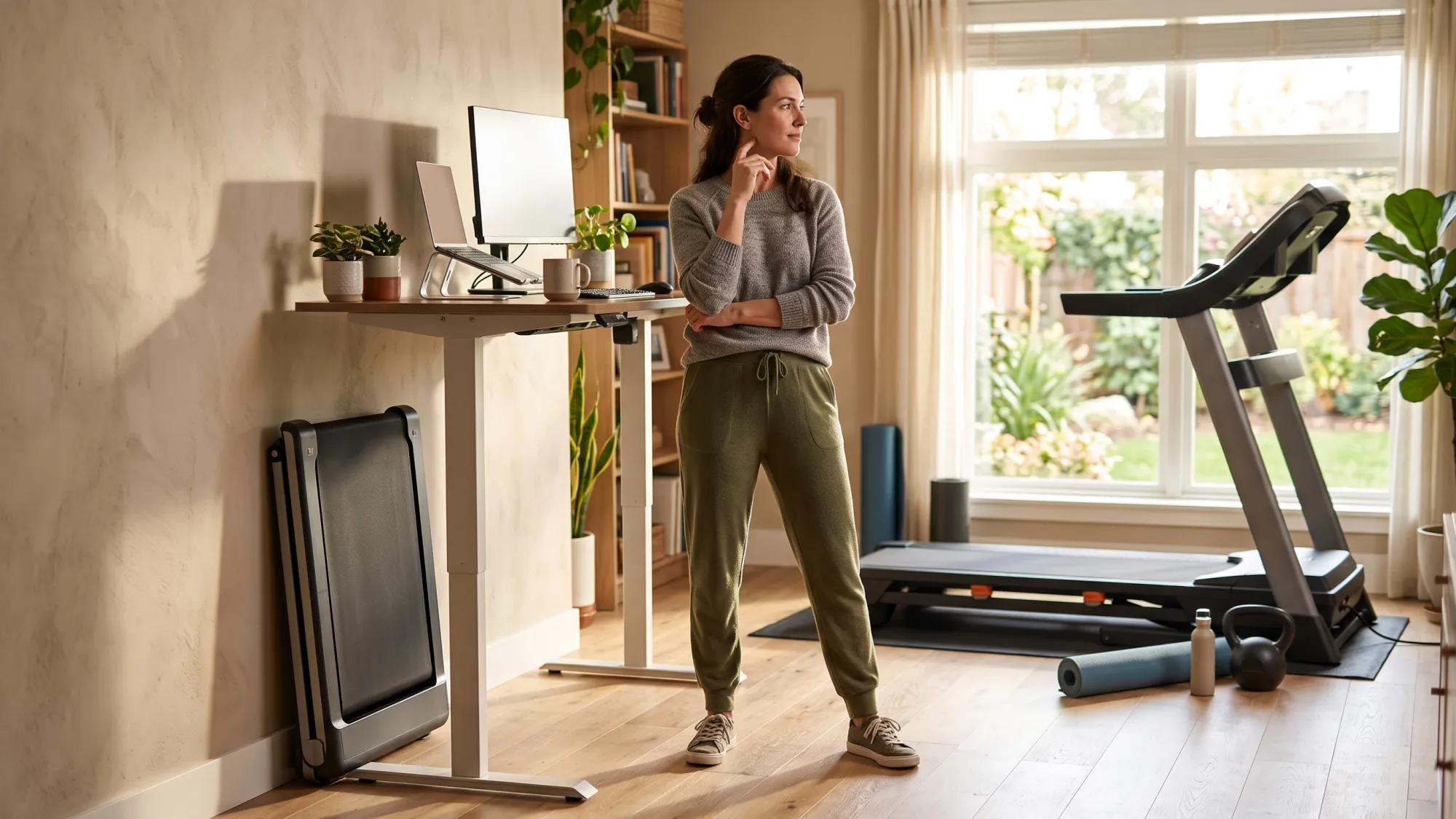
Before you look at any specs, you have to know what you need the machine to do. A walking pad and a treadmill might look similar, but they serve very different jobs.
Ask yourself these three questions first:
- Will you ever run? If the answer is yes, a walking pad will not work. Most walking pads top out at 4 MPH. Even the ones that claim higher speeds have short decks that make running dangerous.
- Where will you keep it? If you need to slide it under a desk or lean it against a wall when not in use, a walking pad wins. Treadmills need permanent floor space.
- How will you use it? If you plan to walk while working or watching TV, a walking pad is fine. If you want to do intervals, incline training, or actual running, you need a treadmill.
Three Things a Walking Pad Cannot Do
Once you understand what a walking pad is not designed for, the choice becomes clearer. Here are the three main activities you lose by choosing a walking pad over a treadmill.
1. Running at Any Real Speed
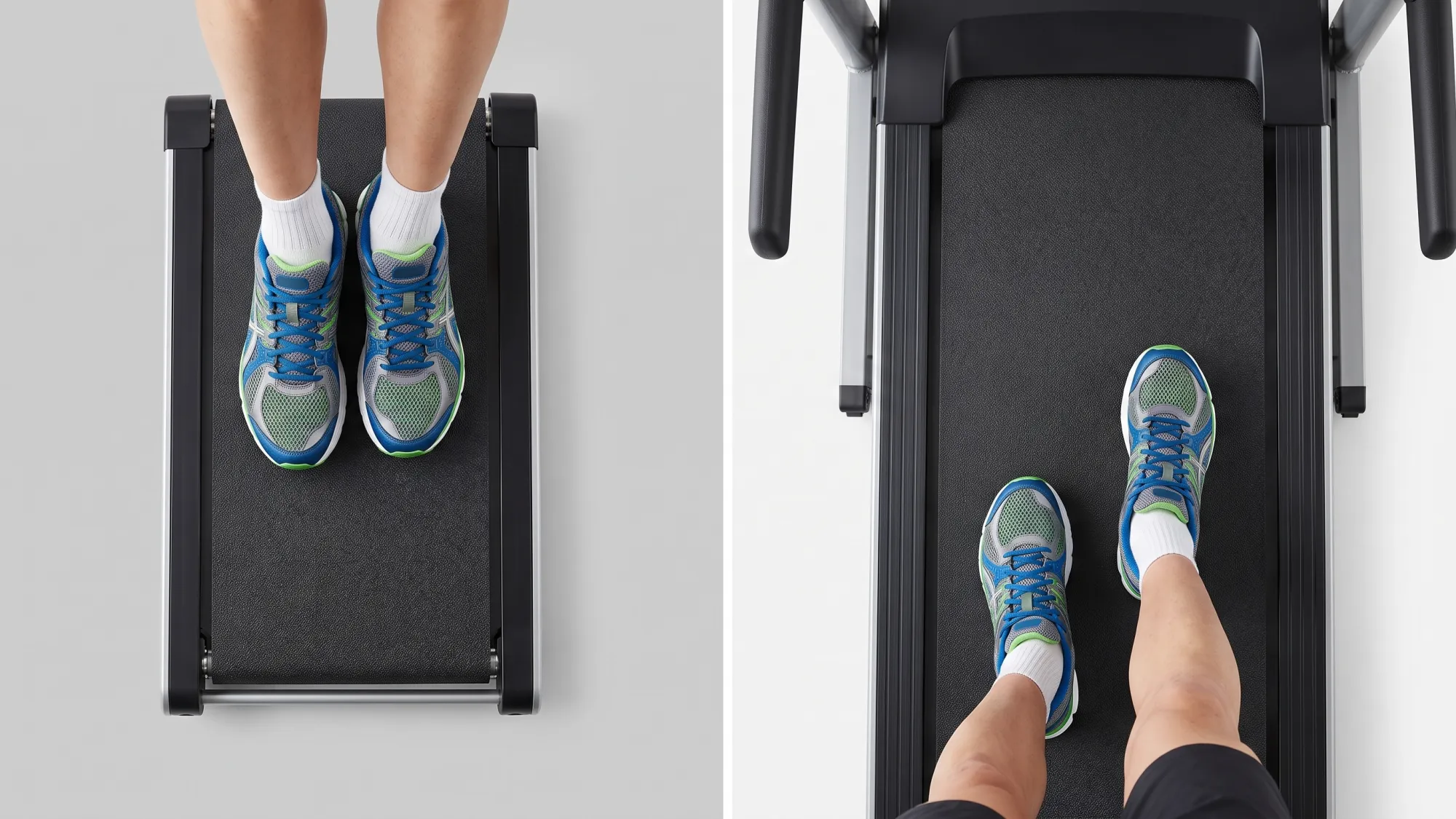
Walking pads top out between 3 and 4 miles per hour. That is a brisk walk, not a jog. Even if you find a model that claims a higher speed, the deck is too short for a natural running stride.
You will hit the front motor housing with your toes or overstride in a way that throws your gait off. Treadmills have decks that are 55 to 60 inches long. Walking pads run around 40 to 47 inches.
2. Progressive Overload Training
Walking pads have no incline. Zero. That means you cannot increase the difficulty of your walk over time.
Without incline, your body adapts and the workout becomes less effective for building muscle or burning calories. Treadmills offer incline settings from 0 to 15 percent or more.
That one feature makes a massive difference for long-term fitness progress.
3. High-Intensity Interval Training
HIIT requires quick speed changes and sometimes short bursts of fast running. Walking pads cannot accelerate fast enough for true interval work.
Their motors and control systems are designed for steady, low-speed use. Trying to do intervals on a walking pad often results in a laggy response and poor form.
When a Walking Pad Wins Over a Treadmill
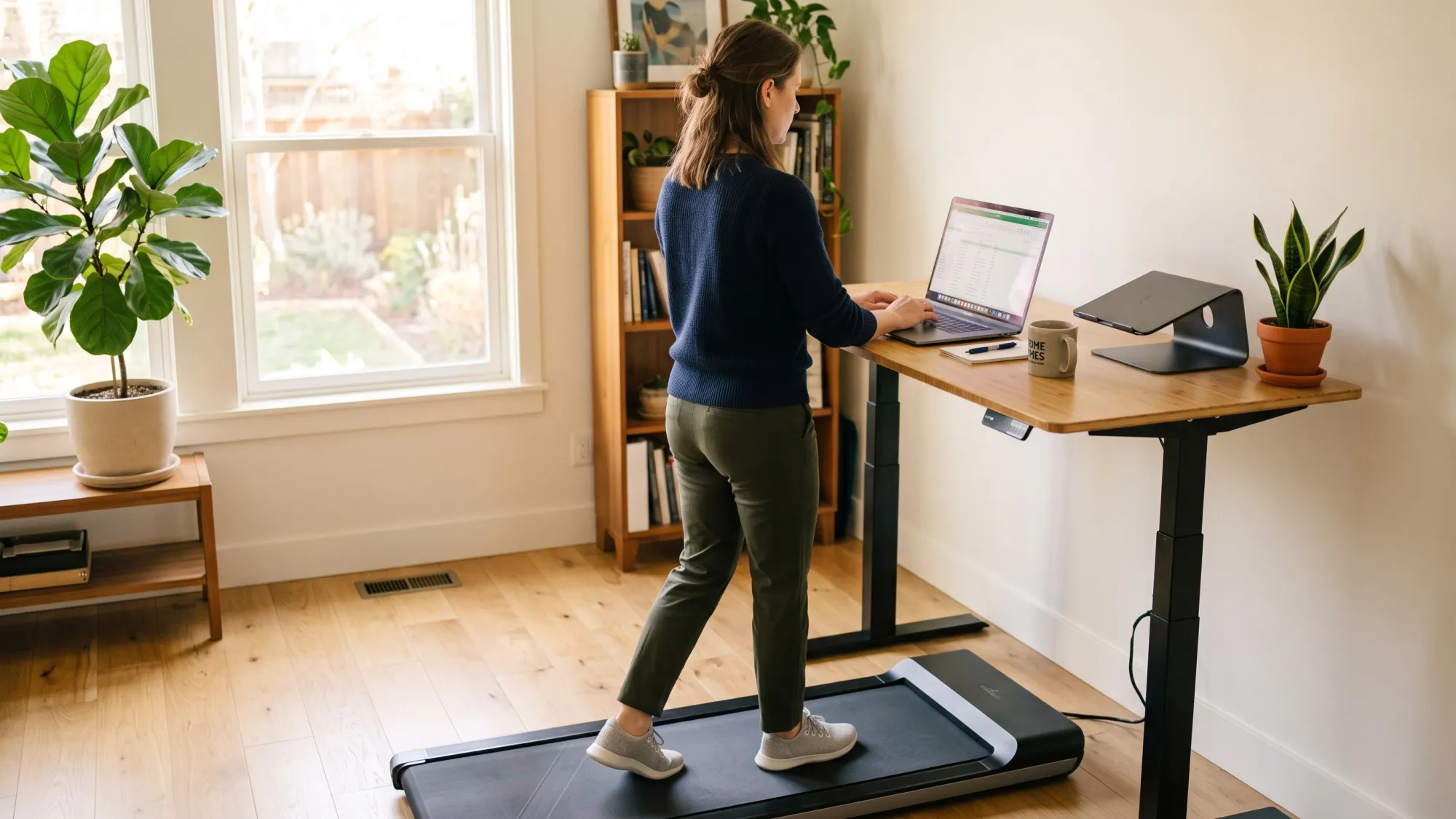
Despite those limits, walking pads shine in specific situations.
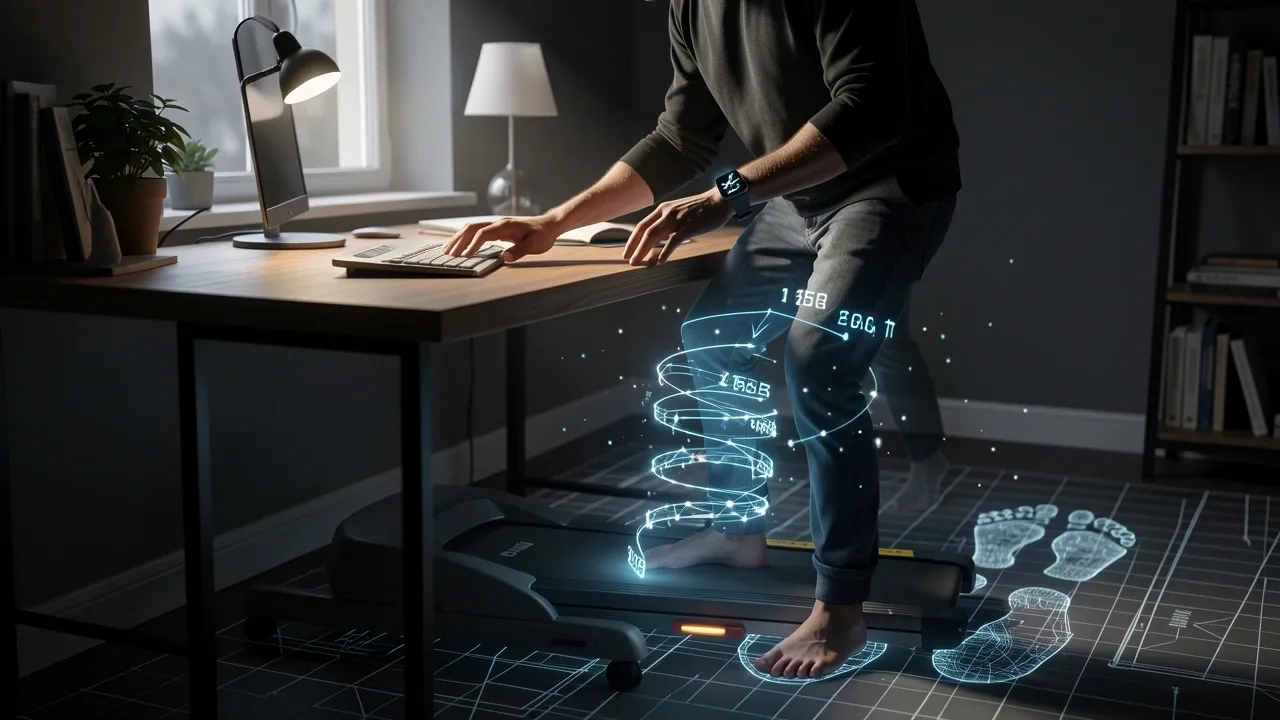
If your main goal is to walk more during your day and you have a standing desk or work-from-home setup, a walking pad removes every excuse not to move.
Think about the friction of using a treadmill. You have to change clothes, go to a different room, set it up, and dedicate time to it. A walking pad sits under your desk. You step on it and go.
That low barrier to use is what makes it effective for habit building.
Studies show that people who use under-desk treadmills accumulate 30 to 60 more minutes of walking per day without even noticing.
The Upgrade Path Nobody Talks About
Here is something most reviews skip: you do not have to choose one forever. Many people start with a walking pad because it is cheap and small.
Then, after six months, they realize they want more intensity. At that point, they can buy a full treadmill without redundancy. The walking pad becomes the under-desk unit.
The treadmill becomes the dedicated workout machine. This is a smarter approach than buying an expensive treadmill you might not use.
Hidden Costs You Should Budget For
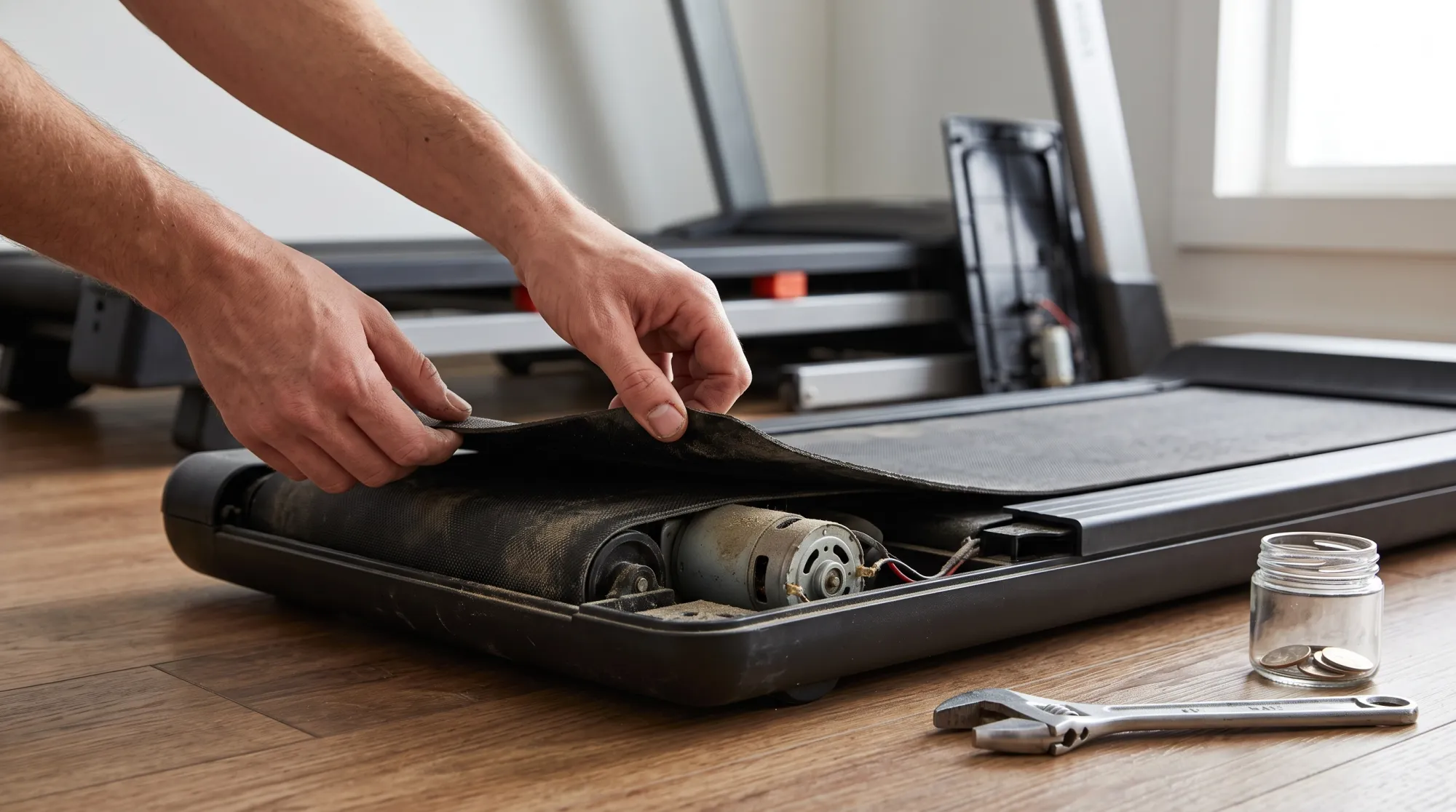
Both machines have costs that go beyond the sticker price. Here is what you should plan for.
Walking Pad Hidden Costs
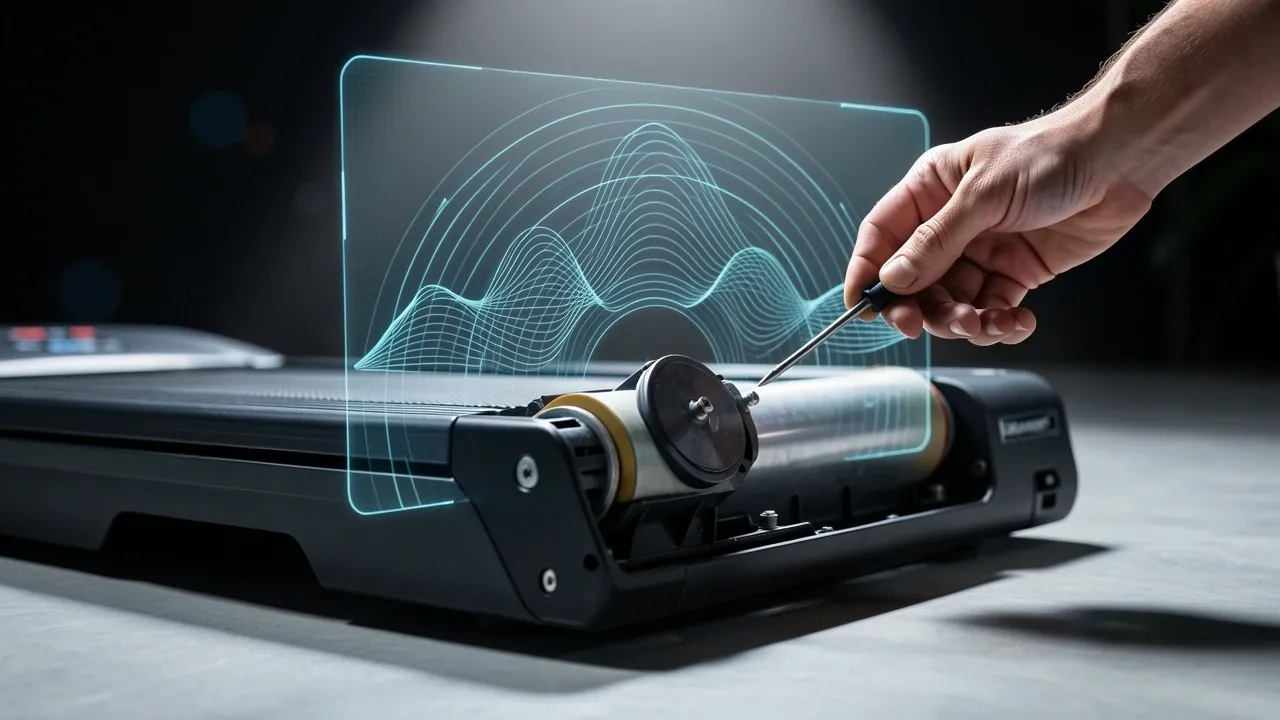
- Wear and tear: Walking pads use smaller motors and lighter belts. Expect replacement every 18 to 24 months with heavy use.
- Limited warranty: Most walking pad warranties cover only 90 days to one year. After that, repairs can cost more than the machine.
- No resale value: Used walking pads sell for very little. You might get 20 percent of what you paid.
- Balance bar not included: If you need a handrail for stability, you have to buy it separately or use a standing desk frame.
Treadmill Hidden Costs
- Floor damage: Treadmills are heavy. Without a mat, they can dent floors or leave scuff marks.
- Noise complaints: Running on a treadmill creates rhythmic thumping. If you live in an apartment, neighbors will hear it.
- Maintenance: Belts need lubrication. Decks wear out. Motors can fail. Expect to spend $100 to $200 per year on upkeep for a budget treadmill.
- Delivery and setup: A treadmill weighs 200 to 300 pounds. Delivery fees and assembly costs are often not included in the advertised price.
Who Should Buy a Walking Pad Right Now
You are a good candidate for a walking pad if:
- You have a standing desk or work from home and want to walk during calls or focused work.
- You live in a small apartment where a full treadmill will not fit.
- You are just starting and want the lowest possible barrier to entry.
- Your goal is step accumulation, not speed or heart rate training.
Who Should Wait on a Treadmill
You should buy a treadmill (or a walking pad with a longer deck and stronger motor) if:
- You plan to jog or run at any point.
- You want incline training for your legs and glutes.
- You weigh more than 220 pounds (most walking pads max out at 220 to 250 lbs).
- You want a machine that will last more than two years.
The Simple Math: Cost Per Year
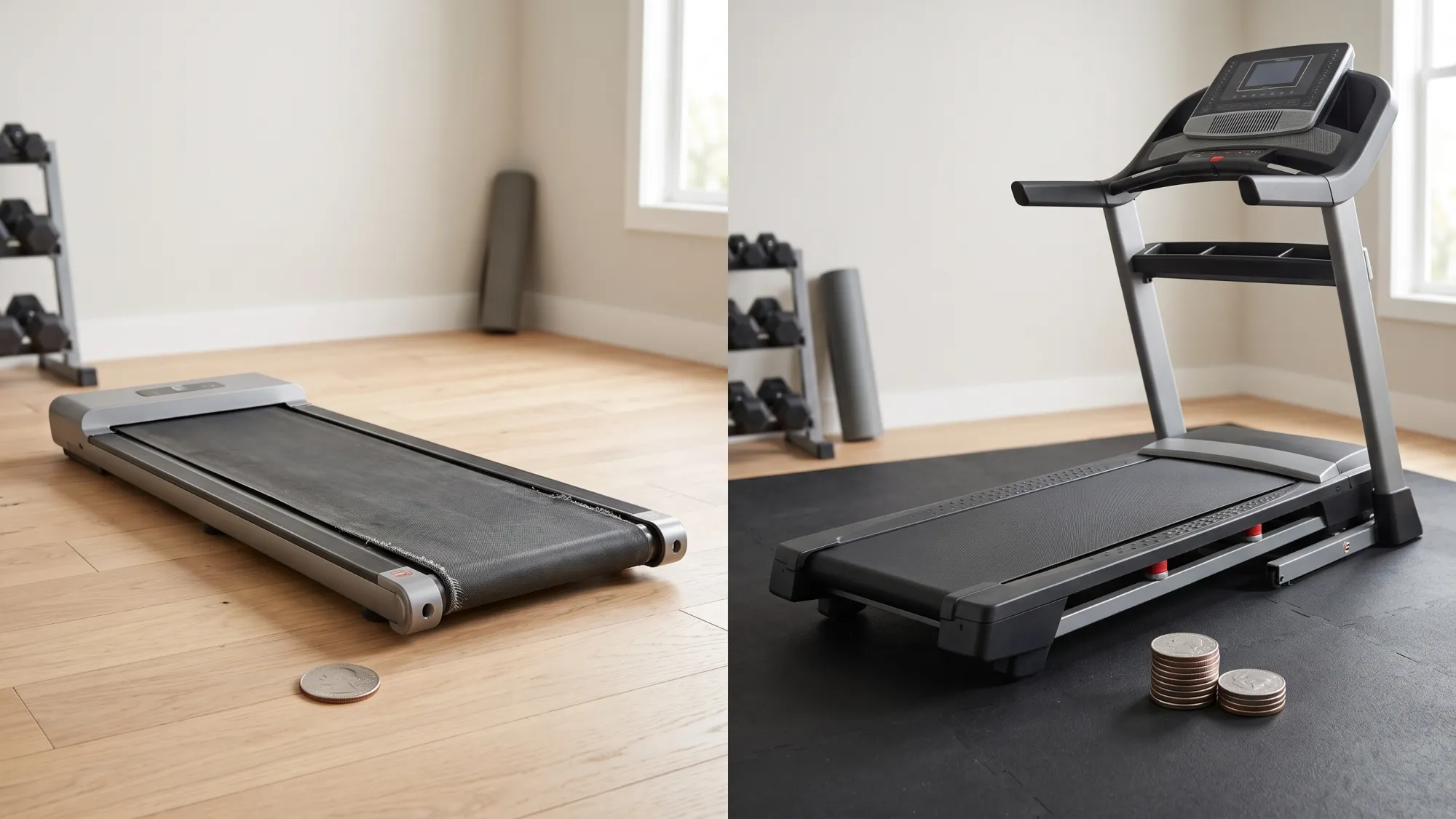
A decent walking pad costs about $400 and lasts roughly 18 months with daily use. That works out to about $267 per year. A good treadmill costs around $1,200 and lasts five to seven years.
That is about $200 per year. The treadmill costs less over time. Plus, you get more features and longer warranty.
If you plan to walk every day for more than a year, the treadmill is actually cheaper in the long run.
Frequently Asked Questions
Can I lose weight with just a walking pad?
Yes, if you walk enough. Weight loss comes from calorie deficit. Walking at 2 to 3 miles per hour for two hours per day can burn 400 to 600 calories.
That is enough to create a deficit if you also control food intake. The problem is that your body adapts quickly to steady-state walking. Without incline or speed variation, your metabolism downshifts.
Most people hit a plateau within three months. A treadmill with incline lets you keep progressing.
Is a walking pad safe for kids or teenagers?
No. Walking pads lack handrails and have a remote control. A child can lose balance or accidentally press the remote and change speeds.
The lack of a guard rail near the back also creates a pinch hazard. If you want a machine for family use, buy a proper treadmill with handrails and a safety key.
Can you jog on a walking pad?
Most walking pads cannot handle jogging. Their top speed is around 3 to 4 miles per hour. Even if the motor can go faster, the deck is too short for a full stride. You risk tripping or falling.
If you want to jog, you need a treadmill with a minimum 50-inch deck and a motor rated for continuous use at higher speeds.
Do walking pads work with standing desks?
Yes, most are designed to fit under a standard 30-inch desk. But check the height of your desk. Some walking pads are thicker than others.
You may need to raise your desk to accommodate the walking surface. Also, some models are noisier than others. If you are on video calls often, pick a model with a quiet motor and belt.
Which lasts longer: walking pad or treadmill?
Treadmills last longer. A quality treadmill runs for 10 to 15 years with regular maintenance. A walking pad typically lasts 2 to 3 years.
The motors are smaller, the belts thinner, and the frames less rigid. If you plan to use the machine daily, a walking pad will need replacement sooner.
Your Final Decision Framework
Here is how to decide today. Answer these three questions:
- Will you ever run? If yes, buy a treadmill. Period.
- Is your space under 6 square feet? If yes, buy a walking pad. A treadmill will not fit.
- Do you have a standing desk? If yes, buy a walking pad first. You can always add a treadmill later for running.
If you answered no to all three, then a walking pad is probably not for you. Buy a treadmill and use it properly. If you answered yes to even one, a walking pad might be the smarter first purchase.
The key is to be honest about what your daily routine actually looks like, not what you wish it looked like.
Final Thought
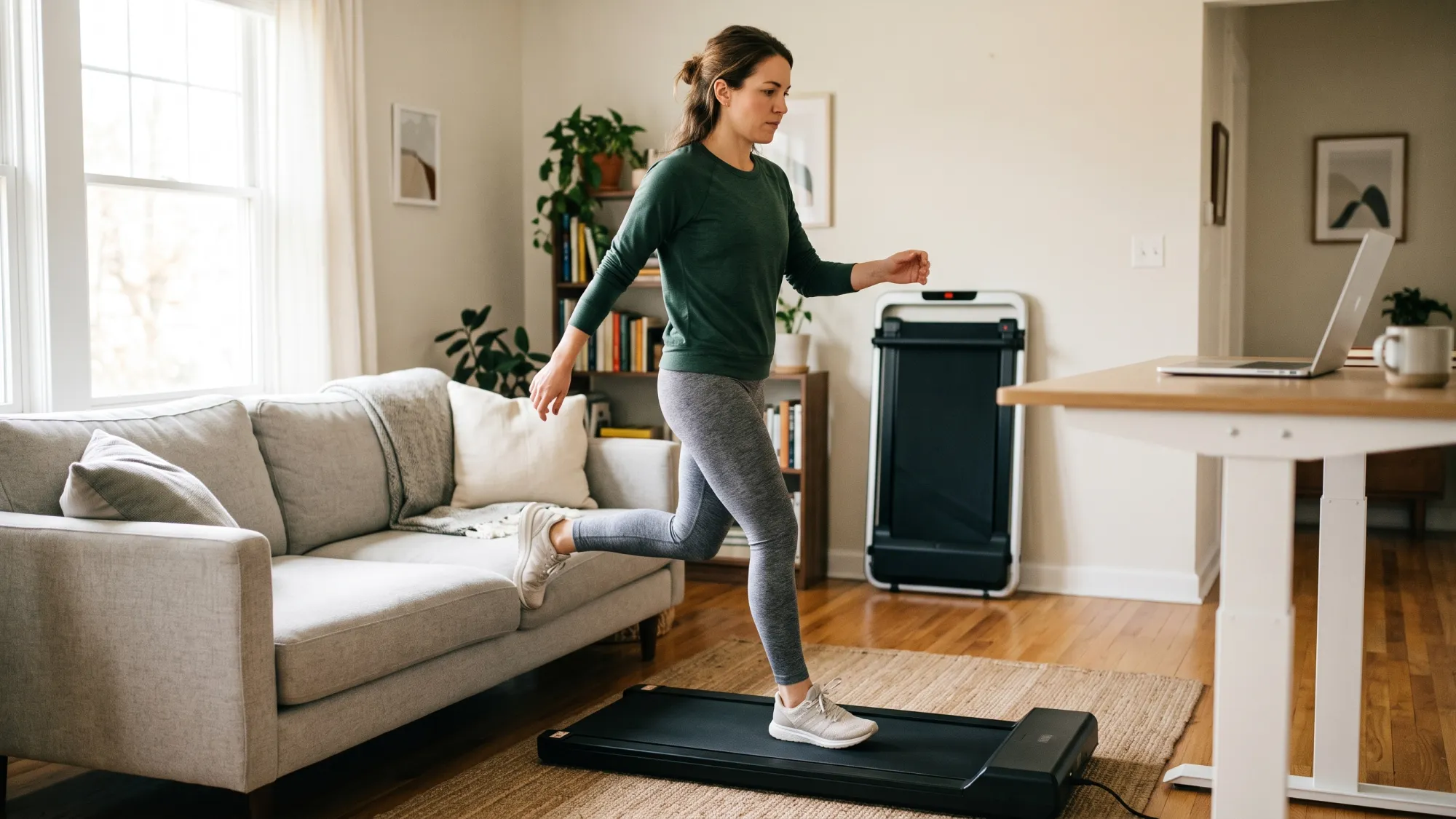
Walking pads are not as good as treadmills for running or serious training. But they are excellent for one thing: removing the excuse to sit still.
If that excuse is your biggest barrier to moving more, then a walking pad is the better choice for you. If you already exercise regularly and want to push harder, get the treadmill.
Do not buy either expecting it to change your habits. Pick the machine that matches the habit you already have.