Is a Walking Pad Good for You? Here’s What You Need to Know

You’ve seen them on TikTok. Your coworker swears by theirs. And now you’re wondering: is a walking pad actually good for you, or is it just another gadget that collects dust?
The honest answer is yes, a walking pad is good for you — but only if you use it the right way and go in with realistic expectations.
It won’t replace your gym session, and it won’t magically melt belly fat overnight. What it will do is help you replace hours of sitting with gentle, low-impact movement.
That alone is a game‑changer for most desk workers.
I bought one two years ago and have been using it daily while writing and taking calls. Here’s everything I’ve learned — the good, the bad, and the stuff the glossy ads leave out.
What a Walking Pad Actually Does
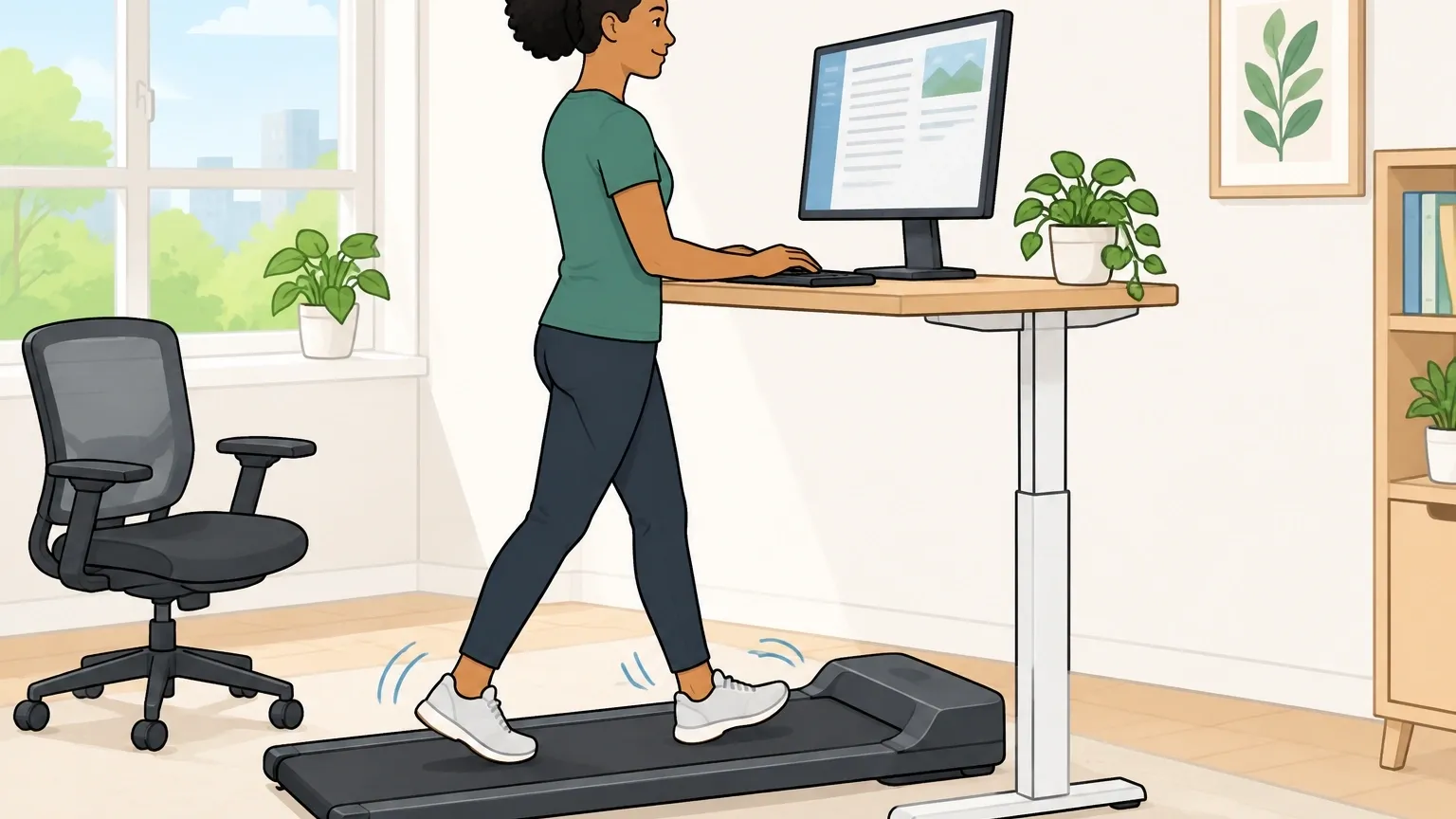
A walking pad is a stripped-down treadmill. No handlebars, no screen, no incline. It’s about the size of a large suitcase and slides under your desk.
You step on, set your speed (usually 0.5 to 4 or 5 mph), and walk while you work.
The main purpose is to increase your daily step count without taking time away from your job.
Instead of sitting for eight hours straight, you can walk for one or two hours spread across the day. That extra movement adds up.
The Real Pros and Cons (From Someone Who Uses One Daily)
What Works Well
- Calorie burn without effort: Walking at 2 mph for one hour burns about 100–200 calories, depending on your weight. Do that every workday and you’re looking at an extra 500–1,000 calories burned per week — roughly the deficit needed to lose a pound every 3–4 weeks.
- Breaks up sitting time: Prolonged sitting stiffens your hips, weakens your glutes, and messes with circulation. Even 15 minutes of walking every hour helps keep blood flowing and muscles active.
- Quiet enough for calls: Most pads are surprisingly silent. I take client calls while walking at 2 mph and nobody notices.
- Easy to store: When I’m done, I prop it against the wall or slide it under the sofa.
Where It Falls Short
- Not a workout replacement: At 2–3 mph, your heart rate barely rises. You won’t build cardio endurance or strength here. Think of it as “movement insurance,” not a workout.
- Lack of incline: Most walking pads have no incline option. You can’t really challenge your muscles or increase calorie burn beyond a stroll.
- Balance and safety risks: If you have poor balance or neuropathy, stepping onto a moving belt without rails can feel wobbly. I’ve tripped once — luckily caught myself on the desk edge.
- Requires a standing desk: You can walk with a fixed-height desk, but your elbows will be at a weird angle and your neck will strain. An adjustable standing desk is strongly recommended.
Is a Walking Pad Good for Your Knees and Back?
This is the question I hear most often. Here’s the truth based on my experience and research.
Knees
Walking on a flat, cushioned belt is low‑impact — much gentler than jogging or even walking on concrete. For most people, it’s safe and may even help lubricate knee joints.
But if you already have patellofemoral pain syndrome (runner’s knee) or meniscus issues, too much walking can aggravate it.
I suggest starting with 15 minutes at a slow pace, then checking how your knees feel the next day. Also, keep your stride short — long strides on a narrow belt can twist the knee.
Lower Back
Walking pads can help or hurt your back, depending on your posture.
If you lean forward, hunch your shoulders, and keep your head down to read your screen, you’ll strain your lumbar spine.
The fix is simple: raise your monitor or laptop so the top third of the screen is at eye level. Keep your core lightly engaged and avoid locking your elbows.
Almost everyone who complains of back pain while walking is either slouching or walking too fast for their desk setup.
Feet and Ankles
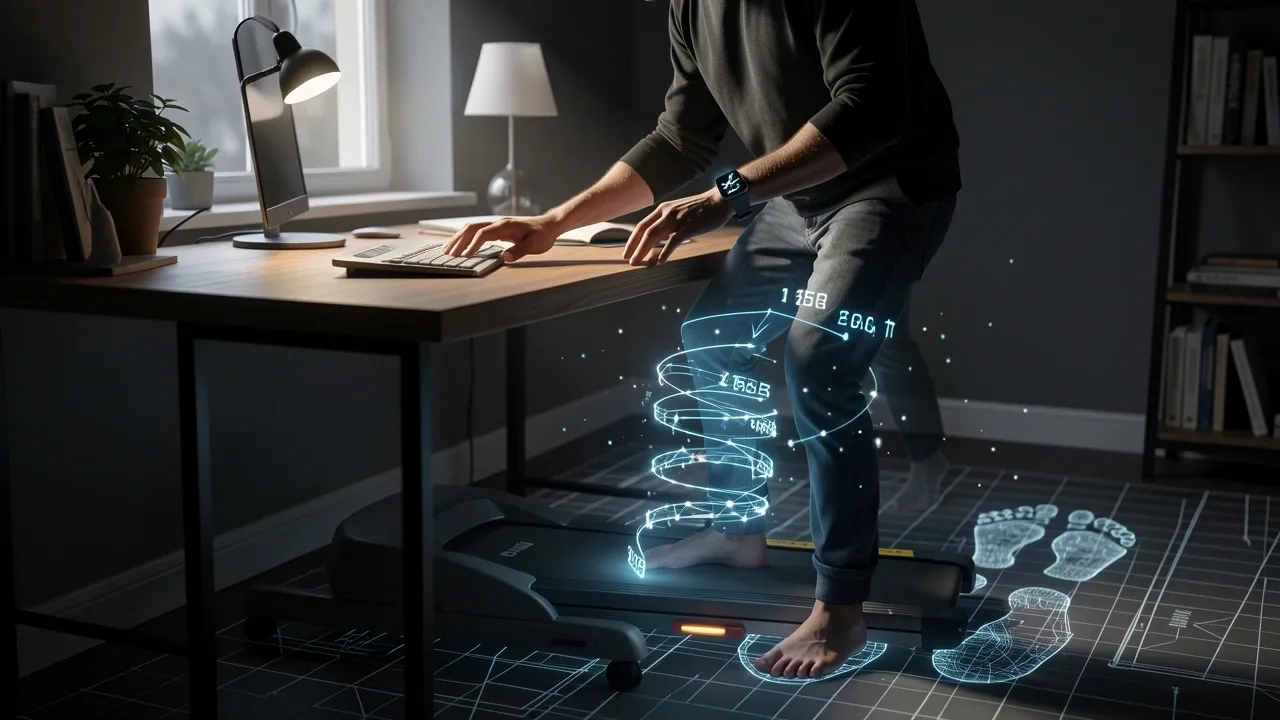
Barefoot walking on a walking pad is trendy, but I don’t recommend it for beginners. Your foot muscles need time to adapt.
I wear minimal socks or zero‑drop shoes with a thin sole — that gives me a natural feel without the risk of plantar fasciitis.
If you have flat feet or high arches, consult a podiatrist before going barefoot.
Can You Lose Weight With a Walking Pad?
Let’s be real about the numbers. Weight loss comes down to calorie deficit.
A walking pad adds to your non‑exercise activity thermogenesis (NEAT) — the calories you burn from everyday movement. Here’s the math:
- One hour at 2.5 mph burns roughly 150–250 calories for a person weighing 155 lbs.
- If you walk one hour daily, that’s about 1,200–1,700 extra calories per week.
- A pound of fat is ~3,500 calories. So you’d lose about 0.5 to 1 pound every 2–3 weeks from walking alone — assuming your diet stays the same.
That’s not dramatic, but it’s real. Combine it with a modest calorie cut (say, 200 fewer calories per day) and you’ll see a pound lost every 1.5 weeks.
I’ve personally lost 6 pounds over four months just by adding 45 minutes of desk walking each day, no other changes.
The key is consistency. Walking pads make it easy to be consistent because you don’t have to change clothes or leave the house.
Walking Pad vs. Treadmill vs. Outdoor Walking
Which one is right for you? Here’s a quick comparison:
| Feature | Walking Pad | Regular Treadmill | Outdoor Walking |
|---|---|---|---|
| Price | $100–$400 | $500–$2,000+ | $0 |
| Space needed | Small, portable | Large, fixed | None |
| Incline | Usually none | Adjustable up to 15% | Hills available |
| Max speed | ~4–5 mph | ~10–15 mph | Your own legs |
| Work while walking | Yes (under desk) | Difficult | No |
| Joint impact | Low (cushioned belt) | Low to moderate | Higher (concrete/asphalt) |
Who should choose a walking pad: You work at a desk, sit most of the day, and want a low‑friction way to add steps without changing your routine.
Who should skip it: You already get 10,000+ steps daily, want intense cardio, or have serious balance issues.
Vibrating Walking Pads: Don’t Confuse Them
Some auto‑suggestions ask about “vibrating walking pads.” That’s a different product — a vibration platform (like a Power Plate).
Those are whole‑body vibration machines that make you stand still while the platform shakes. They’re not for walking.
If you see a “vibrating walking pad,” it’s usually a combination device that oscillates as you walk. I haven’t tested one, but reviews suggest they’re gimmicky.
Stick with a standard walking pad unless you have a specific reason for vibration (e.g., physical therapy).
Who Should Avoid a Walking Pad?
- People with severe arthritis or recent joint surgery — consult your doctor first.
- Anyone with dizziness or balance disorders — the lack of handrails increases fall risk.
- If you’re prone to tripping or have peripheral neuropathy — walking on a moving surface without support can be dangerous.
Frequently Asked Questions
Can I use a walking pad on thick carpet?
Yes, but the belt may overheat and its motor may strain. Place a hardboard plywood or a dedicated treadmill mat underneath to protect both the carpet and the machine.
Do I absolutely need a standing desk?
Not absolutely, but it’s highly recommended. A fixed‑height desk forces you to lean forward or type with raised elbows, which leads to shoulder and neck pain.
An adjustable desk lets you set the perfect height for walking and lower it when you sit.
Is a walking pad loud?
Most are quiet — around 40–50 dB, which is quieter than a normal conversation. Some budget models may hum. Check decibel ratings if you work in an open office.
How do I maintain a walking pad?
Vacuum underneath every few weeks to keep dust out of the motor. Lubricate the belt every 3 months with a silicone lubricant (check your manual). Also, tighten the belt if it starts slipping.
Can a walking pad help with circulation in my legs?
Yes.
Gentle walking improves venous return and can reduce swelling and the feeling of “heavy legs.” If you have chronic venous insufficiency or varicose veins, consult your doctor — but for most people it helps more than sitting.
Walking pads are not magic. But they are one of the simplest ways to turn a sedentary desk job into a moderately active one.
If you’re willing to start slow, fix your posture, and stick with it, you’ll feel the difference in your energy, your waistline, and your back.
Give it three weeks of daily use, and then decide if it’s good for you. I think you’ll like the answer.