Can I Use Walking Pad After Eating?

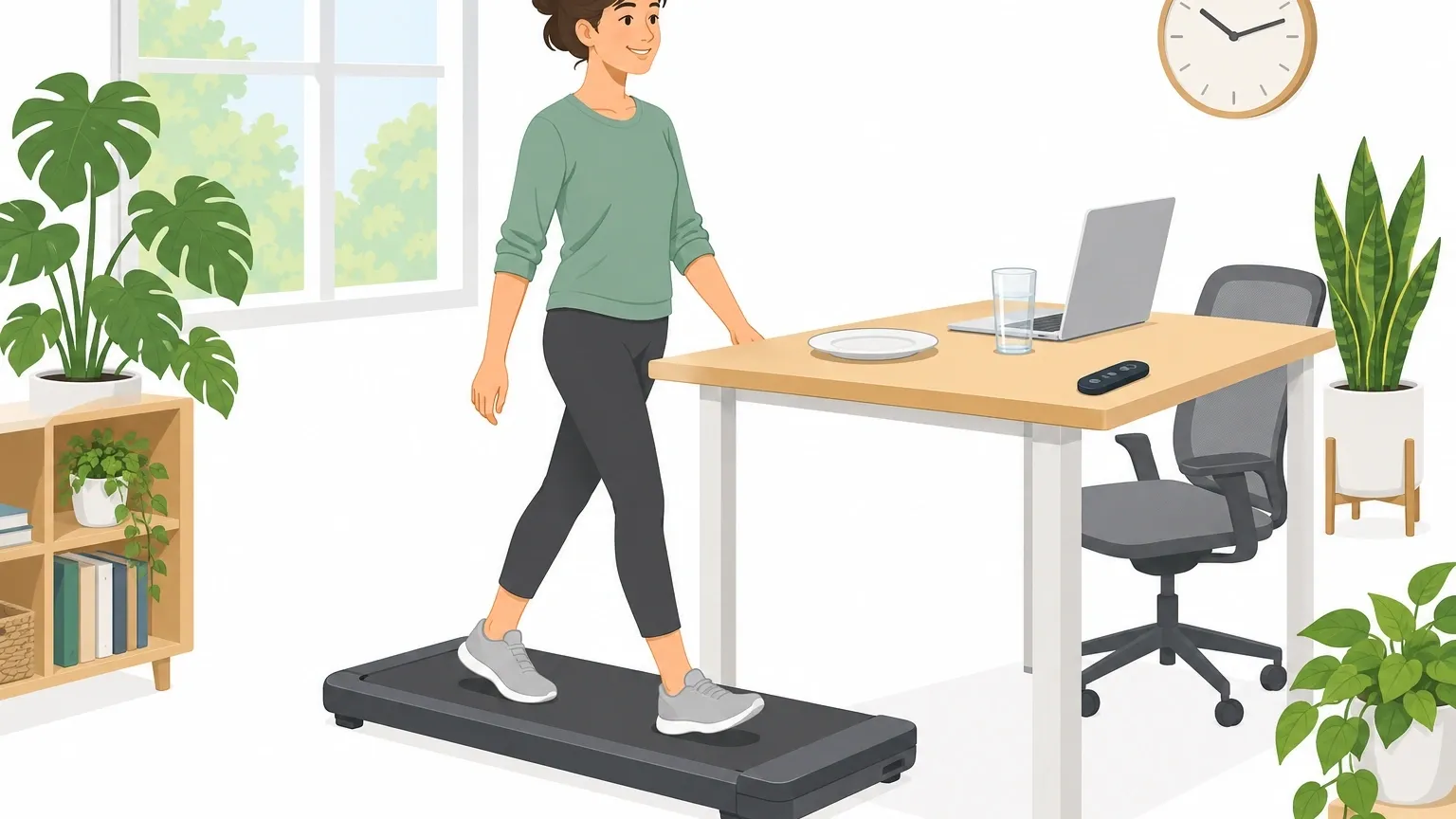
You just finished a meal and feel like moving. Maybe you have a walking pad under your desk and want to squeeze in some steps while you work.
But a question pops up: is it safe to walk right after eating? Will it upset your stomach or mess with digestion?
The short answer is yes – you can use a walking pad after eating, and for most people it helps more than it hurts.
The key is timing, speed, and knowing how your body reacts on a walking pad compared to walking outside or on a treadmill.
I’ve used a walking pad daily for over two years. I’ve tested it after light breakfasts, heavy dinners, and everything in between.
Here is what I’ve learned, backed by science and personal trial and error.
Yes, You Can Use a Walking Pad After Eating – But With These Key Guidelines
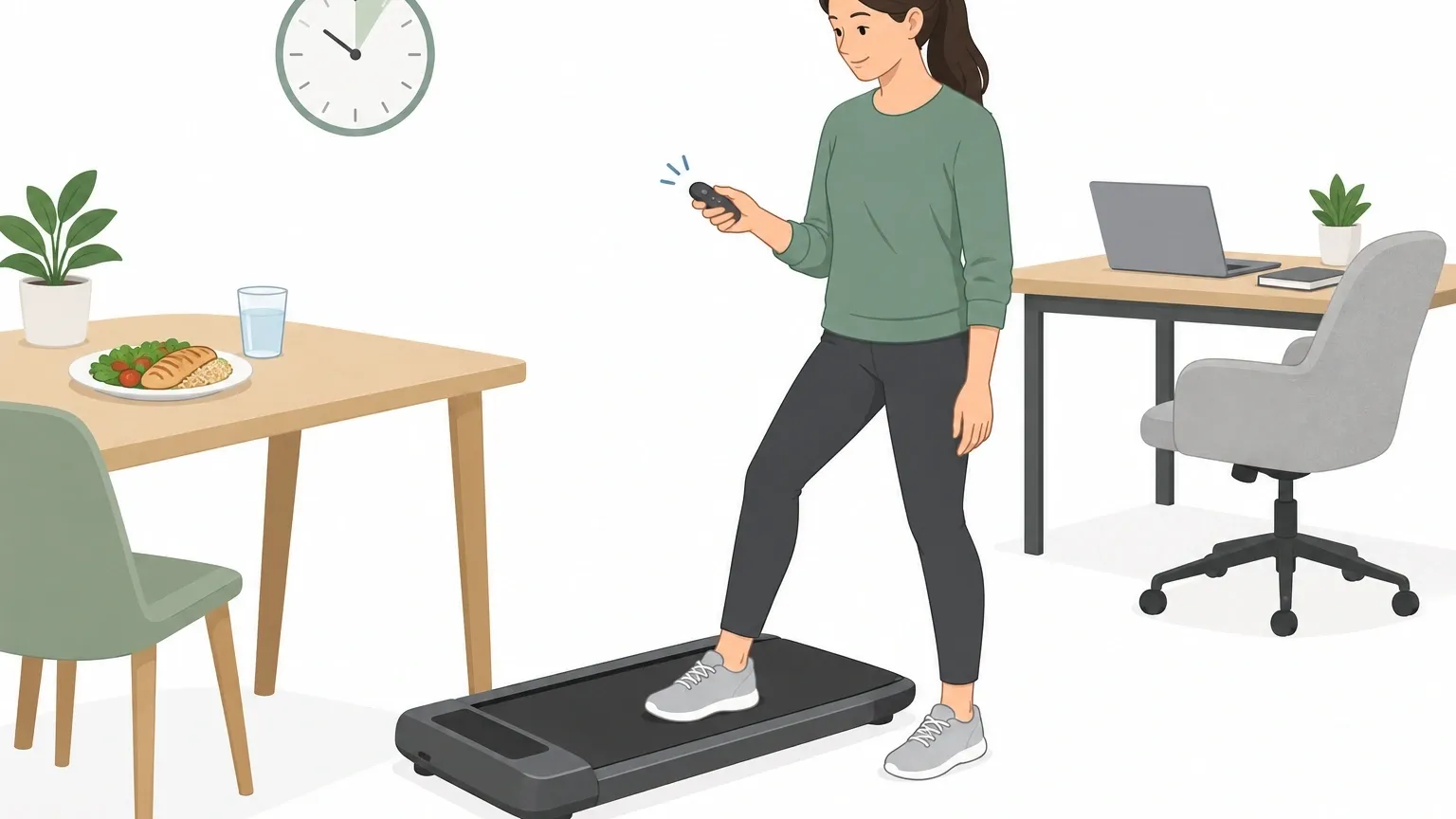
Post-meal walking on a walking pad is safe and beneficial for most people. The movement helps your body digest food faster, lowers blood sugar spikes, and can even reduce bloating.
But a walking pad is different from a regular treadmill or a walk outside. It has a shorter deck, no handrails, and you often use it while standing at a desk. That changes the rules a little.
Here are the core rules to follow:
- Wait 10–15 minutes after a normal meal before stepping on the pad.
- Keep speed under 2 mph (3.2 km/h) – a slow, comfortable pace is best.
- Walk for 10–20 minutes – no need to go longer.
- Stay hydrated – have water nearby if you feel thirsty.
- Listen to your body – stop if you feel nauseous, dizzy, or get acid reflux.
If you follow these, you’ll get the benefits without the discomfort.
The walking pad is actually a great tool for post-meal walks because you don’t have to go outside, put on shoes, or deal with weather. You just step on and go.
How Long to Wait After Eating Before Using a Walking Pad
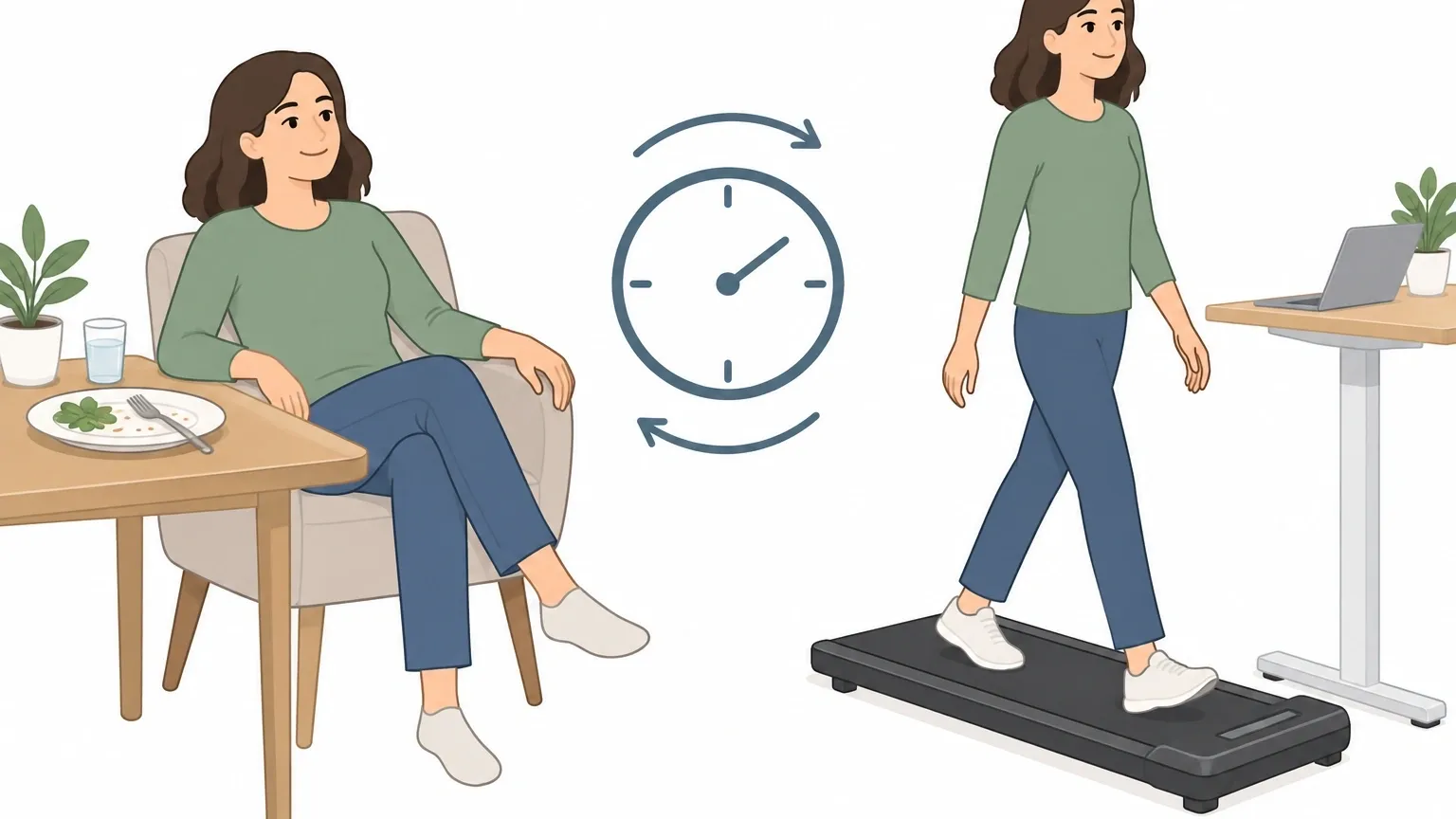
That’s the first thing everyone asks. The general recommendation is to wait 10 to 30 minutes after eating before you start walking. But it depends on what you ate and how you feel.
For small snacks or a light meal (like fruit, yogurt, or a salad): you can start walking after about 10 minutes.
Your stomach has already begun breaking down the food, and light movement helps that process along.
For a normal-sized meal (like a sandwich, bowl of pasta, or chicken with vegetables): wait 15–20 minutes. That gives digestion a head start without letting you get too sedentary.
For heavy meals (like a large dinner, fried food, or a holiday feast): wait at least 20–30 minutes. A full stomach needs more time to settle.
Walking too soon on a walking pad can cause discomfort because the confined space and steady motion don’t let you adjust your stride easily if you feel bloated.
I’ve found that after a heavy meal, a 20-minute wait plus a very slow walk (1 mph) works perfectly. After a small breakfast, I usually hop on within 10 minutes without any issues.
The Best Speed and Duration for Post-Meal Walks on a Walking Pad
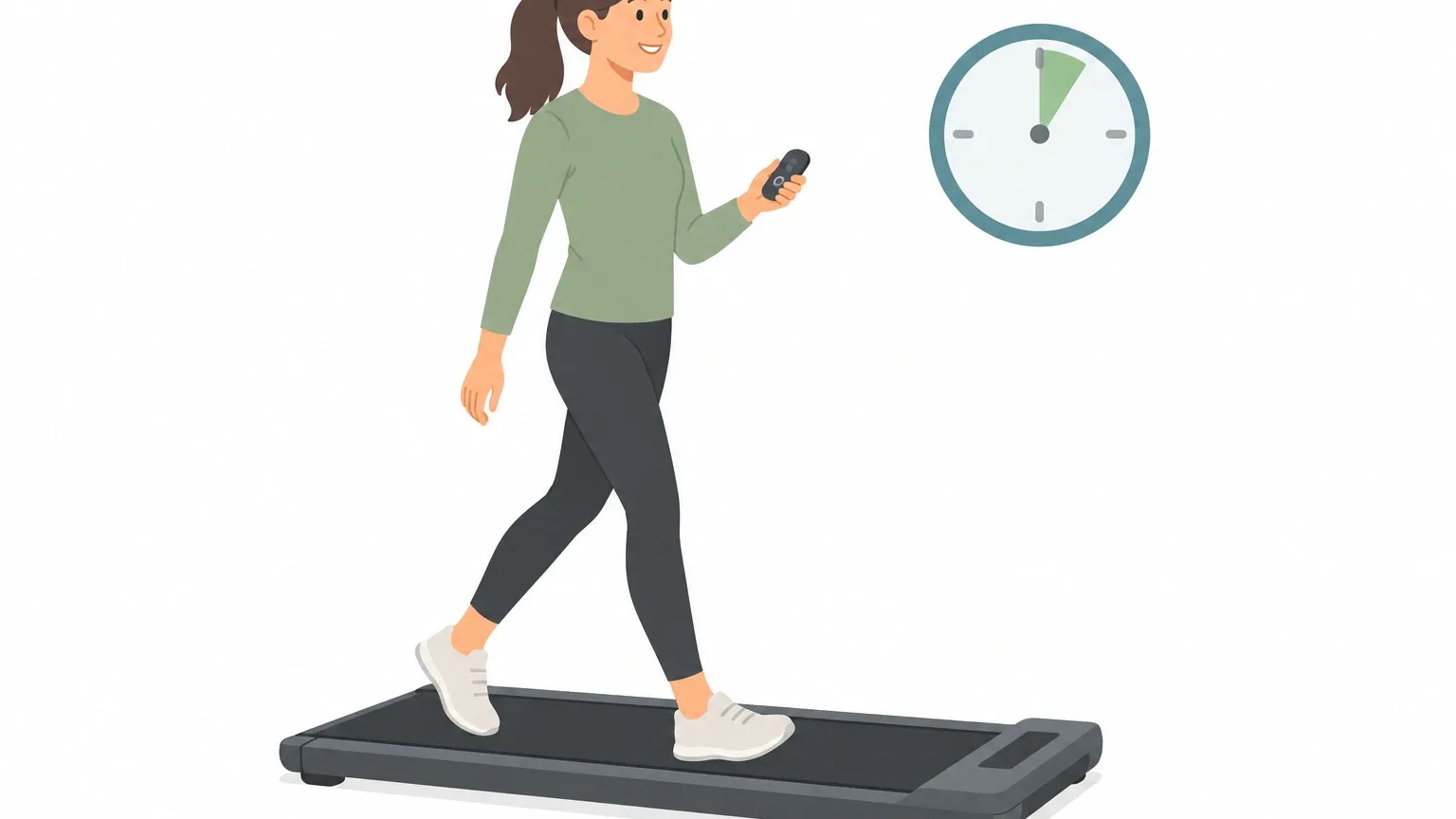
Speed matters a lot. After eating, your body is busy sending blood to your stomach and intestines to help digest food.
If you walk too fast, blood gets diverted to your legs, which can slow digestion and make you feel nauseous or crampy.
Ideal speed range: 1.5 to 2.5 mph (2.4 to 4 km/h). That’s a slow, easy pace. You should be able to talk normally and not feel out of breath.
If you’re using a walking pad while working at a standing desk, 1.5 to 2 mph is perfect – it keeps you moving without distracting you from your computer.
Ideal duration: 10 to 20 minutes. Research shows that a short walk after meals is effective at lowering blood sugar and improving digestion. You don’t need to do a 30-minute session.
In fact, longer walks might interfere with digestion for some people.
Most walking pads come with a remote control. Use it to gradually increase speed from a slow start (0.5 mph) up to your target pace over the first minute.
That gives your body time to adjust after eating.
Safety Tips for Using Your Walking Pad After Eating
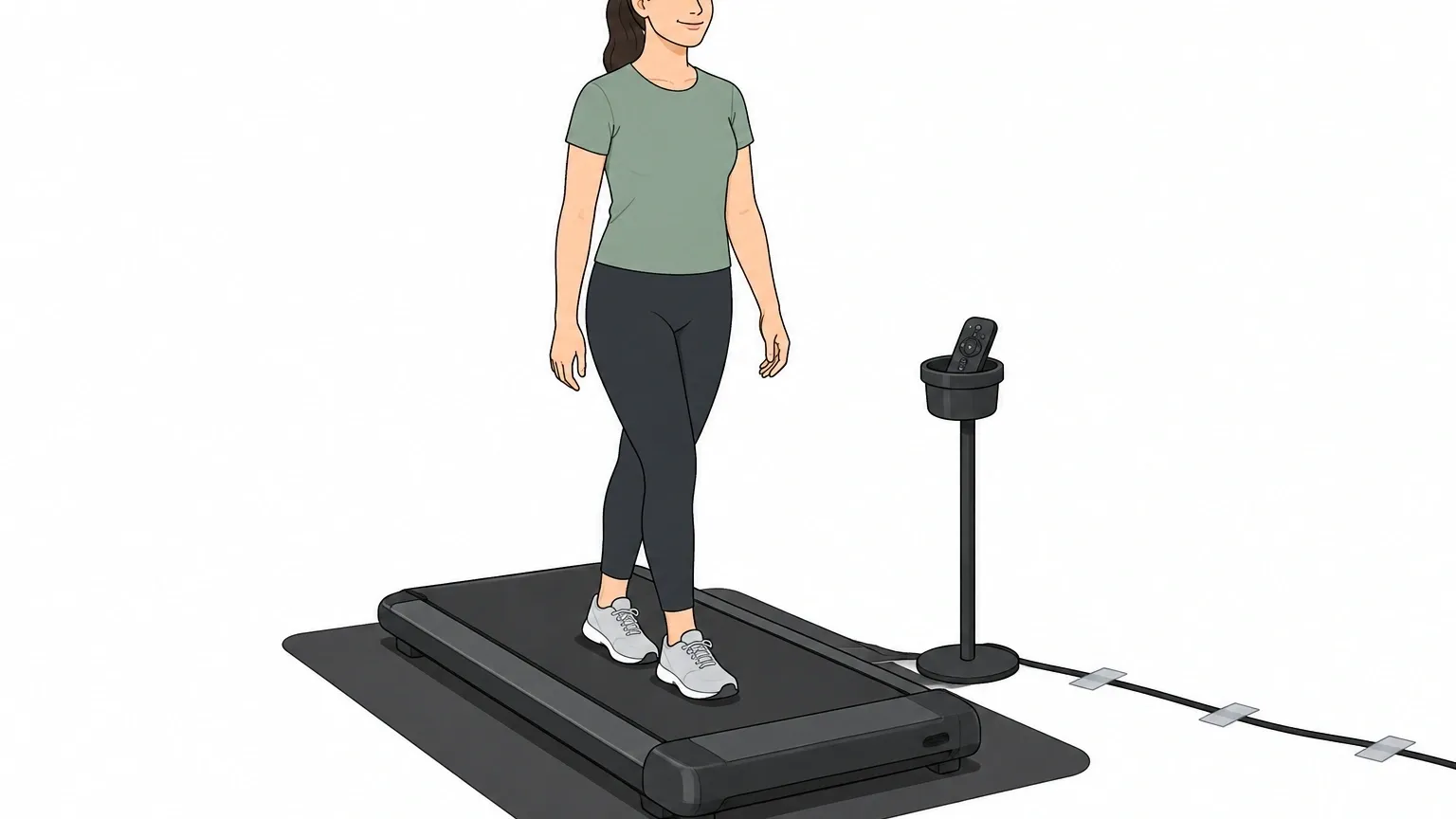
Walking pads have unique safety considerations, especially post-meal. Here’s what I’ve learned from using mine:
- Avoid inclines. If your walking pad has an incline setting, keep it flat. Any angle puts extra stress on your core and can cause discomfort on a full stomach.
- Maintain upright posture. Don’t lean forward on a desk or slouch. That compresses your stomach and can trigger acid reflux. Stand tall with your shoulders back.
- Stop immediately if you feel off. Nausea, dizziness, or abdominal pain are signals to stop. Unlike a treadmill, walking pads don’t have an emergency stop cord you can pull – you need to step off or press the stop button. Keep the remote close.
- Secure cords away from your path. Many walking pads are corded. Drowsiness after a heavy meal can make you clumsy. Tape the cord down or route it away from where you stand.
- Use an anti-fatigue mat. If your walking pad sits on a hard floor, standing on it after eating (especially if you’re also working) can make your legs tired faster. A mat provides cushioning and reduces vibration that might indirectly affect digestion.
Walking Pad vs. Outdoor Walking After Eating – What Changes?
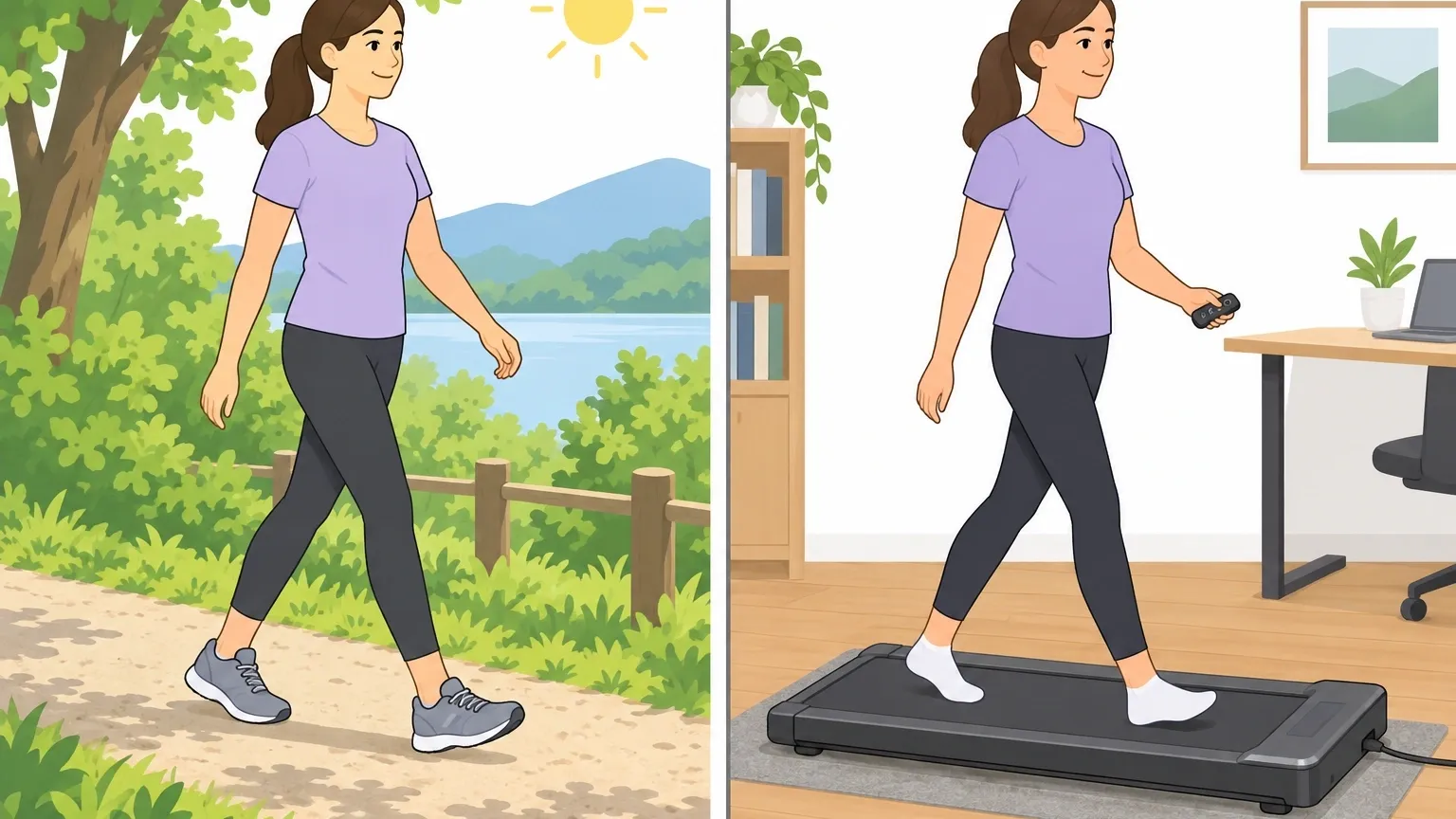
You might wonder if walking on a pad is as good as walking outside after a meal. The science is the same – any light walking helps. But there are real differences you should know.
| Factor | Walking Pad | Outdoor Walk |
|---|---|---|
| Cushioning | Softer surface – easier on joints, good if you feel full | Harder pavement – more impact, can feel jarring after eating |
| Environment | Controlled – no weather, no traffic, safe for seniors | Unpredictable – hot, cold, rain, uneven terrain |
| Stride length | Shorter deck – you take smaller, repetitive steps | Unlimited stride – feels more natural |
| Motor vibration | Some models vibrate – can bother digestion if sensitive | No vibration – pure movement |
| Convenience | Step on immediately – no need to dress or go out | Requires getting ready – easier to skip |
For post-meal walks, the walking pad wins on convenience. You can do it right after eating without a mental barrier.
The key is to take slightly longer steps than you naturally would on a short deck – that prevents stiffness and keeps your circulation even.
Outdoor walks give you fresh air and sunlight, which can boost your mood and digestion.
But if the weather is bad or you’re busy, a walking pad is a perfect backup that doesn’t compromise the health benefits.
Common Myths About Walking After Eating – And How Your Walking Pad Changes Things
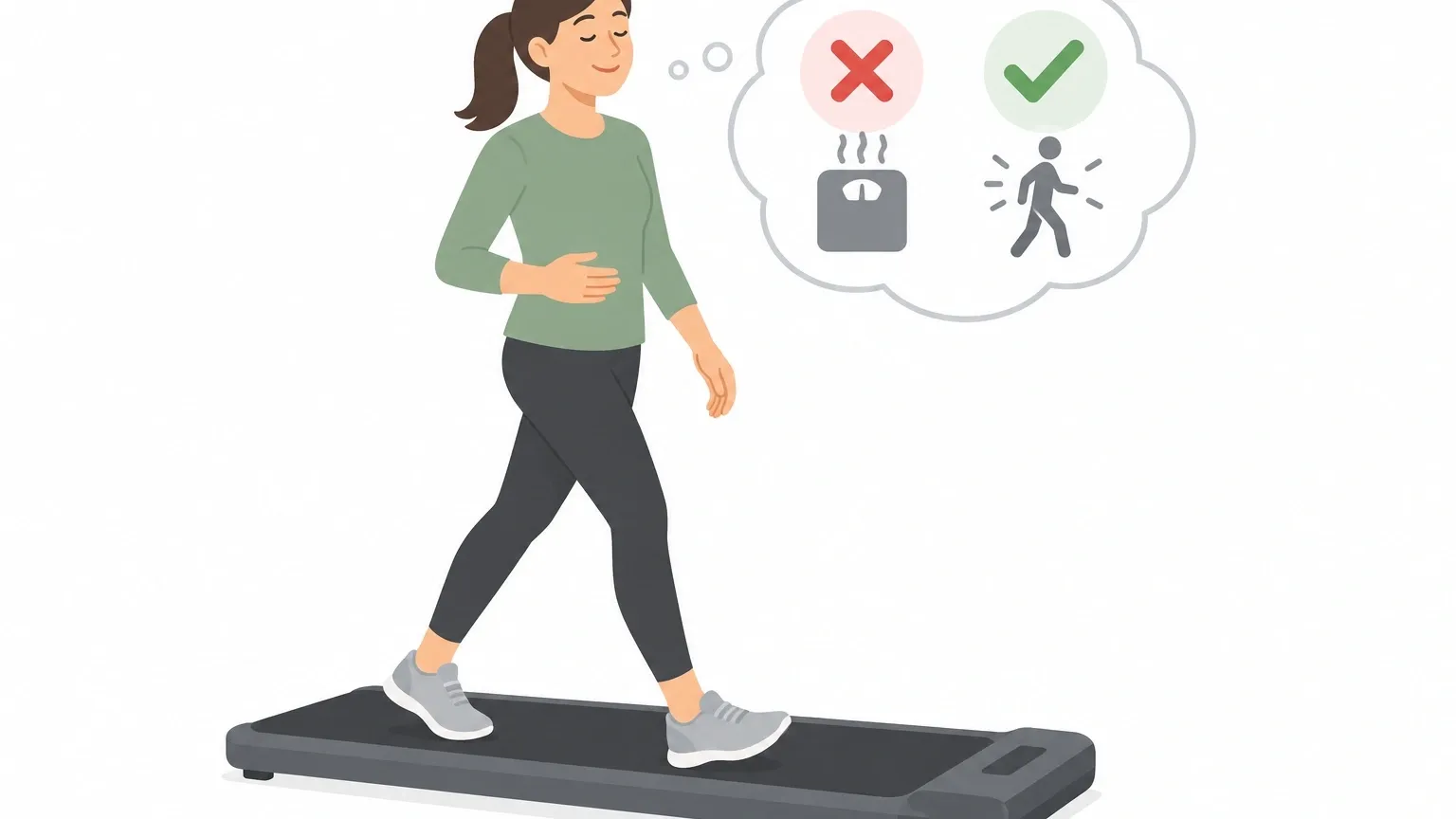
There are a few myths floating around about walking after meals. Let’s set them straight with walking-pad-specific info.
Myth 1: Walking after eating causes cramps or stomach pain.
That’s only true for vigorous exercise – jogging, running, or HIIT. A slow walk on a walking pad (under 2.5 mph) actually relieves bloating and gas.
The gentle motion helps move food through your digestive tract. I’ve had less bloating since I started using my pad after dinners.
Myth 2: You should never walk on a full stomach.
Not true. Light walking aids gastric emptying, meaning your stomach empties its contents into the small intestine faster. That can reduce heartburn and fullness.
On a walking pad, you control the intensity perfectly, which makes it safer than walking outside where you might unconsciously speed up.
Myth 3: Walking on a pad is less effective than walking outside.
Physiologically, the same muscles work, the same calories burn, and the same blood sugar benefit occurs.
If anything, a walking pad can be more effective because you stick with it consistently – no excuses about rain or darkness.
I’ve measured my blood sugar after using the pad post-lunch and after walking outside – results are nearly identical.
Frequently Asked Questions
Can I use my walking pad immediately after a large holiday meal?
Better to wait 30 to 40 minutes after a very large meal. Your stomach needs time to start digesting. Even then, walk at the slowest speed (1 mph) for just 10 minutes.
If you feel any discomfort, step off and try later.
Is it safe to use a walking pad after eating if I have acid reflux or GERD?
Yes, but keep your posture upright and avoid leaning forward. Walking aids digestion for many people with GERD because it helps move stomach acid downward.
Start with 10 minutes at a slow pace and stop if you get heartburn.
Should I walk faster or slower after eating to lower blood sugar?
Slower is better. Research shows that a low-to-moderate pace (around 2 mph) is most effective for reducing post-meal blood sugar spikes.
Fast walking can raise stress hormones that temporarily increase blood sugar. Stick with a comfortable, conversational pace.
Can I use a walking pad while working at a standing desk right after lunch?
Yes, but avoid multitasking that requires intense focus. Use it for passive tasks like reading, listening to a meeting, or organizing files.
Typing at full speed while walking after a meal can cause you to lean forward, which is bad for digestion and posture.
Does walking on a curved vs. flat walking pad make a difference post-meal?
Curved walking pads (manual, non-motorized) require more effort to keep the belt moving. That can feel like a little more work, so start very slow.
A flat motorized pad is easier to use after meals because you just set the speed and focus on walking.
How many minutes on a walking pad after dinner is ideal for weight loss?
Aim for 15 to 20 minutes daily after dinner. That’s enough to burn about 50–100 extra calories (depending on your weight and speed).
Combined with a healthy diet, that consistent habit adds up over weeks. Don’t try to do longer – 20 minutes is sustainable.
Is it better to walk before or after eating on a walking pad for blood sugar control?
Both help, but walking after eating is more effective for controlling the immediate blood sugar spike from the meal. A 10-minute post-meal walk can reduce the spike by 20–30%.
Walking before eating also helps by increasing insulin sensitivity, but the post-meal timing is more targeted.
Using a walking pad after eating is safe, effective, and one of the easiest habits you can build. The key is to start slow, wait a little, and listen to your body.
Over time, you’ll notice better digestion, steadier energy, and maybe even a few pounds lost – all from a simple post-meal walk at your desk.