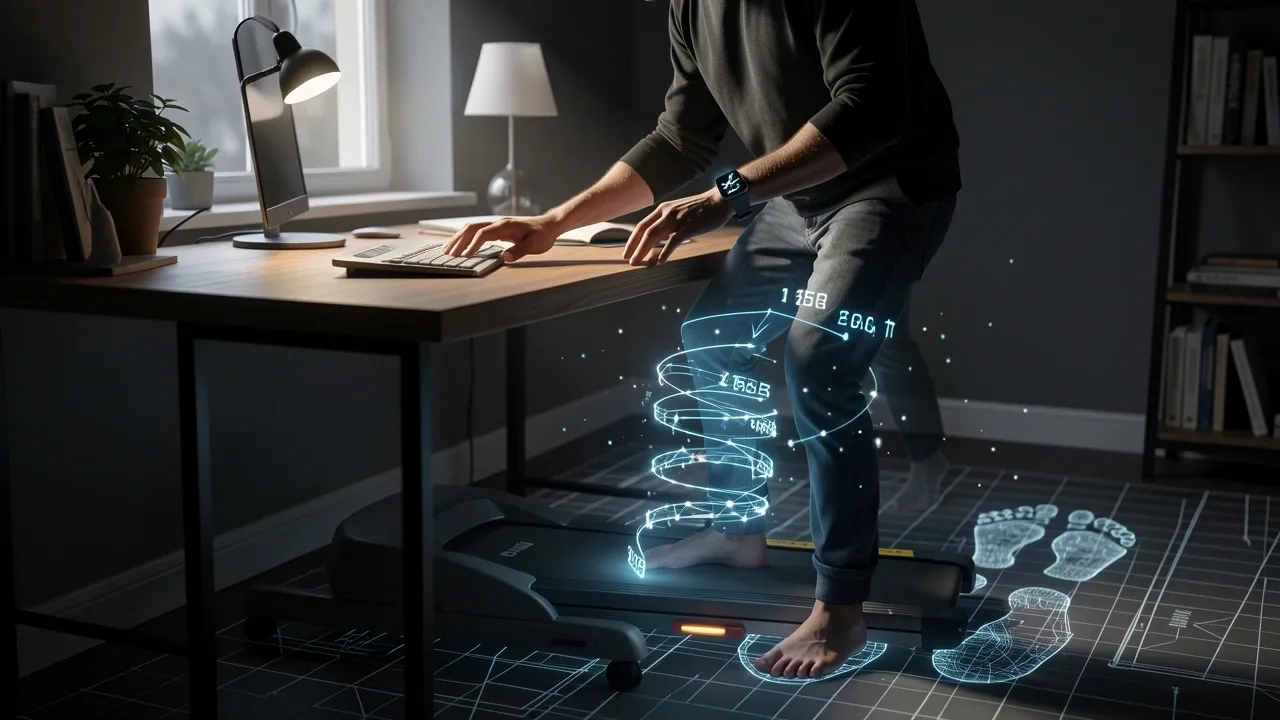
Walking Pads Can Be Effective for Weight Loss

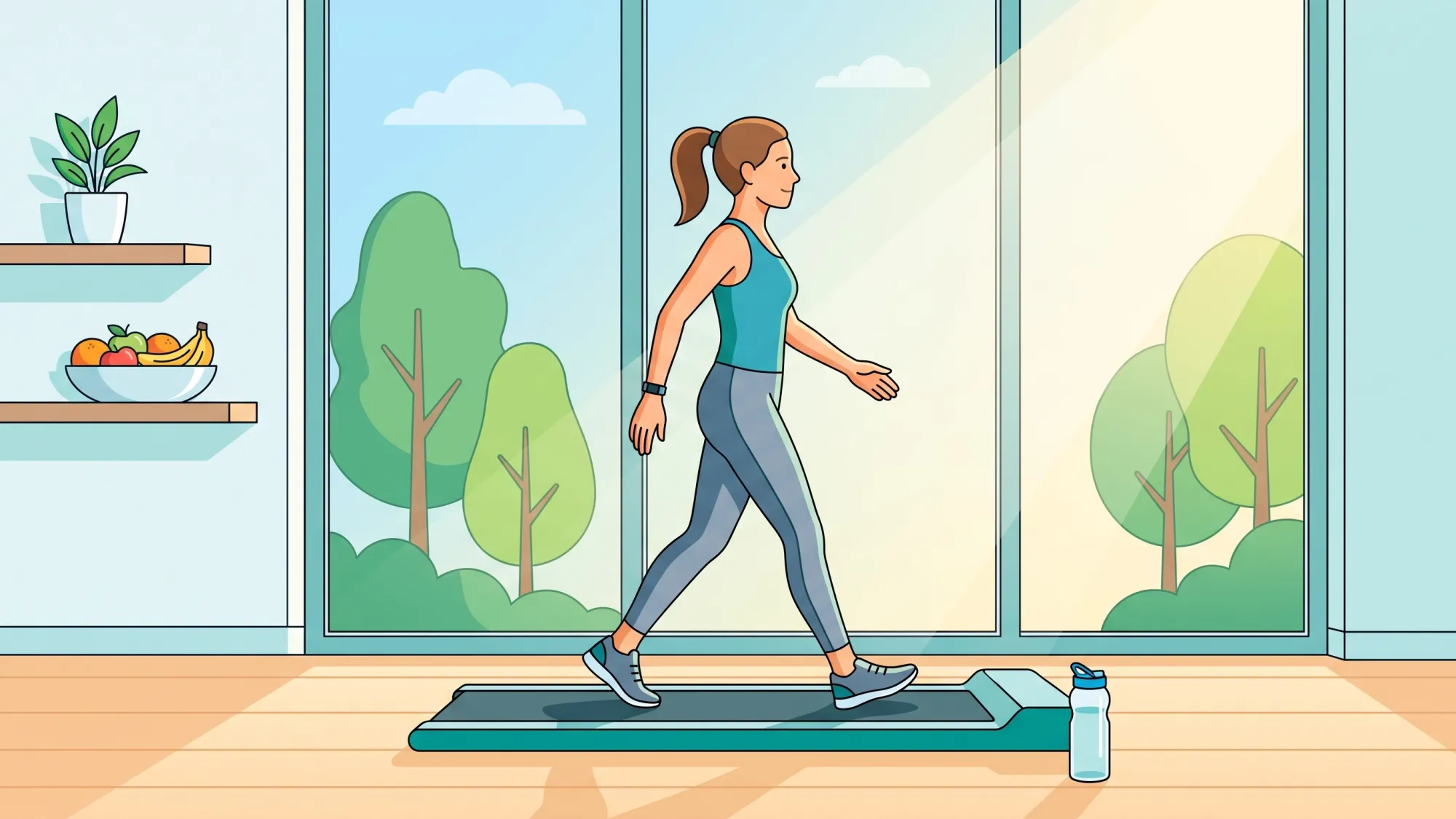
If you sit all day and wonder if a walking pad is worth it for dropping pounds, the short answer is yes – but only if you use it with a plan. A slow shuffle under your desk won't cut it.
But a structured walking program, done consistently, can create the calorie deficit you need.
I have used walking pads for years, both for work and dedicated workouts, and I have seen what works and what doesn't.
This article breaks down the numbers, the settings, and the real-world results so you can decide if a walking pad belongs in your weight-loss toolbox.
Walking Pads Can Support Weight Loss With the Right Strategy
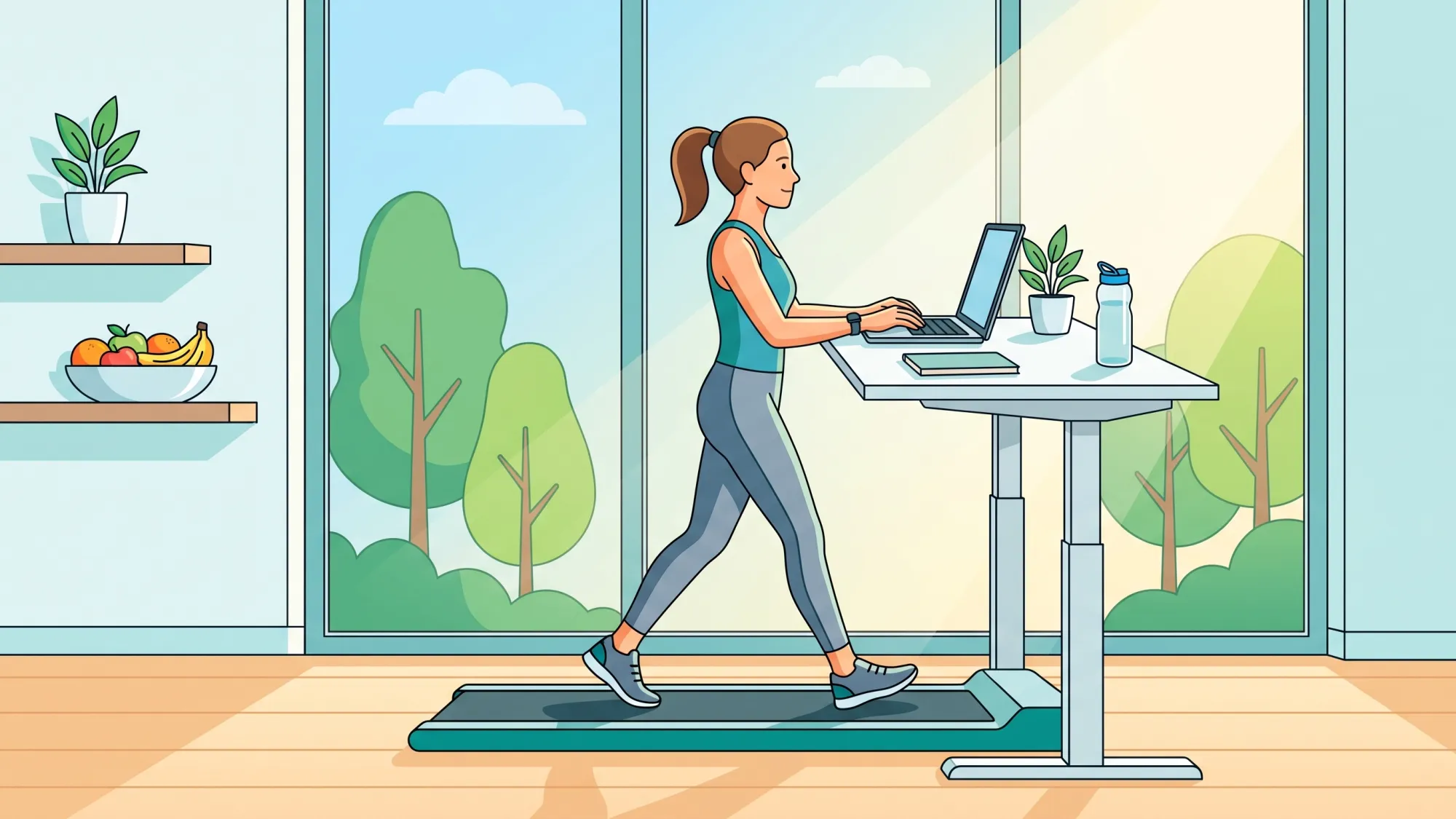
A walking pad is not a magic machine. It is a tool. When you pair it with a proper calorie deficit and consistent use, it absolutely helps with weight loss.
The key is understanding that "normal use" – meaning just standing and walking at 1 mph while you answer emails – does very little for fat loss.
But if you push the speed, use incline, and walk for at least 30 to 60 minutes most days, you can burn enough extra calories to see real changes on the scale.
So yes, a walking pad is effective for weight loss, but the effectiveness depends entirely on how you use it. Let me show you exactly what that looks like.
How Many Calories Does a Walking Pad Actually Burn?
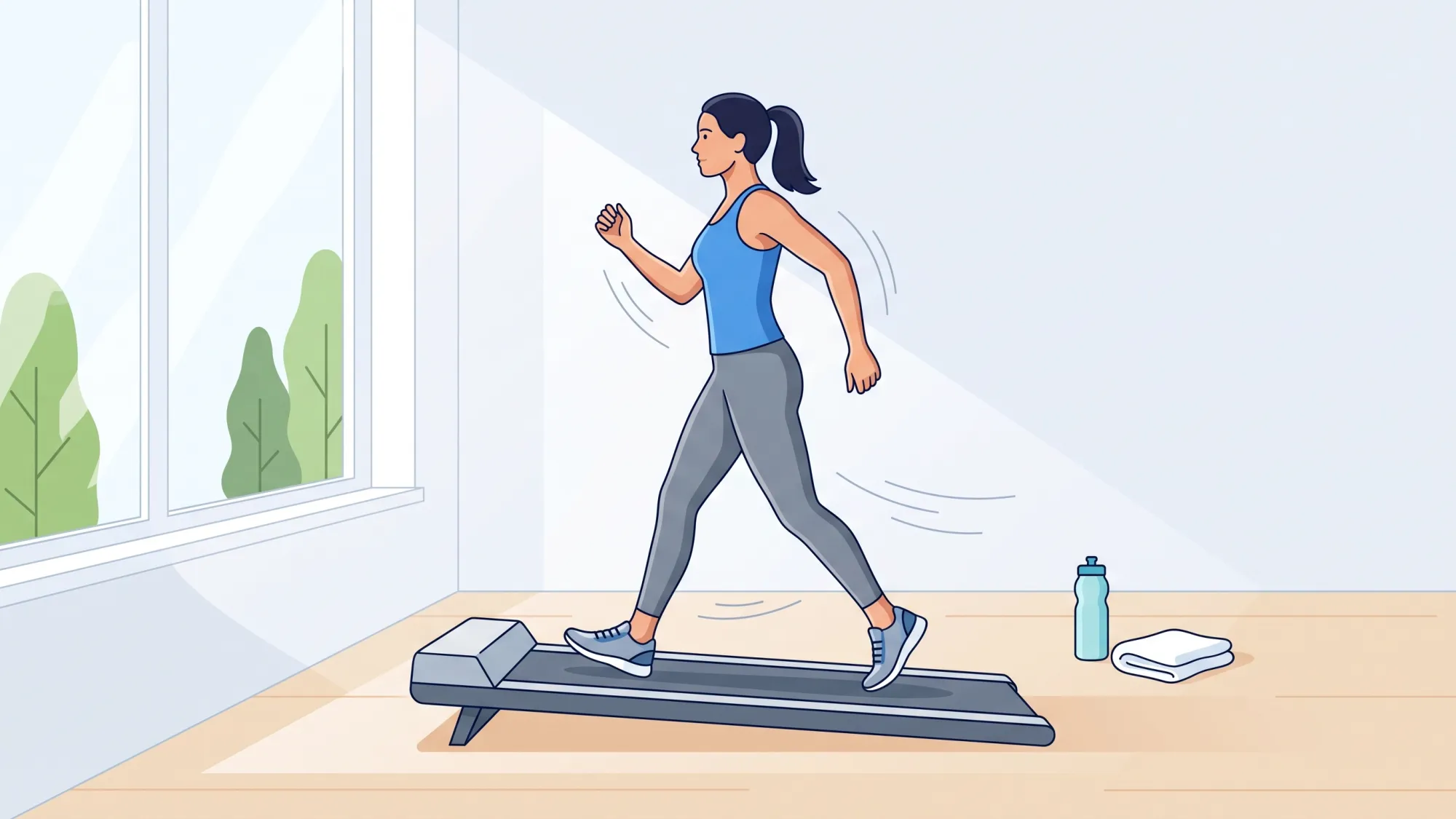
Most walking pad reviews skip the math. Here is the real data. The number of calories you burn depends on your weight, walking speed, and incline.
I am going to use a 155‑pound person as an example, because that is a common middle weight. Heavier people burn more, lighter people burn less.
| Speed (mph) | Incline | Calories per 30 minutes | Calories per hour |
|---|---|---|---|
| 2.0 | 0% | 70 | 140 |
| 3.0 | 0% | 100 | 200 |
| 3.5 | 0% | 130 | 260 |
| 3.0 | 5% | 150 | 300 |
| 3.5 | 10% | 200 | 400 |
To lose one pound of fat, you need a deficit of about 3,500 calories. If you walk at a brisk pace with some incline every day, you can burn an extra 300 to 400 calories per hour.
That means you can drop a pound every nine to twelve days just from walking – assuming you do not eat back those calories.
Most people need to aim for two to three hours of walking per week at the higher intensities to see steady weight loss.
Best Walking Pad Settings for Weight Loss
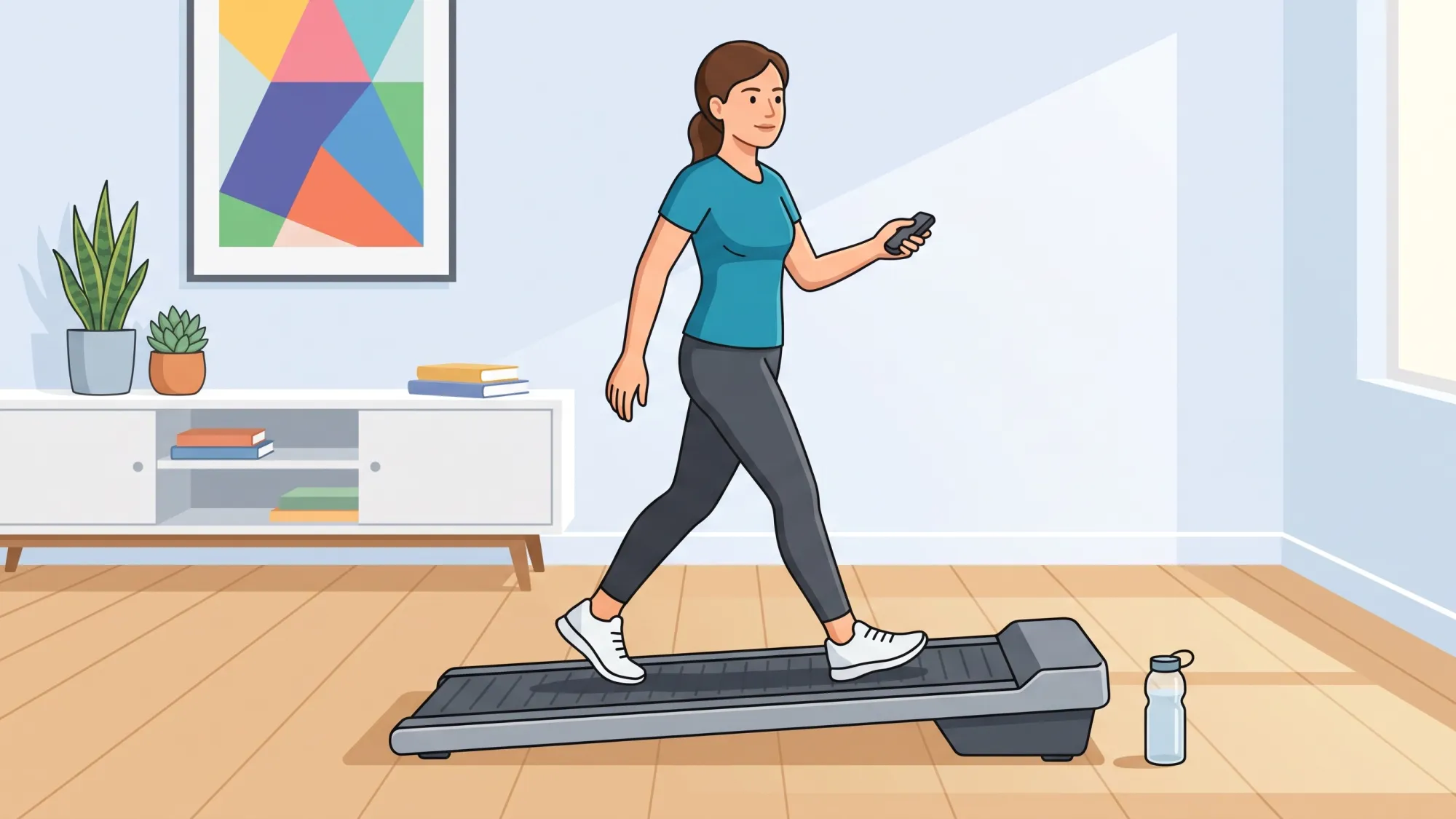
Speed and incline are everything. Here is the setup that works for fat loss, based on my own experience and what I have seen others succeed with.
Start at 3.0 mph with zero incline. Walk for 20 minutes at first. Your body needs to get used to the motion, especially if you are coming from a desk job.
Each week, add either speed or incline. Do not increase both at once. Stick to one change per week. For example: week two, go to 3.2 mph. Week three, add a 2% incline.
Week four, go to 3.4 mph. Keep building until you can handle 3.5 mph at a 5% incline for 45 minutes.
Use intervals for faster results. Walk at 3.5 mph for three minutes, then increase to 4.0 mph for one minute. Repeat ten times.
This style burns more total calories than steady walking and also keeps your metabolism up after you finish.
Do not go below 2.5 mph for weight loss. Anything slower than that turns into NEAT (non‑exercise activity) instead of structured cardio.
NEAT is great for overall health, but it is not enough to drive significant weight loss.
Walking While Working vs. Walking as Exercise
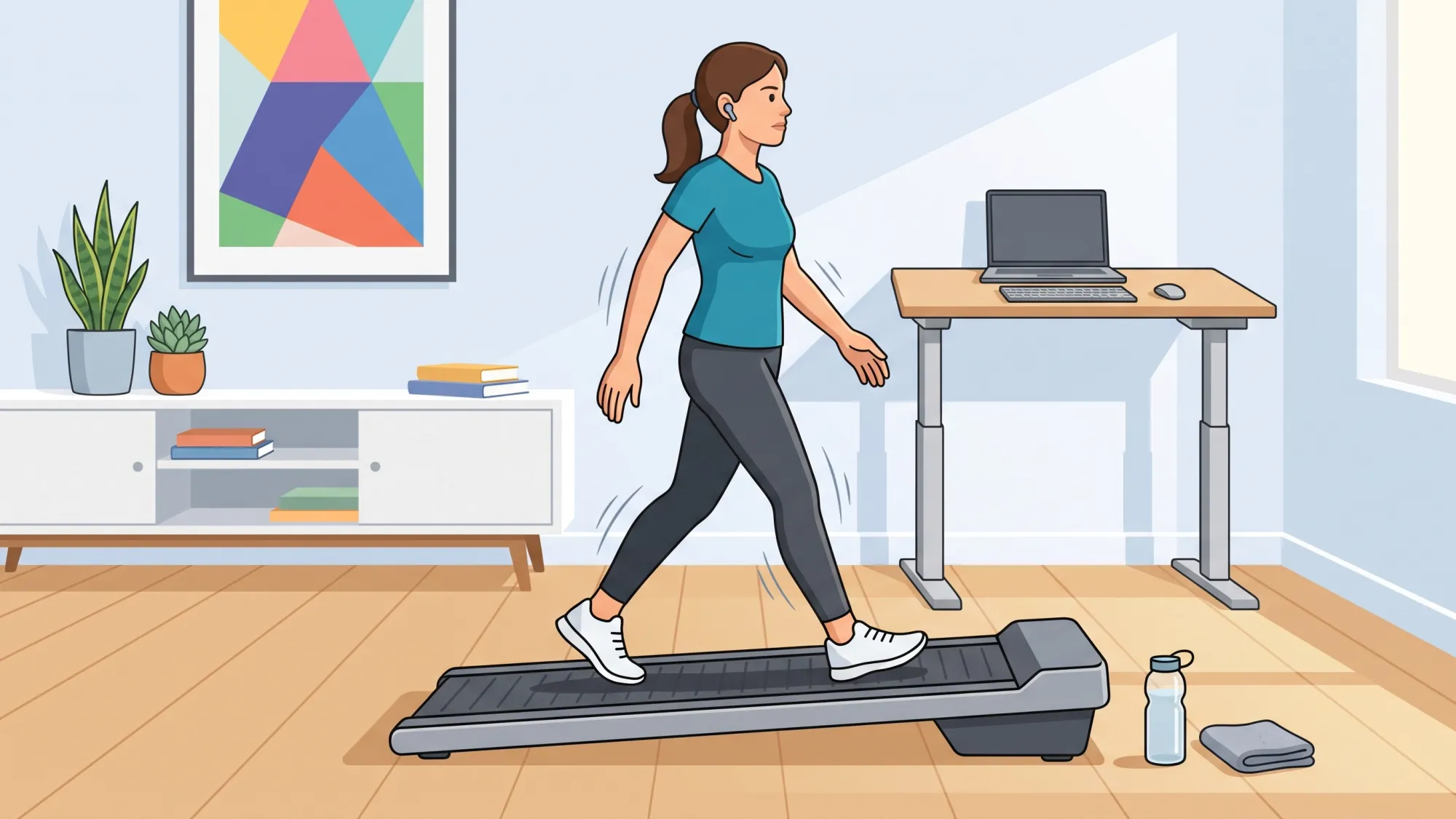
This is the biggest mistake people make. They set up their walking pad under their desk, walk at 1.5 mph all day, and expect to lose weight. That is not how it works.
Under‑desk walking (1‑2 mph) raises your daily step count and burns a few extra calories – maybe 50 to 100 per hour. It helps you stay active and can improve your mood and focus.
But it will not create a meaningful calorie deficit for weight loss. Think of it as a way to reduce the damage of sitting, not as a primary exercise tool.
Walking as exercise (3+ mph, with incline) is a different animal. At this intensity, your heart rate goes up, you start to sweat, and you burn 300 to 500 calories per hour.
This is the kind of walking that moves the scale. If you can, separate your walking time from your work time.
Do twenty minutes on the walking pad before work, then another thirty minutes during your lunch break, keeping the speed brisk. Or do one solid session of 45 minutes after work.
The key is that the walking has to be intentional, not incidental.
Walking Pad vs. Treadmill vs. Outdoor Walking for Fat Loss
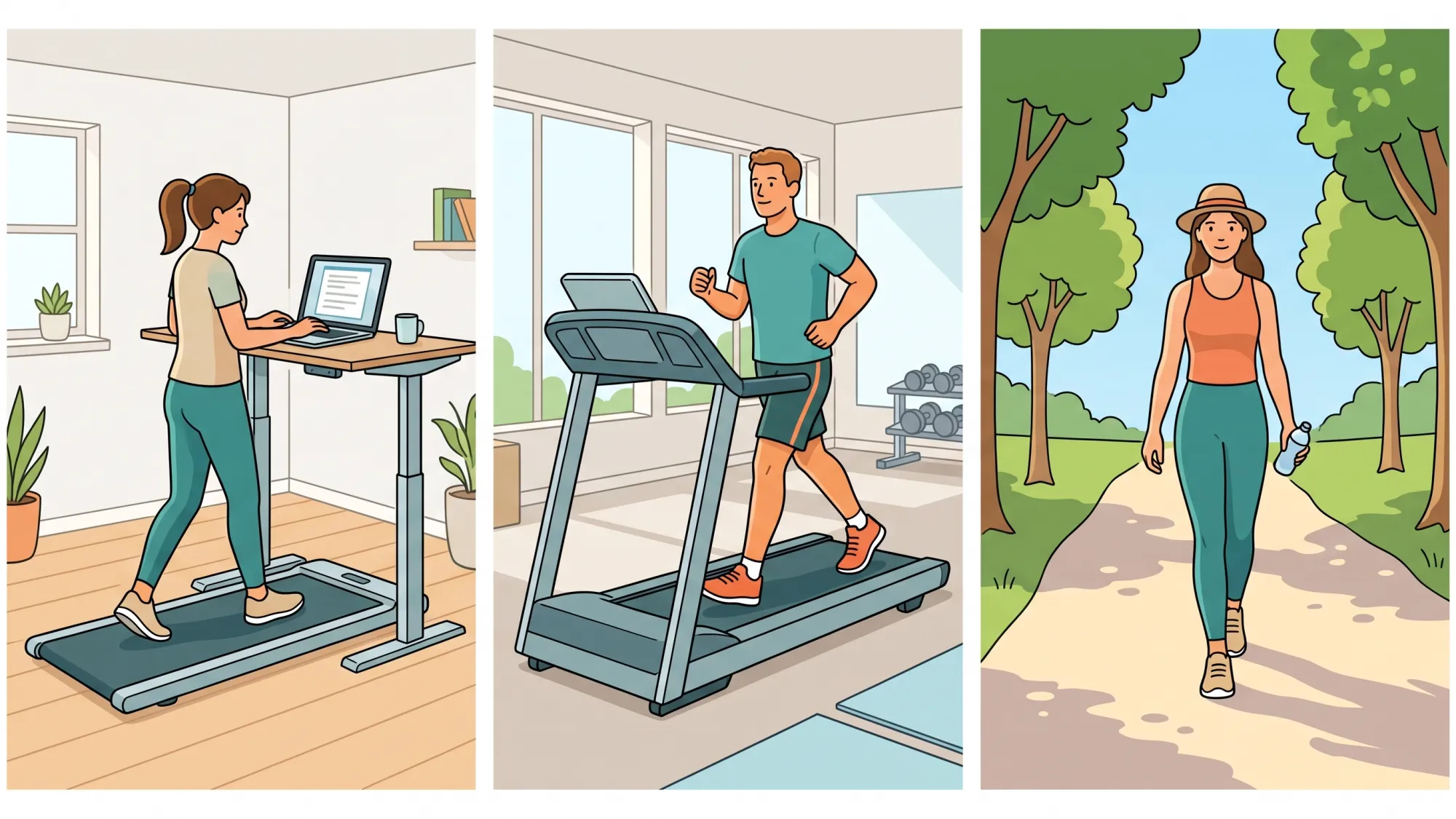
Each option has pros and cons. Here is a quick comparison to help you choose. Walking pad: Quiet, compact, fits under a desk. You can use it while watching TV or working.
But most walking pads have a top speed of around 4 mph and limited incline (some go up to 10%, many stay flat). They are best for moderate walking, not running.
Traditional treadmill: Faster speeds, higher inclines (often up to 15%), better cushioning. You can run on it. But it takes up a lot of space, is heavy, and costs more.
If you only plan to walk, a walking pad is usually a better value. Outdoor walking: Free, gives you fresh air and changing scenery.
But you are limited by weather, daylight, and safety. It is easy to skip if it is raining or cold. A walking pad removes those excuses.
For pure weight loss, all three work equally well if you maintain the same intensity and duration. The best choice is the one you will actually use consistently.
I have seen people lose weight with each method.
Creating a Weekly Walking Pad Routine That Works
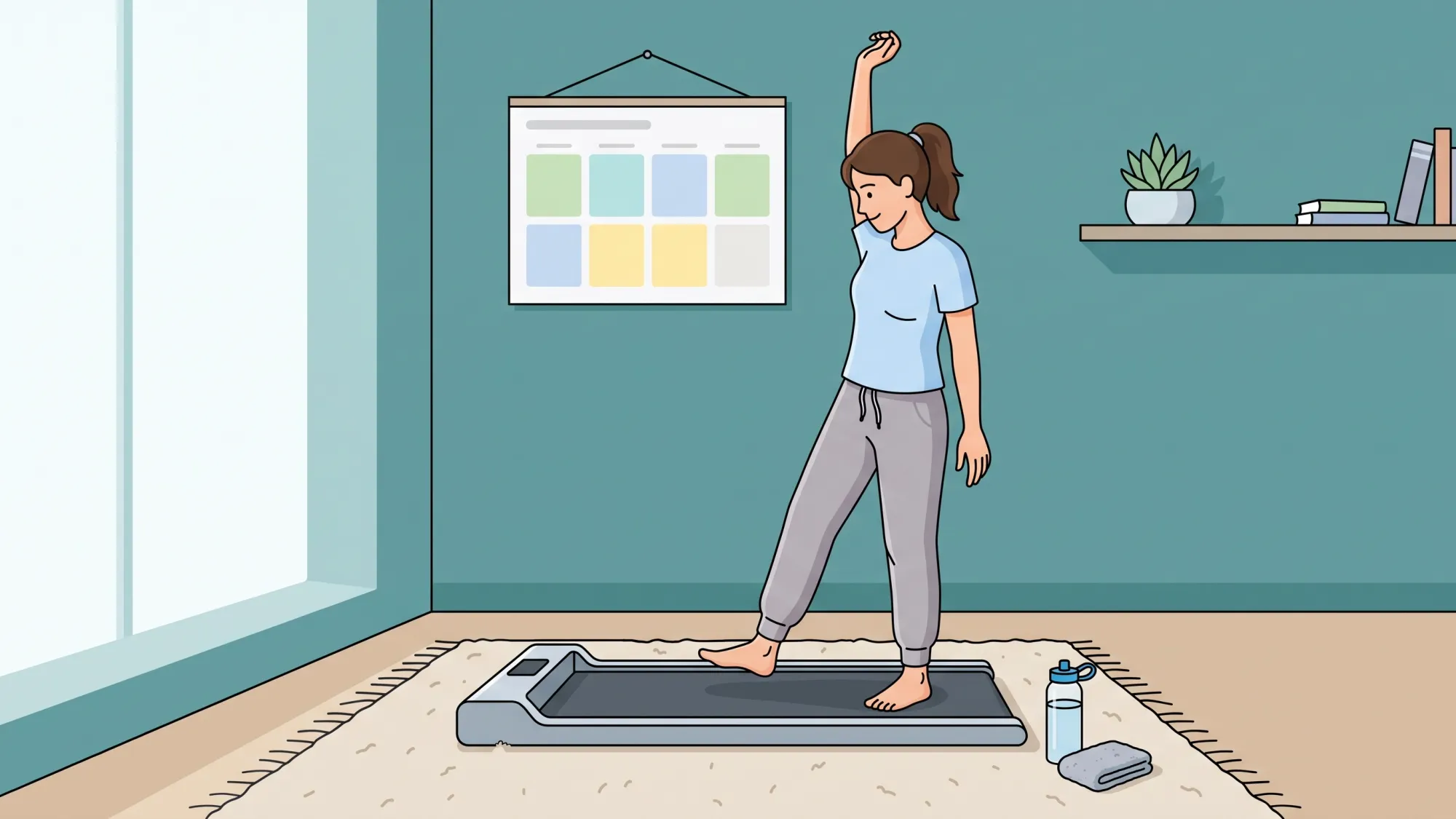
Here is a sample routine I recommend to friends who want to lose weight with a walking pad. It combines steady walks, incline intervals, and rest days.
- Monday: 30 minutes at 3.5 mph, 0% incline (steady)
- Tuesday: 25 minutes of intervals: 3 mph for 2 minutes, then 4 mph for 1 minute, repeat
- Wednesday: Rest or very light walk (1.5 mph) for 20 minutes if you feel stiff
- Thursday: 35 minutes at 3.0 mph with 5% incline (steady)
- Friday: 20 minutes of high‑incline intervals: 2.5 mph at 10% for 2 minutes, then 3.5 mph at 0% for 2 minutes
- Saturday: 40 minutes at 3.0 mph, 3% incline (steady)
- Sunday: Rest
Total walking time per week: about 2.5 to 3 hours.
This routine burns roughly 1,200 to 1,500 extra calories per week, which translates to about one pound every two to three weeks from walking alone – and that is on top of your normal daily activity.
If you also adjust your diet by cutting 250 calories per day, you double the loss to about one pound per week.
Common Misconceptions About Walking Pads and Weight Loss
Let me clear up a few myths I hear all the time.
Myth: Walking pads do not burn enough calories to matter. Reality: At 3.5 mph with a 5% incline, a 155‑pound person burns about 300 calories per hour. That is a real number.
Do that five times a week and you have 1,500 extra calories burned. That is a measurable contribution to weight loss.
Myth: You cannot lose weight without sweating. Reality: Sweat is not a measure of calorie burn. Low‑intensity walking still uses energy.
The body burns fat even at a conversational pace. You just need enough total minutes to add up to a deficit.
Myth: Walking while working ruins productivity. Reality: Studies show that typing speed slows a little, but accuracy stays the same.
Many people find that walking helps them focus on routine tasks. I write while walking at 2.5 mph and it works fine. For complex thinking, I walk first, then sit to do the work.
What Walking Pad Weight Loss Before‑and‑After Stories Reveal
I have collected dozens of user stories from online forums and personal conversations. The pattern is consistent. Most people who succeed lose 5 to 10 pounds in the first two to three months.
They walk consistently for 30 to 60 minutes most days, usually at a pace of 3.0 to 3.5 mph with some incline.
They also watch what they eat – not extreme diets, but they cut out the extra snacks and sugary drinks. The people who fail are the ones who treat the walking pad as a magic fix.
They walk at 1 mph for 15 minutes, eat the same food as before, and wonder why nothing changes. They also often hurt their knees or back because they start too fast or without enough rest.
Common complaints: boredom, knee pain from walking flat for too long, and hitting a plateau after a few months. Boredom is solved with podcasts or audiobooks.
Knee pain is solved by adding more incline and shorter sessions. Plateaus are broken by increasing speed or adding one more interval session per week.
Three Reasons a Walking Pad Might Not Help You Lose Weight
If you buy a walking pad and do not see results, it is probably one of these three things. 1. You walk too slow or too short. Walking at 2 mph for 10 minutes burns about 25 calories.
That is a single cracker. You need at least 20 minutes at 3 mph or faster to make a difference. 2.
You do not use incline. Walking on a flat surface is fine for movement, but walking on a 5% incline doubles the calorie burn.
If your walking pad does not have incline, you can raise the front with a small block (carefully) or simply speed up. But incline is the most effective way to boost intensity without going faster.
3. You eat more or sit more the rest of the day. A walking pad is not a free pass. Many people subconsciously eat more because they think they earned it.
Or they sit for the remaining 23 hours, still keeping total daily energy expenditure low. Track your food and your total sitting time for a week to see the truth.
Frequently Asked Questions
Do you need a special desk to use a walking pad for weight loss?
No, you do not need a special desk. Many people use a walking pad with a regular desk by placing a small riser or monitor stand on the desk to bring the screen to eye level.
However, a standing desk that adjusts height makes it easier to type and walk.
If you are buying a walking pad specifically for under‑desk use, make sure the desk has enough clearance for the pad’s height.
Can you lose belly fat with a walking pad?
You cannot spot‑reduce fat from your belly. Walking helps you lose overall body fat, and belly fat usually goes away as total body fat decreases.
Consistent walking combined with a calorie deficit will shrink your waistline over time. There is no shortcut for belly fat alone.
Is a walking pad enough exercise for someone who is overweight?
Yes, it can be a great starting point. Walking on a pad is low‑impact, easy on the joints, and easy to control.
A person who is very overweight can start at a slow speed for short sessions and build up. The walking pad removes the intimidation of a gym or outdoor walk.
Many overweight users have lost their first 20 pounds using only a walking pad and diet changes.
How does a walking pad compare to a stationary bike for weight loss?
Both can work for weight loss. A stationary bike burns roughly the same calories per hour as a walking pad at moderate intensity. The bike is easier on the knees and takes up less floor space.
But a walking pad engages more muscle groups (glutes, hamstrings, calves) and mimics natural movement. Choose the one you will stick with. I find walking pads easier to use while watching TV.
Will I lose weight if I walk 10,000 steps a day on a walking pad?
It depends on your current activity level. If you go from 3,000 steps to 10,000 steps, you will increase your calorie burn by about 300 to 400 calories per day.
That can lead to about 2 to 3 pounds of weight loss per month if your diet stays the same. However, if you already walk 8,000 steps a day, adding 2,000 more steps may not be enough.
For weight loss, focus on the intensity of those steps, not just the number. A fast 10,000 steps (about 80 minutes at 3.5 mph) is far more effective than a slow 10,000 steps (over two hours at 2 mph).