Is a Walking Pad Better Than a Stepper? The Real Answer for Your Home

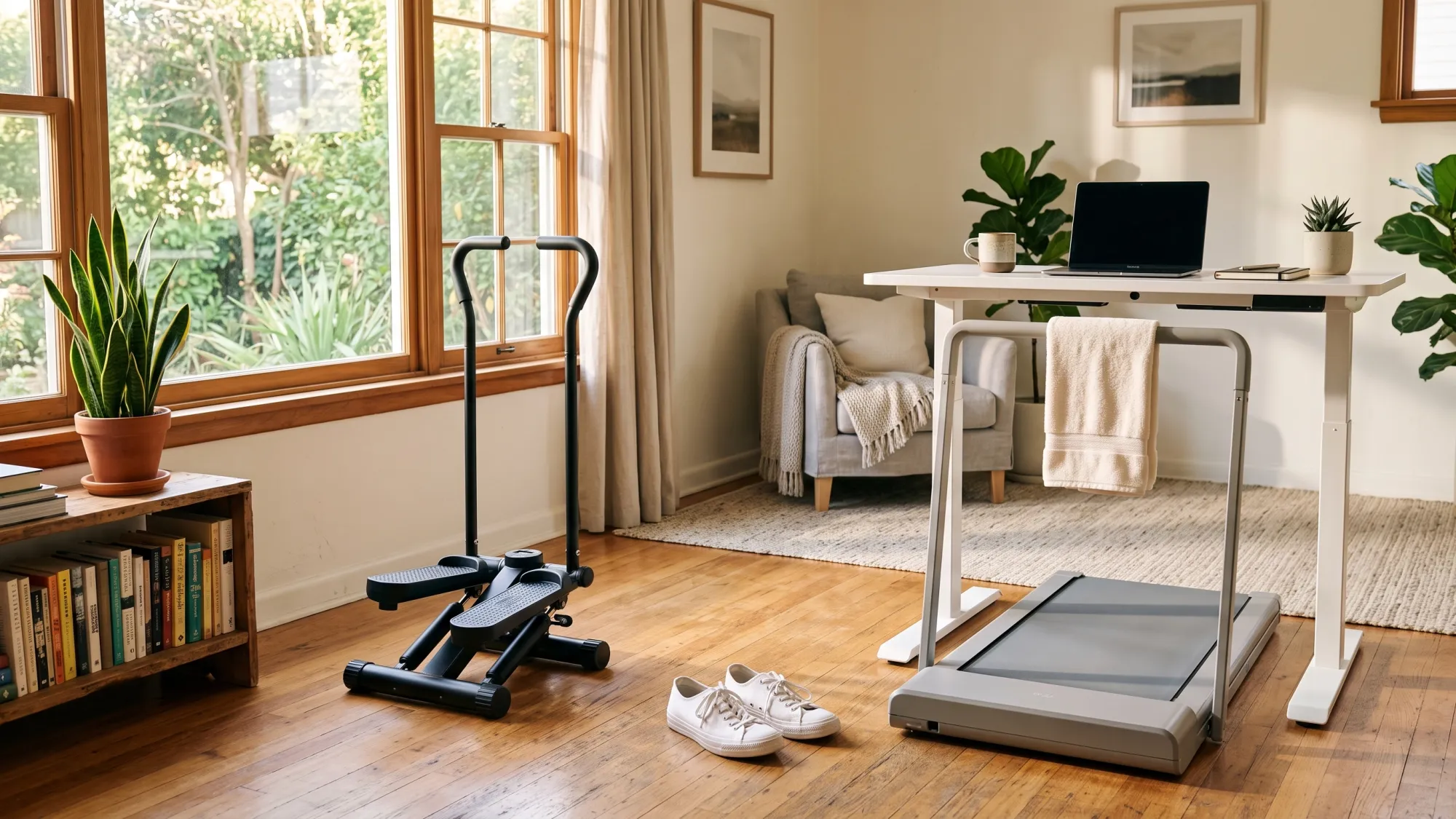
I have owned both machines. I used a mini stepper for three months and a walking pad for over a year. The truth is, neither is universally better.
But there is a clear winner for you — depending on three things: why you want to move, where you do it, and how your body handles repetitive motion.
Let me walk you through the differences that actually matter, not just the spec sheets.
What Actually Happens When You Use Each Machine
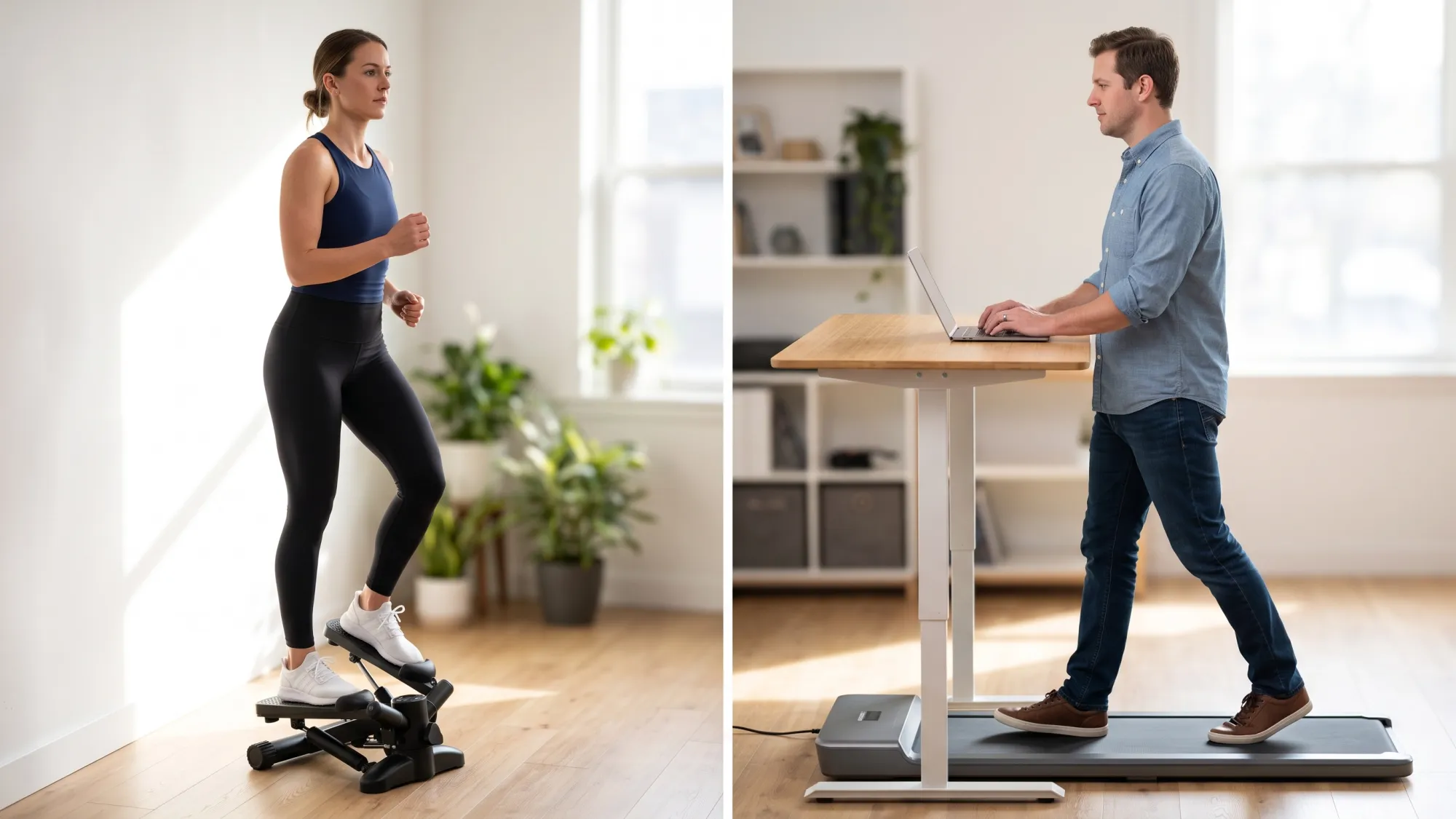
When you step onto a mini stepper, you mimic climbing stairs. Your feet go up and down, and your glutes, hamstrings, and calves work hard with each push.
Your heart rate jumps quickly because you are lifting your entire body weight every step.
A walking pad, in contrast, is a treadmill without the bulky console. You walk normally — the belt moves under you, and your body stays in a natural gait.
The intensity is lower, but you can keep it up for much longer.
Comparing calories per minute is misleading. A stepper burns about 260 calories in 30 minutes for a 155-pound person. A walking pad at 3.5 mph burns around 150 in the same time.
But I rarely spent 30 minutes on a stepper. It felt like work. On my walking pad, I regularly clock 90 minutes spread across the day without noticing.
The total daily burn often ended up higher on the walking pad because I actually stuck with it.
The Five Trade Offs That Decide Your Winner
These are the practical things nobody tells you. Each trade-off pushes you toward one machine.
Space and Storage Realism
A mini stepper fits in a closet. It takes up about two square feet, and you can pull it out in seconds. A walking pad needs four to five feet of length and two feet of width.
Even folding models are heavy — 40 to 60 pounds. If you have to set it up and take it down every time, you will stop using it.
I learned this the hard way. My walking pad lives under my desk permanently. If you cannot leave it out, a stepper is more practical.
Joint Impact and Body Mechanics
Steppers are rough on knees. Every step is a mini squat with your full weight. If you have had knee pain or arthritis, the repetitive flexion can cause trouble.
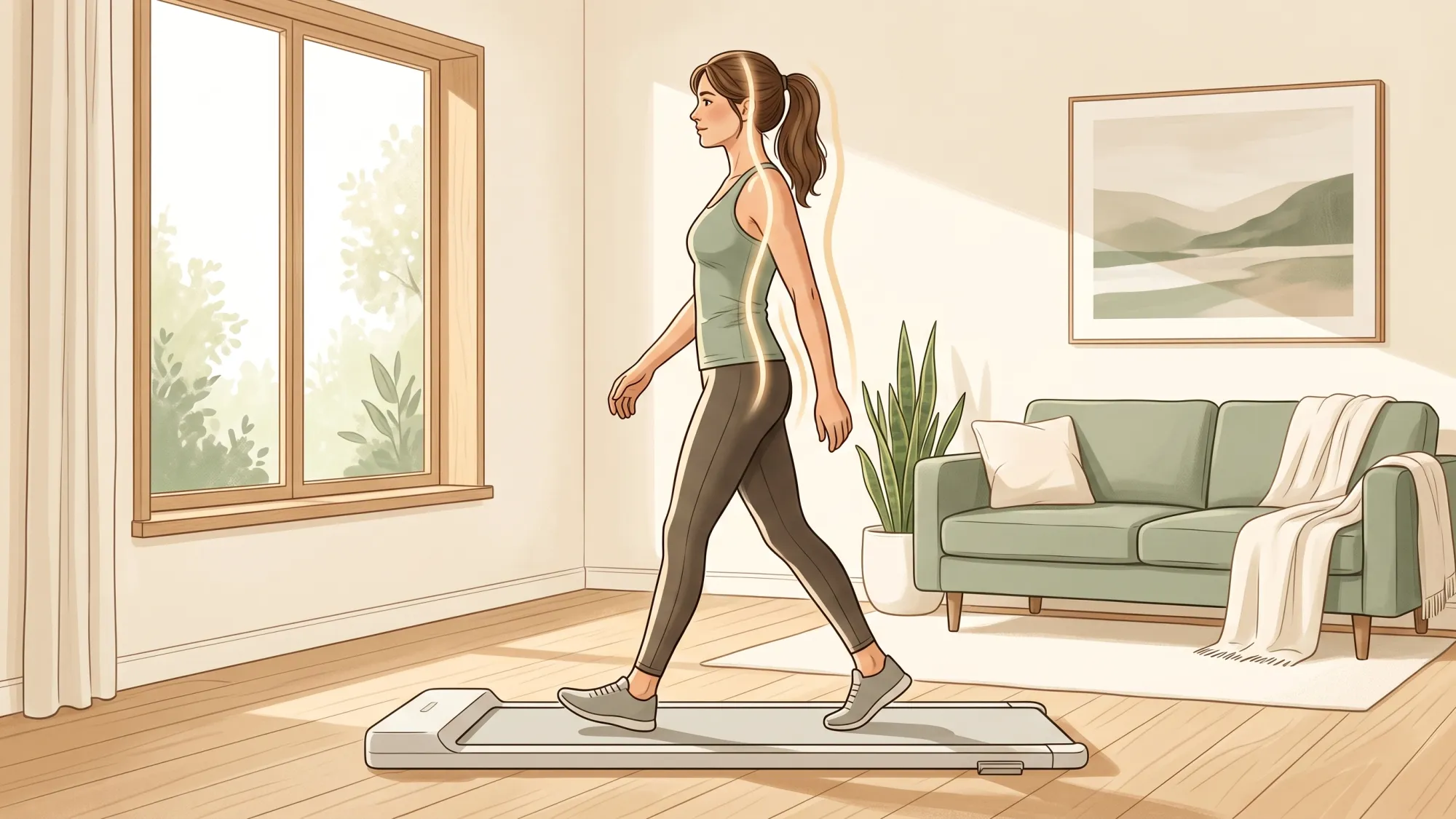
Walking pads are low impact — the cushioned belt absorbs shock. But they can strain your lower back if you stand with poor posture.
I had to consciously straighten my spine while walking. For most people, the walking pad is gentler on joints, especially over long sessions.
Noise and Movement Acceptability
Steppers are nearly silent. The hydraulic pistons make a soft whoosh, but no motor hum. You can use one during a video call if you keep the motion smooth. Walking pads produce a low motor hum.
At 2 mph it is quiet, but at 4 mph it can be noticeable. On carpet, walking pads vibrate more. If you live in an apartment with neighbors below, the stepper is the safer bet for noise.
Calorie Burn Versus Sustainability
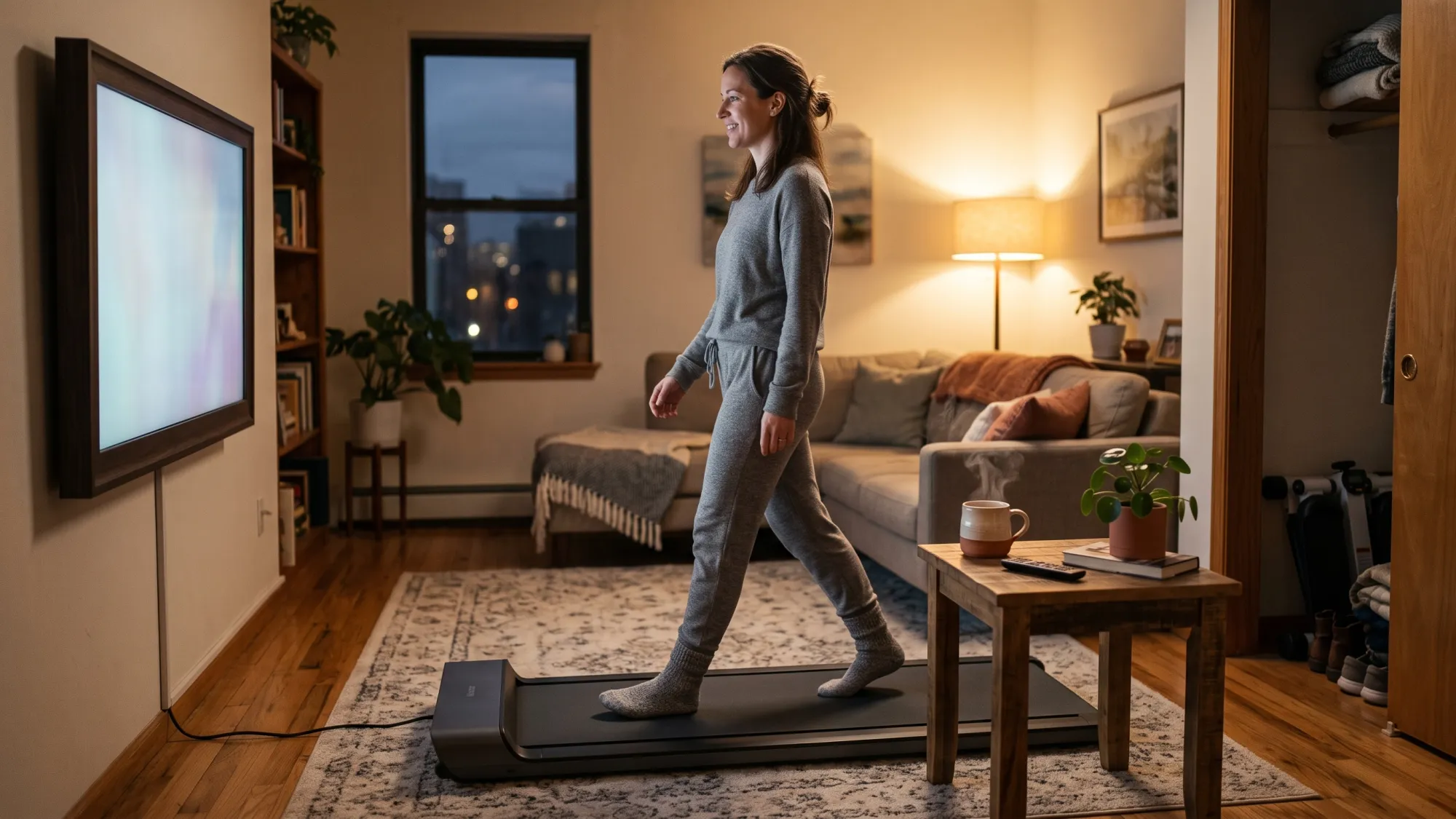
This is the key decision point. The stepper burns more per minute, but you will do fewer minutes. I could handle 20 minutes on a stepper three times a week.
My walking pad gets used every single day for at least an hour. Over a week, the walking pad gives me more total calories burned. If you can sustain high intensity, go stepper.
If you want gentle daily movement, go walking pad.
Multitasking Capability
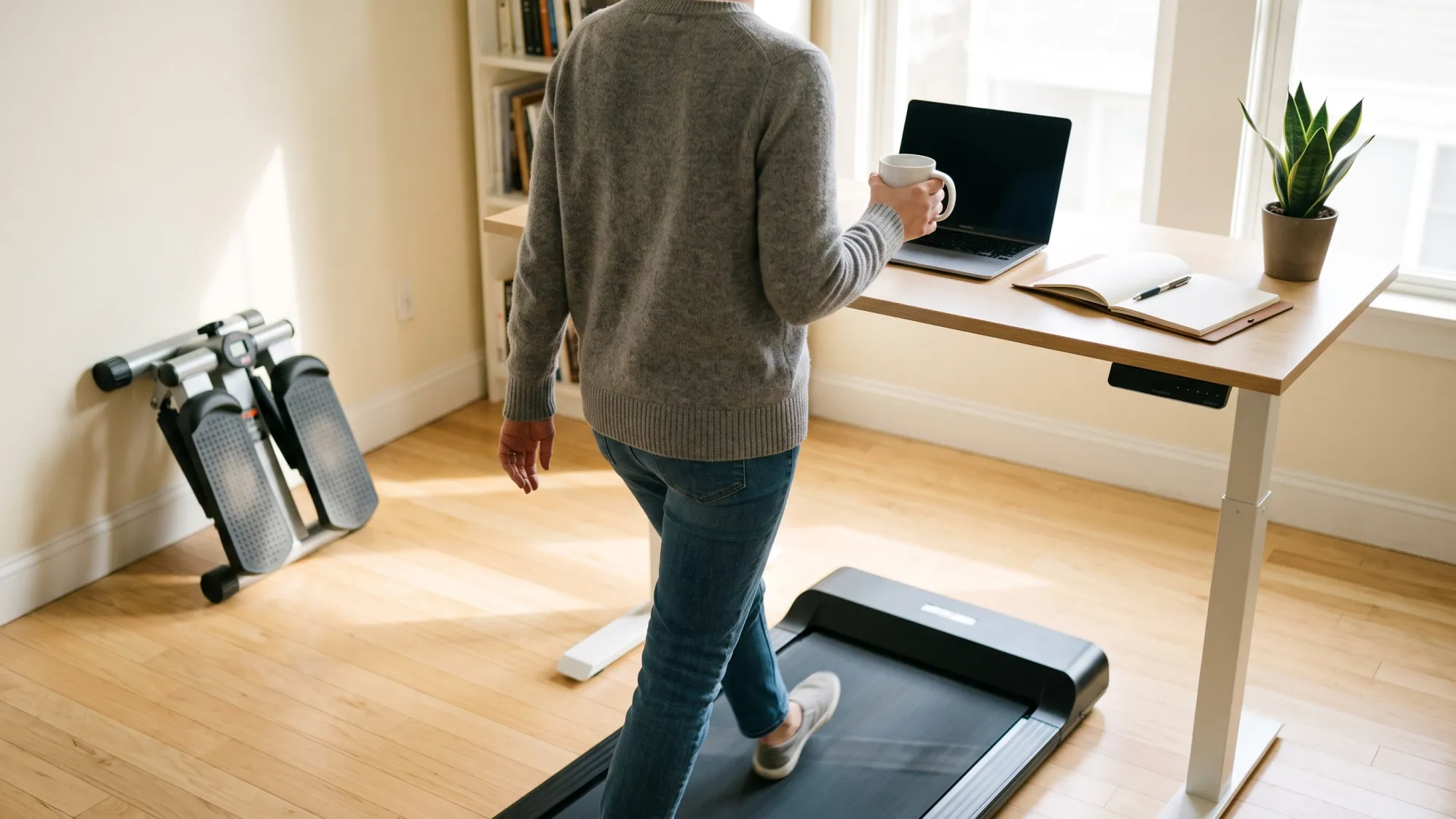
Walking pads excel here. You can type, read, talk on the phone, or watch a movie while walking slowly. I write emails and attend Zoom calls on my walking pad.
Steppers demand focus — the up-and-down motion makes typing hard, and your body bobs too much for a professional video call.
If you want to be active while working, the walking pad is the only real option.
The Consistency Trap: Why Most People Quit Their Machine
I have seen this pattern with friends who bought steppers. They use it hard for two weeks, then the novelty fades.
The stepper requires you to decide to exercise, change clothes, do a focused session, and cool down. That is a lot of mental friction. A walking pad removes friction.
You just step on and start moving. You do not have to “work out” — you just walk. That subtle shift is why walking pads tend to be used more consistently over months.
The machine that demands less willpower wins in the long run.
Hidden Costs and Long Term Ownership
No one talks about what happens after the first year. Steppers use hydraulic cylinders that eventually need lubrication. Squeaking starts after a few months.
The cylinders themselves wear out — replacement costs around $20 to $40. But the frame and mechanism are simple, so many steppers last several years.
Walking pads have a motor, belt, and deck. Cheap models (< $300) often fail within 6–12 months. The belt can fray, the motor brushes wear, and the deck needs lubricant.
Premium walking pads from brands like Merach or WalkingPad offer 2–5 year warranties.
A $400 walking pad that lasts three years costs about the same per use as a $100 stepper that lasts two years, but the walking pad gets used more often — so it is cheaper per session.
How to Protect Your Body on Both Machines
Stepper Form Fixes
- Do not lock your knees. Keep a soft bend throughout the step.
- Use handrails lightly. Do not lean on them. Light support reduces joint stress without robbing the workout.
- Keep your weight centered. Leaning forward strains your lower back.
Walking Pad Posture Tips
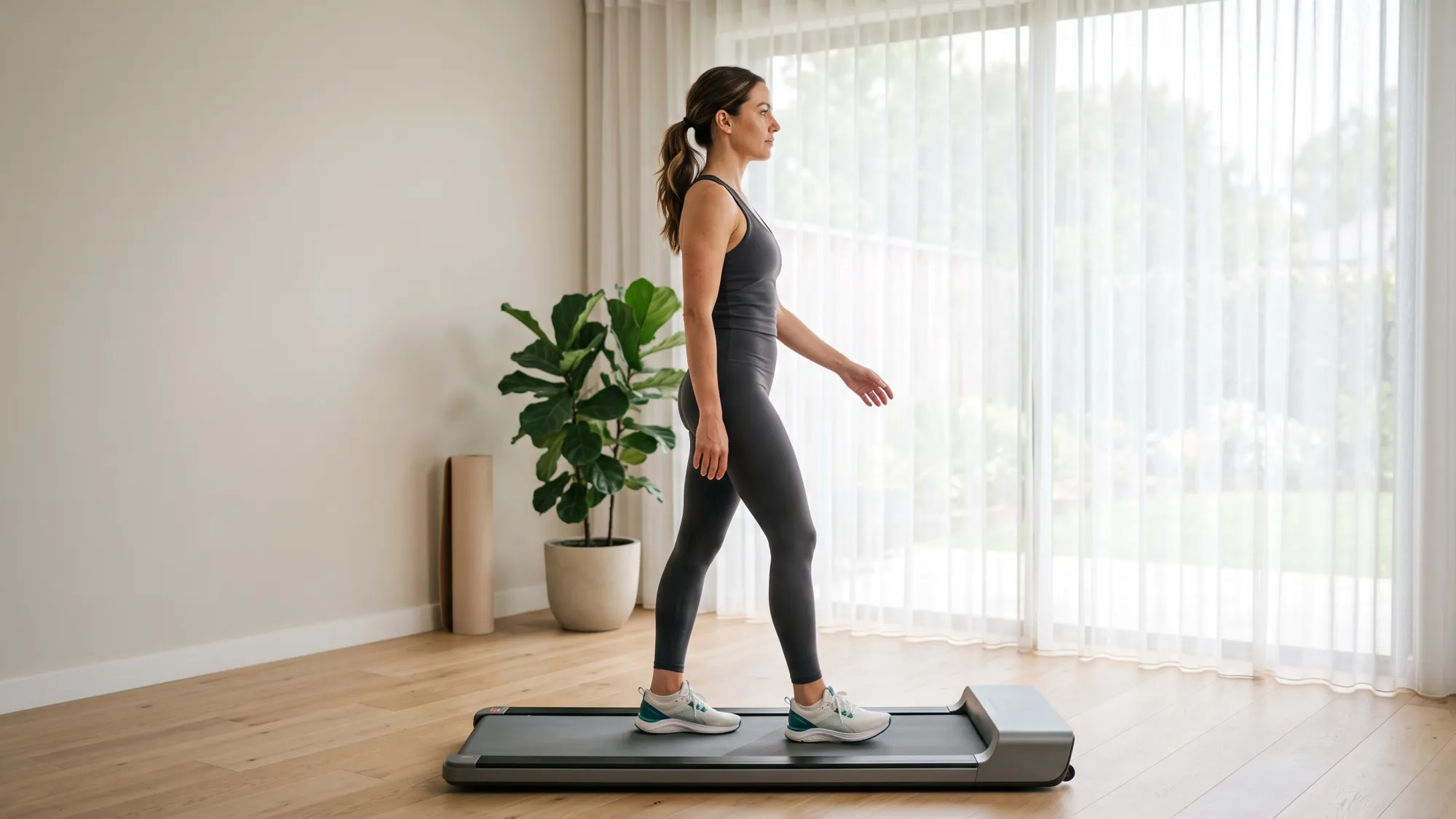
- Stand tall. Imagine a string pulling the top of your head toward the ceiling.
- Swing your arms naturally. Holding onto a desk while walking encourages hunching.
- Use an incline if available. Even a small incline engages glutes and reduces strain on your lower back.
If you have severe knee pain, skip the stepper. If you have lower back issues, a walking pad might still work if you maintain good posture — but consult a professional first.
The Personal Match System: A 30 Second Test
Answer these three questions honestly:
- What is your primary goal?
- A) Tone and strengthen legs/glutes
- B) Increase daily step count and burn calories passively
- C) Rehabilitation or very low-impact movement
- How do you prefer to exercise?
- A) Short, intense sessions (15–20 min)
- B) Long, slow sessions (60+ min spread across the day)
- C) I want to move while I work
- What is your body status?
- A) Healthy knees and lower back
- B) Sensitive knees or joint issues
- C) Lower back concerns
Decision matrix:
| If you scored mostly… | Best machine |
|---|---|
| A on goal, A on schedule, A on body | Stepper |
| B on goal, B or C on schedule, any body (except C for back) | Walking pad |
| C on goal, C on schedule, B or C on body | Walking pad (low impact, no intense vertical motion) |
| Mixed (e.g., goal A, schedule B, body B) | Walking pad first (higher adherence), add stepper later if needed |
Frequently Asked Questions
Is a stair stepper better than a walking pad for weight loss?
Not necessarily. The stepper burns more per minute, but you are less likely to use it daily.
Walking pads burn fewer calories per minute but accumulate more over time because you use them longer and more often.
What's better a walking pad or a stepper for seniors?
Walking pads are safer. They support natural walking, reduce fall risk, and put less stress on joints. Steppers require balance and can feel unstable for older adults.
Is a mini stepper better than a walking pad for toning legs?
Yes. The stepper targets glutes and thighs directly with each step. Walking pads tone more gently and are better for overall endurance than visible muscle shaping.
Is a walking pad as good as a treadmill?
For walking only, yes. Walking pads lack the speed range and incline of full treadmills, but for daily walking at 0.5–4 mph, they are nearly identical. Many walking pads now include incline options.
Which machine is quieter for apartment living?
Steppers are quieter overall — only soft piston sounds. Walking pads hum at lower frequencies; that hum can travel through floors if on carpet. On hard flooring, walking pads are acceptable.
Can a stepper build visible glutes?
Yes, but slowly. You need to use resistance (hand weights or higher tension) and increase duration. It will not replace a gym stair climber, but it can produce noticeable results in 6–8 weeks.
Do walking pads burn enough calories for weight loss?
Yes, if you combine them with a calorie deficit. At 3 mph, a 155-pound person burns about 350–500 calories per hour. Walking 90 minutes daily creates a meaningful deficit over time.
Final Recommendation
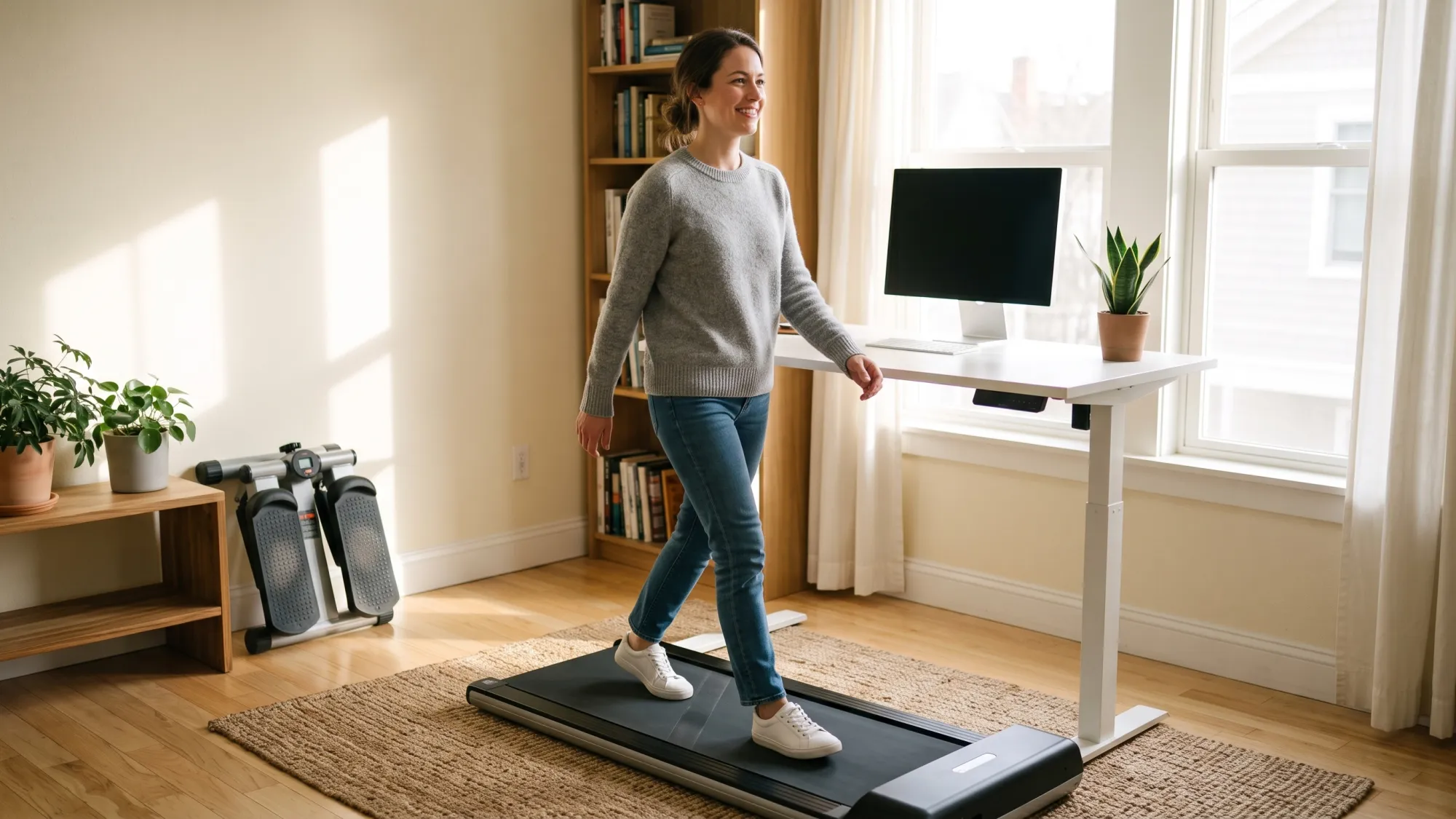
If you want to move more without thinking about it — if you need to stay active while working or watching TV — get a walking pad. It wins for consistency.
If you want a compact, intense lower-body workout and you have strong joints and can commit to short daily sessions, get a stepper.
Still unsure? Start with a walking pad. It is easier to build a habit on. Later, if you crave more targeted toning, add a stepper. Most people find they use the walking pad far more than they expected.
That is the real win.