How Wide Should a Walking Pad Be?

I bought my first walking pad expecting to slide it under my desk and get 10,000 steps without thinking.
What I didn’t expect was how much the belt width would affect everything — from how safe I felt to how long I could actually walk without my feet hitting the edges.
After that experience and testing a few other models, I can tell you the width matters more than most reviews let on.
Most walking pads on the market have belt widths between 40 cm (15.7 inches) and 51 cm (20 inches). The common answer is that 40 cm is the minimum.
But from using a 40 cm pad for two weeks, I can say minimum doesn’t mean comfortable. For most adults, the sweet spot is between 44 cm and 48 cm.
Wider belts exist mostly on heavier-duty models meant for taller users or light jogging. But a number alone isn’t enough. You need to know how that width fits your body and your walking style.
Here’s how to figure that out.
How to Measure Your Personal Width Requirement
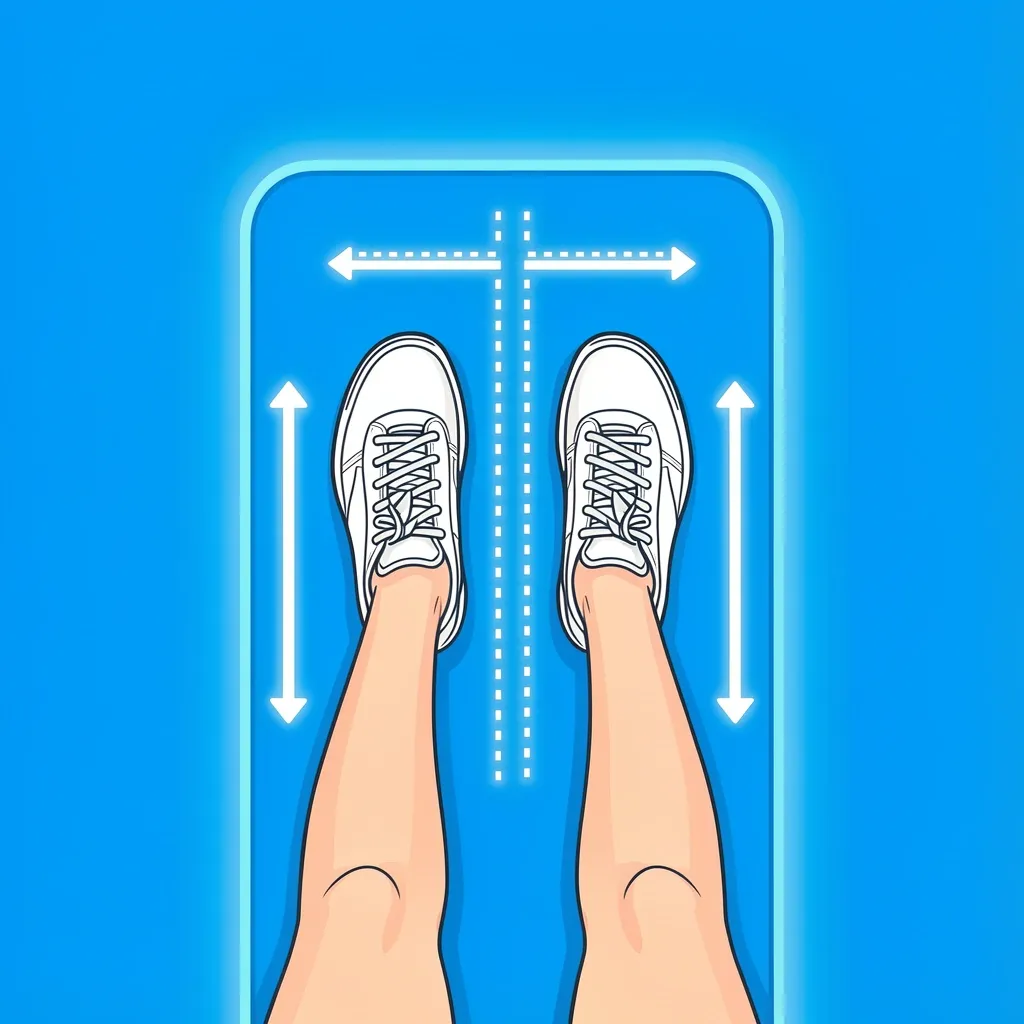
You don’t need a tape measure and a calculator to guess. You need a simple check that takes two minutes. First, put on the shoes you plan to walk in.
Measure the length of your foot from heel to longest toe. Write that number down. Next, measure your shoulder width — the distance from one shoulder bone (acromion) to the other.
This gives you a rough idea of your natural stance width. Finally, test your stride. Stand in place and walk normally for about ten steps. Look at where your feet land.
Most people’s feet naturally spread a little wider than hip-width when they walk. That lateral sway is where the belt width matters most.
Here’s the rule I use: the belt width should be at least 4–5 cm wider than your shoe length. And it should be at least as wide as your shoulder width. Take an example.
A person wearing US men’s size 10 shoes has a foot length of about 30 cm. On a 40 cm belt, that leaves only 5 cm of clearance on each side. For a natural foot splay during walking, that’s tight.
You’ll find yourself adjusting your steps subconsciously, which gets tiring after ten minutes. Now compare that to a 46 cm belt. That same foot now has 8 cm of clearance on each side.
That extra few centimeters makes a real difference in comfort and confidence.
What if you have wide feet or a wider gait?
If you wear wide-width shoes or you naturally walk with your feet farther apart (common for people with wider hips or a larger frame), then add another 2–3 cm to your minimum.
A 40 cm belt will feel like a tightrope. I would not recommend anything under 44 cm for anyone with shoes wider than a standard D width.
Width Recommendations for Walking, Jogging, and Desk Use
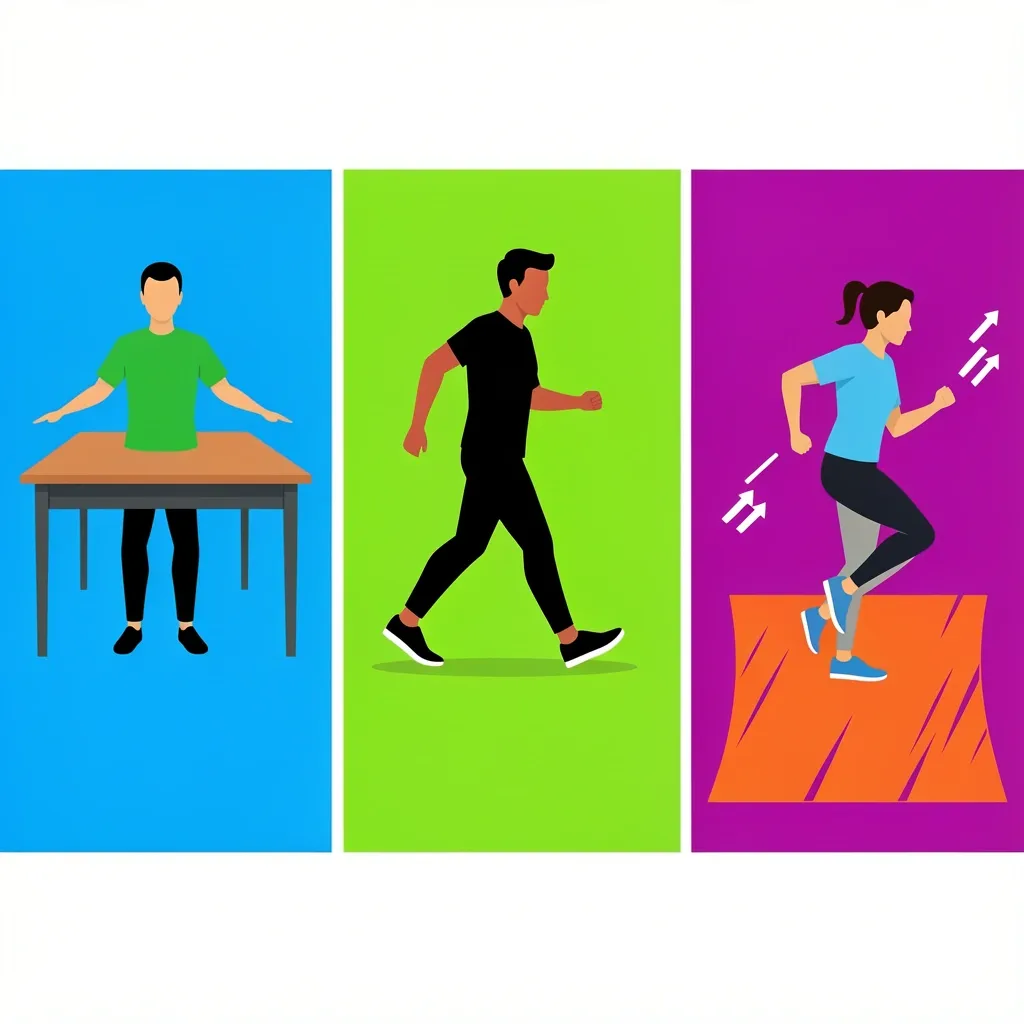
Not all walking is the same. The speed and intensity change how much room your feet need.
Leisurely walking and desk walking
If you plan to walk at a slow pace — say 1–3 km/h while typing or reading — 40 cm is usable if you are careful and your feet are on the smaller side.
But for all-day comfort under a standing desk, I strongly suggest 44 cm or more.
The narrow belt forces your feet into a straighter line than your body naturally wants, and that can cause hip or lower back discomfort over an hour.
Brisk walking or speed walking
When you pick up the pace to 4–6 km/h, your stride naturally gets longer and your feet land slightly wider. At that speed, 40 cm feels unstable.
I would set the minimum at 44 cm, and 48 cm is noticeably better. You do not want to worry about your foot catching the side rail when you are moving fast.
Jogging or light running
If you plan to jog on a walking pad — even at 7–8 km/h — the belt should be at least 48 cm. Narrow belts at speed increase the risk of stepping off the edge, which can cause a fall.
Walking pads are not designed for running, but if you must, go as wide as possible.
Desk use side note
When you walk under a desk, the desk edge limits how much you can sway side to side. A narrow belt combined with a fixed desk height can make your gait feel cramped.
If your desk does not allow much lateral movement, a wider belt (44 cm or more) helps compensate.
Deceptive Dimensions – What You See vs. What You Walk On
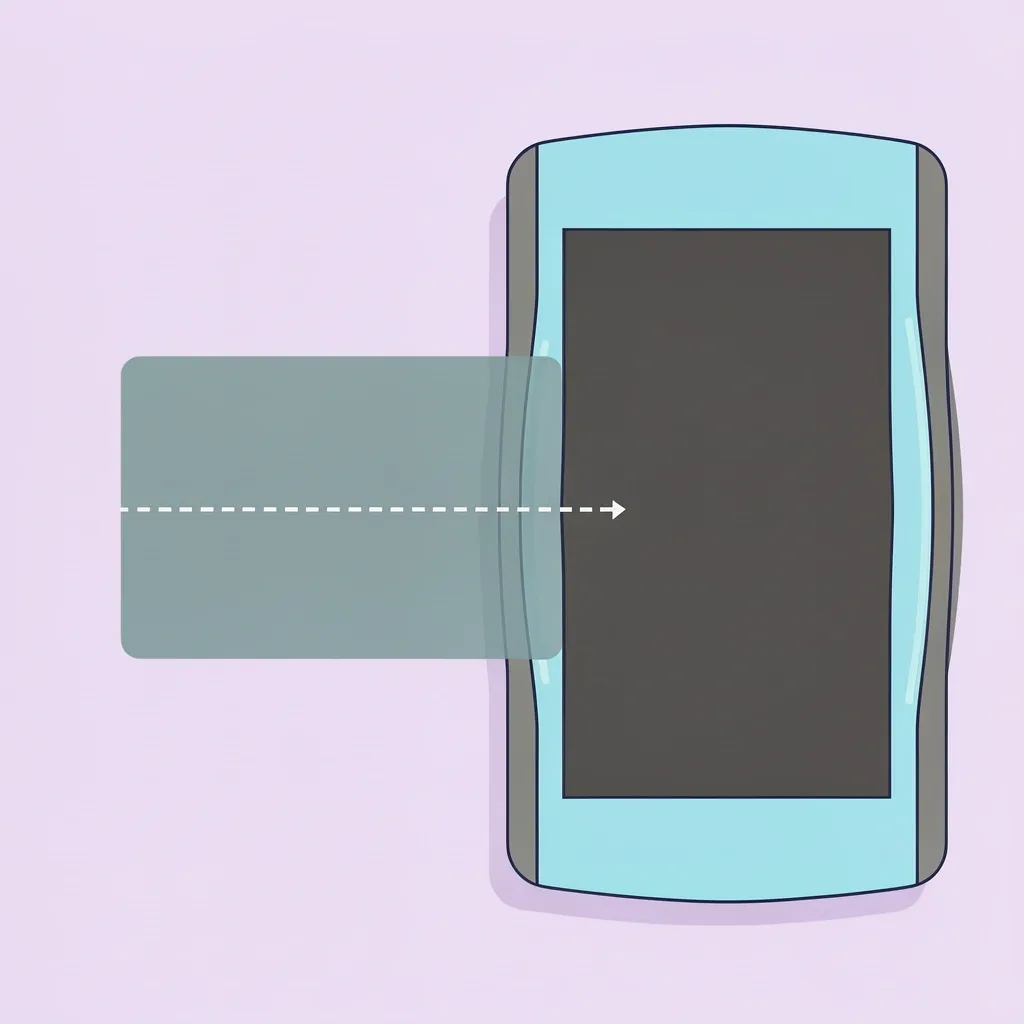
This is the trap I fell into. The product page said the walking surface was 40 cm wide. But when I measured the actual belt — the part I could actually step on — it was only 37 cm.
The rest was taken up by the side frame, the motor cover, or raised edges. Here is how you avoid that mistake.
First, check the product manual or specification sheet for the exact belt dimensions, not the overall deck width. Some brands list “walking area” separately.
If they don’t, look at customer photos where someone is standing on the pad. You can usually see how much room their feet have relative to the side rails. Second, watch for raised borders.
Some walking pads have a small lip along the sides to keep you centered. That lip reduces the effective width by 1–2 cm on each side.
If the pad has handles that fold up, those can also narrow your usable space. Third, read reviews that mention foot placement.
Real users often say “my size 10 shoes barely fit” or “I have to walk with my feet close together.” Those comments tell you the effective width is tighter than advertised.
Why 40 cm Is the Minimum, Not the Goal
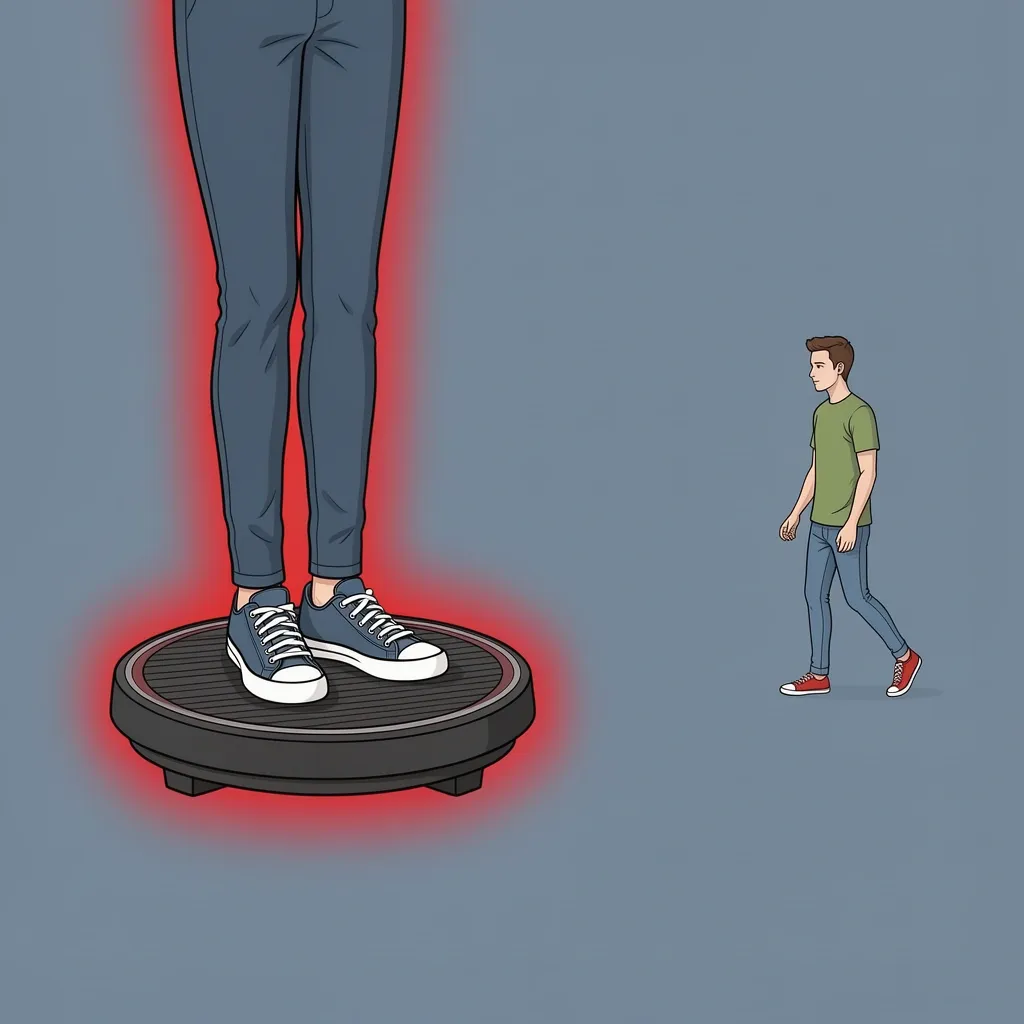
Many budget walking pads advertise 40 cm as a standard width. It is the cheapest to manufacture and keeps the machine slim and light.
But from my experience and from dozens of comments I have read, 40 cm works well only for smaller users with shoe sizes below US men’s 8 or women’s 9.
For everyone else, 40 cm leads to one of two problems.
Either you constantly adjust your stride to stay on the belt — which is mentally draining and makes it hard to focus on work — or you step off the edge, which is a safety risk.
I have seen comments from users who bought a 40 cm pad and regretted it within a week. One person wrote: “I bought a 40 cm pad and my size 12 feet constantly hit the sides.
I wish someone had told me to measure my shoes first.” Another said: “I am 6 feet tall with a natural wide gait.
The 40 cm belt made me feel like I was walking on a balance beam.” If you are between sizes, always choose the wider option.
A few extra centimeters cost a bit more in price and a bit more in storage space, but they save you from frustration and potential injury.
The Trade-Off – Wider Belts vs. Portability and Storage
There is a reason walking pads are not all 48 cm or wider. Wider belts mean bigger machines. A 48 cm belt often comes with a frame that is 60 cm wide or more.
That adds weight and makes the pad harder to move and store. I learned this the hard way when I upgraded from a 40 cm pad to a 48 cm one.
The new one weighed about 8 kg more and did not slide as easily under my couch. It took up more floor space when stored vertically. Here is a simple way to decide which trade-off you can live with.
If you value portability above all else — if you need to move the pad between rooms every day or store it in a tight closet — then a 40–44 cm belt is your best option.
Just be prepared to walk with a slightly narrower gait and keep your speed low. If comfort and safety matter more — if the pad will stay in one spot most of the time — then go for 48 cm or wider.
That extra width makes the walking experience much more natural and less risky. Foldable models can still offer a wide belt, but the hinge mechanism adds weight and potential weak points.
Check the folded dimensions carefully before buying. In the end, the right width is the one that lets you walk without thinking about your feet.
If you have to focus on staying centered, the belt is too narrow. If it feels like you have plenty of room to move naturally, you chose correctly.
Frequently Asked Questions
Can a walking pad be too wide for me?
It is rare, but possible. If you are very short or have a very narrow stance, an extremely wide belt (over 50 cm) might feel inefficient because you have to take wider steps to feel the belt moving.
But the downsides are minimal — you just walk normally on a bigger surface. Most people prefer more room rather than less.
Do I need a wider belt if I use a walking pad under a standing desk?
Yes. The desk confines your arm swing and limits how much you can naturally sway side to side. A narrow belt (40 cm) under a desk feels even narrower because you cannot use your arms for balance.
A belt of 44 cm or more gives you enough lateral room to walk comfortably in that confined space.
Is there a width difference between under-desk walking pads and standard treadmills?
Yes. Walking pads prioritize slimness, so most are 40–44 cm wide. Standard treadmills for home use start at 46 cm for walking models.
If you have the floor space, a treadmill with a 46 cm belt gives you a better walking experience.
But if you need the portability and low profile of a walking pad, aim for the widest model that fits your storage.
How does shoe type affect the required width?
Barefoot or minimalist shoes require less lateral space because they do not have bulky soles. Thick-soled walking shoes or stability shoes with a wide outsole take up more room on the belt.
If you plan to walk in sneakers with a thick sole, add an extra centimeter to your minimum width calculation.
What if I have a medical condition affecting balance?
If you have any balance issues, old injuries, or conditions like neuropathy, choose the widest belt you can find — 48 cm or more. The wider surface gives you a larger margin for error.
I also recommend consulting a physical therapist before using any walking pad if you have balance concerns.
Can I modify a narrow walking pad to feel safer?
You can add side railing extensions or place a wider mat underneath to create a visual boundary. But none of these modifications change the actual belt width.
Your feet will still have the same limited space. If the belt feels too narrow, the only real fix is a wider machine.