Can You Use a Walking Pad in Socks?

No. You should not use a walking pad in socks alone for any sustained walking or speeds above a slow stroll. This advice comes from podiatrists, physical therapists, and treadmill engineers.
Walking in socks removes the support your feet need, creates dangerous friction, and can even void your warranty. But the full picture is more nuanced.
Let me walk you through exactly why socks are a bad idea, when they might be okay, and what to do instead.
The Three Hidden Dangers of Walking in Socks
Loss of Arch Support
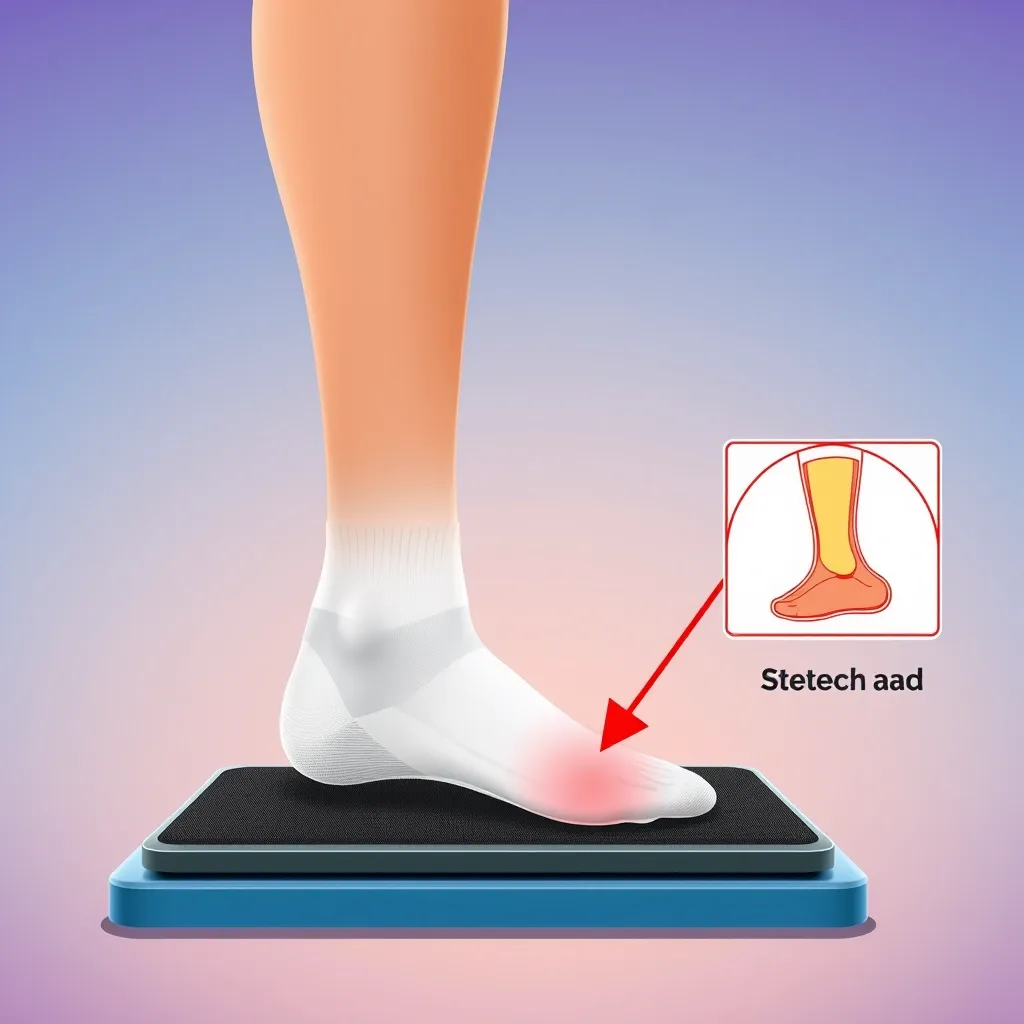
Your foot has a natural arch that acts like a spring. When you walk on solid ground, your foot muscles and ligaments work together to absorb shock.
On a walking pad belt, the moving surface pulls your foot slightly backward with each step. This forces your arch to collapse (overpronation) more than it would on a stable floor.
Without a shoe's arch support, this repeated collapse strains the plantar fascia — the band of tissue along the bottom of your foot.
After thousands of steps, that strain turns into heel pain or even plantar fasciitis. Walking pads also have thinner decks than gym treadmills. Less cushioning means more impact travels up your legs.
Socks provide zero shock absorption, so your joints take the full hit.
Friction and Shear Force
Sock fibers — whether cotton, wool, or synthetic — heat up quickly when rubbed against a moving belt.
The belt material (often PVC or silicone-coated) is designed for shoe soles, which have grip and a smooth surface.
Socks create a different kind of friction: they grab the belt unevenly, causing micro-slip and heat concentration. This leads to blisters, calluses, and hot spots.
The problem gets worse at higher speeds because your foot rotates through a stride. With shoes, the sole's tread allows a natural heel‑to‑toe roll.
With socks, the heel drags and the toes push off with too much shear force. I once tried walking in socks on my own pad for just 10 minutes at 2 mph.
By the next morning, I had a tender red patch on my right heel. That is the friction doing its damage.
Hygiene and Machine Damage
Socks absorb sweat and dead skin cells directly into the belt. Over time, this moisture seeps into the motor housing, creating a perfect breeding ground for bacteria and mold.
The belt itself can degrade faster — the friction from wet socks wears down the surface unevenly. Many walking pad warranties explicitly forbid sock‑only use.
If your motor fails and they find sweat damage inside, you are out of luck. A simple habit: keep a dedicated pair of indoor walking shoes next to your pad.
Your machine will last longer, and your feet will stay healthier.
Is Going Barefoot Better or Worse?
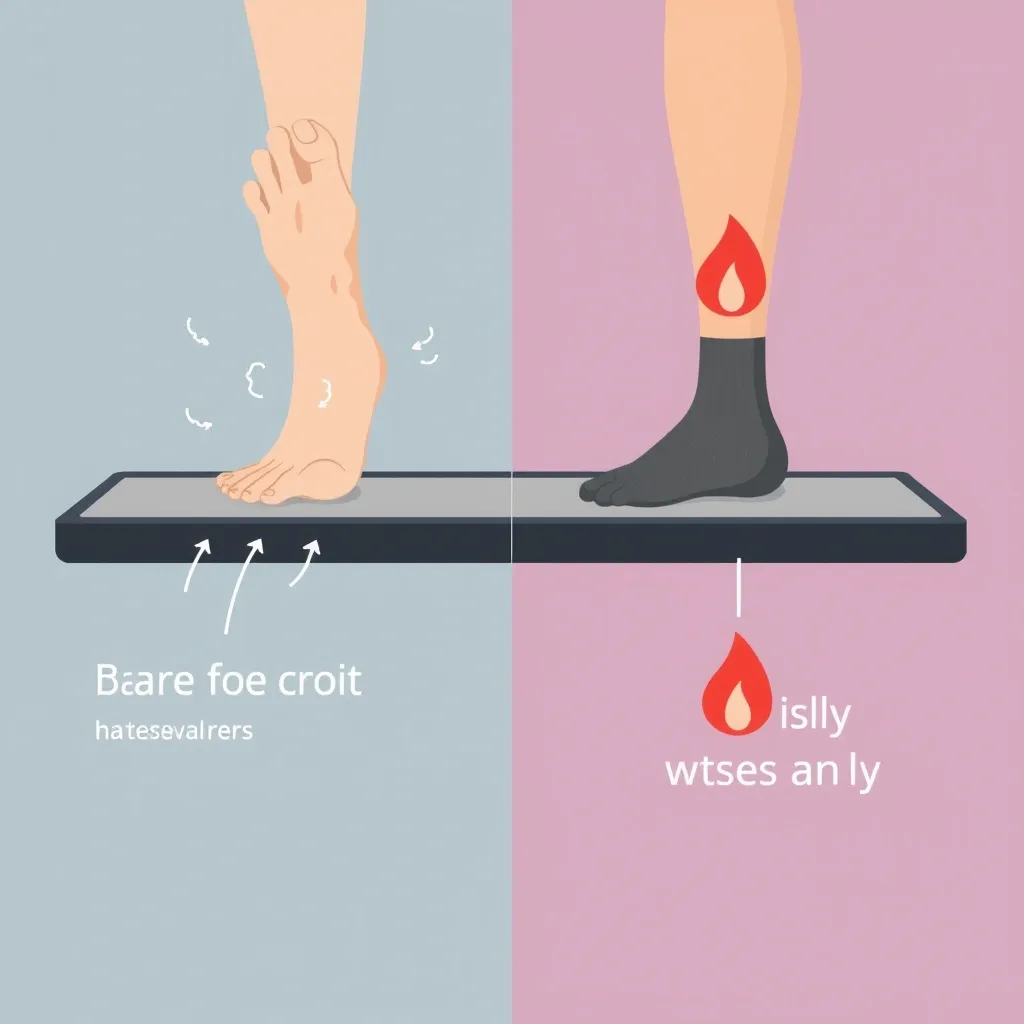
Barefoot gives you better sensory feedback — you feel the belt surface more directly, so your foot adjusts its position naturally. But bare feet still lack cushioning and arch support.
The belt's instability adds a wobble that your foot muscles have to constantly correct. Over a long walk, that constant micro‑adjustment fatigues your foot and ankle, increasing injury risk.
Also, bare skin on a moving belt creates a different kind of friction than socks. The belt is warmer, and sweat makes your foot stick then slip.
This can cause friction blisters just as easily as socks can. Neither barefoot nor socks is safe for regular use.
Do Grip Socks or Compression Socks Change the Equation?
Grip Socks
Yoga socks with silicone dots on the bottom offer slightly better traction than regular socks. They reduce slipping and might feel more secure.
But they still provide zero arch support or heel cushioning. The dots can also wear off quickly when used on a walking pad belt, leaving you with bare spots that lose grip.
Grip socks are fine for yoga or Pilates on a mat. On a moving belt, they are a weak substitute for shoes.
Compression Socks
Compression socks improve blood flow and can reduce leg fatigue. They help if you stand or walk for long periods. However, they do not stabilize your foot.
The compression sleeves stop at the ankle — your arch and heel remain unsupported. You can wear compression socks under your shoes.
Wearing them alone on a walking pad still leaves your feet vulnerable to overpronation and impact.
When Socks Might Be Acceptable (Very Limited Conditions)
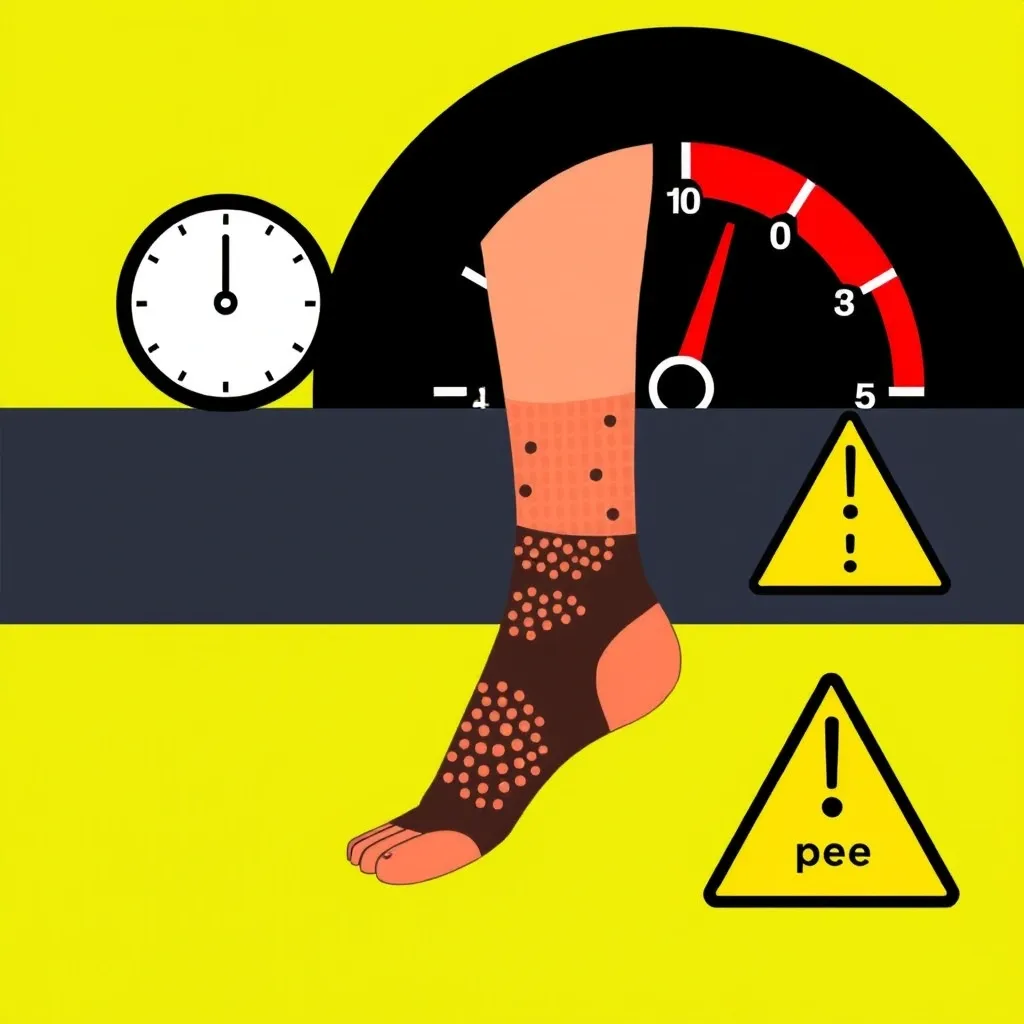
I hesitate to give any green light here, but for people with healthy feet who understand the risks, there is a narrow window where socks could work:
- Speed: Below 1.5 mph (very slow walking). At this pace, the belt moves gently, and your foot does not slam down with each step.
- Duration: Less than 10–15 minutes.
- Surface: Use a thick cushioned mat under the walking pad — not on the belt itself. The mat adds some shock absorption.
- Sock type: Grip socks with intact silicone dots. Avoid cotton socks; they absorb sweat and cause more friction.
- Foot health: No history of plantar fasciitis, flat feet, high arches, or neuropathy. If your feet are healthy and strong, the risk is lower but still present.
Even under these conditions, you are trading safety for convenience. Most people are better off just putting on shoes.
The Ideal Footwear for Walking Pads
You do not need heavy running shoes. Look for:
- Lightweight and flexible: A walking pad's short deck does not allow a long stride. Stiff shoes restrict ankle movement and cause choppy steps. Cross‑trainers or walking shoes work well.
- Good arch support: This is non‑negotiable. Your foot needs that spring to handle the repetitive impact.
- Breathable upper: Your feet will sweat even at low speeds. Breathable mesh prevents moisture buildup.
- Minimal drop: A heel‑to‑toe drop of 0–4 mm is ideal for a natural walking gait. Avoid shoes with a high heel lift (like some running shoes) because they alter your posture on a short belt.
- Grip sole: The sole should have enough traction to prevent sliding, but not so much that it grabs the belt and creates noise or resistance. Flat, smooth soles are fine — avoid deep lugs.
If you are a minimalist shoe user, your barefoot‑style shoes with thin soles (6 mm or less) can work on a walking pad — but only if you already have strong foot muscles and a history of barefoot walking.
Beginners should start with a shoe that has at least some cushioning.
The Walking Pad Belt: An Unseen Factor
Walking pads use a lightweight belt material — often PVC or a silicone‑coated fabric — that is designed to glide smoothly under a shoe's sole.
When you walk in socks, the belt experiences a different kind of friction. Socks create static friction because the fibers cling to the belt surface.
The motor has to work harder to keep the belt moving against that cling. Over time, this can strain the motor and cause premature wear.
Think of it like driving a car with the parking brake slightly on. The engine works harder, heats up, and parts wear out faster.
For a walking pad, that extra load can reduce the motor's lifespan by months.
Engineers at one major walking pad brand told me they specifically warn against sock use in the manual because of motor overheating issues they saw in warranty claims.
Risk Profiles for Different Foot Types
The blanket "no socks" advice is correct for most people, but it helps to understand how your specific foot shape changes the risk.
| Foot Type | Risk With Socks | Why |
|---|---|---|
| Flat feet (pronators) | High | Arch collapses further without support, leading to plantar fasciitis and ankle strain. |
| High arches (supinators) | Medium to high | Socks increase pressure on the metatarsal heads (ball of foot). The lack of cushioning amplifies shock. |
| Plantar fasciitis sufferers | High | Any walking on a belt without arch support aggravates the inflamed fascia. Even cushioned socks with arch bands are a temporary stopgap, not a solution. |
| Neuropathy (reduced sensation) | High | You cannot feel early warning signs of friction or injury. Shoes are mandatory to protect against unnoticed damage. |
| Healthy feet with strong intrinsics | Low (but still present) | If you have good arch strength and no history of injury, socks might be tolerable in very short sessions. But you still risk blisters and machine wear. |
What the Pros Say

I asked three experts for their take:
- Podiatrist: "Socks remove the structural foundation your foot needs. I see patients weekly who develop heel pain from walking on home treadmills in socks. The short deck and thin belt make it worse. You can't fix the foot without addressing the footwear."
- Physical therapist: "Gait mechanics change when the foot is unsupported. The ankle wobbles more, the knee rotates, and the hip compensates. It's a chain reaction. Socks on a belt amplify instability compared to walking on solid ground."
- Treadmill engineer: "The motor and belt are calibrated for shoe traffic. Socks add friction that the system wasn't designed for. We see higher motor failure rates in units used with socks. It's a mechanical mismatch."
The consensus is clear: shoes are the safe choice.
Frequently Asked Questions
Can I use a walking pad in compression socks?
Compression socks improve circulation but do not provide arch support or foot stability. They can be worn under shoes, but wearing them alone on a walking pad still risks injury.
If you want the blood flow benefit, wear compression socks with your walking shoes.
Will walking barefoot on a walking pad give me better arch strength?
No. The belt's moving surface forces your foot into unstable positions that your arch has to fight against. This can lead to strain, not strengthening.
Barefoot walking on solid ground (like a flat carpet or grass) is safer for building foot strength because the surface is stable.
How do I clean my walking pad if I have used socks?
Wipe the belt with a damp cloth and a mild soap (like dish soap). Avoid soaking the belt — use a barely damp cloth. Let the belt dry fully before your next use.
Check the motor housing for moisture or debris buildup. If you have used socks for a while, consider a deeper clean: remove the belt (if your model allows) and clean the underside.
A protective mat under the pad can also reduce dirt transfer.
Is it safe to walk on a walking pad in socks if I'm only standing (no walking)?
Standing still is less risky than walking, but the foot still needs support. If you must stand in socks, use a padded anti‑fatigue mat on top of the belt — but ensure the mat does not slip.
The mat adds cushioning and reduces direct friction. However, standing still on a moving belt still engages your stabilizer muscles, so a short duration (under 10 minutes) is safer.
Can I wear shoes with a soft sole like minimalist shoes on a walking pad?
Yes, provided the sole is not too thin (less than 6 mm) and has good grip. Minimalist shoes can work if you already have strong foot muscles and a natural walking gait.
Beginners should avoid minimal shoes on a walking pad — start with a shoe that has at least 8 mm of cushioning plus arch support.
The belt's instability amplifies the demands on your foot, so don't jump into minimal footwear without preparation.
Final Thoughts
Walking in socks on a walking pad is a shortcut to foot pain and machine damage. The simple fix is to keep a pair of lightweight walking shoes by your desk.
If you really want to use socks — maybe for a quick 5‑minute stretch at low speed — limit it to rare occasions and check your feet afterward.
But for any regular walking routine, do your feet and your machine a favor: wear shoes. Your arches will thank you.