
Does Your Walking Pad Ruin Your Floor? Here Is What I Have Learned.

I remember unboxing my first walking pad. I was excited to finally move while I worked. But then a cold thought hit me: is this machine going to wreck my new laminate floor?
I had spent good money on that floor. The idea of scratching it with a belt or crushing it with weight made me stop and rethink everything. You do not need to guess.
I have spent the last three years testing different setups on various floors, both for myself and for friends.
Here is what actually happens to your floor when you use a walking pad, and how to stop the damage before it starts. The simple truth is that a walking pad can damage your floor.
But the type of damage, and whether it happens at all, depends on exactly where you put it and what you put under it.
Damage includes dents, scratches, flattened carpet fibers, belt marks, and even heat marks. Let me walk you through every common floor type and give you the real fix.
How Hardwood and Engineered Wood Floors React
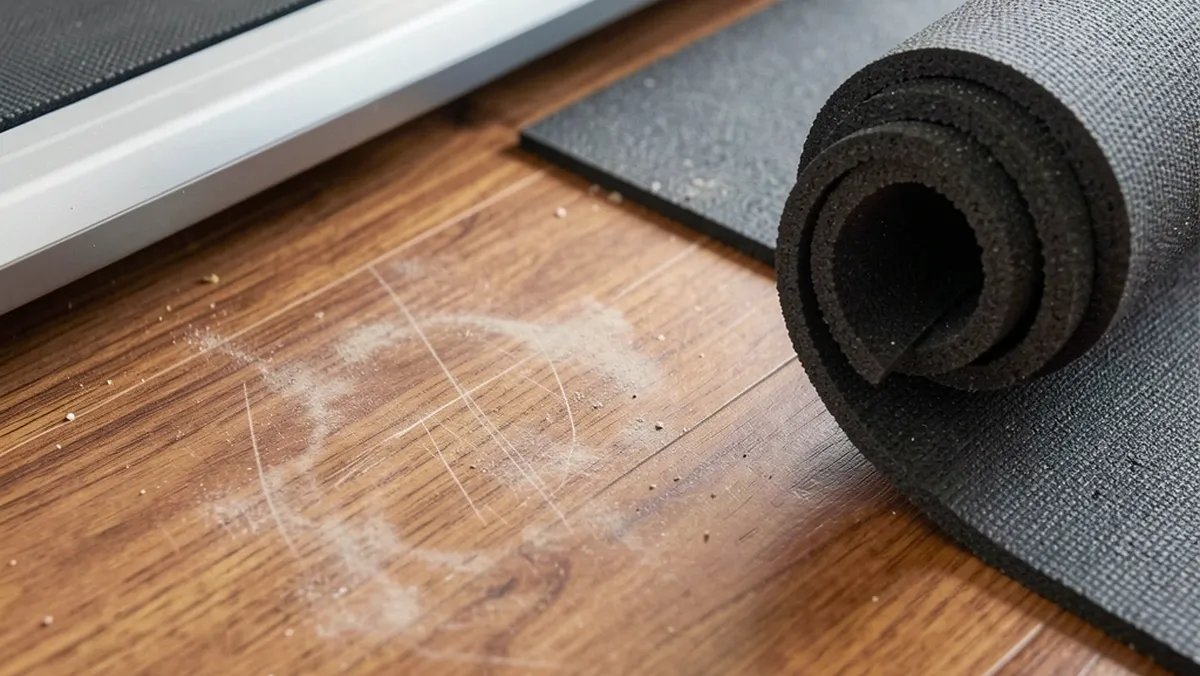
If you have hardwood, you already know it is soft. It scratches if you look at it wrong. A walking pad makes things worse because you are not just standing still. The belt moves, and so do you.
This movement grinds tiny bits of dust and dirt into the wood finish. Over time, that creates a fine scratch pattern right under the belt. I saw this on a friend’s floor.
He placed his walking pad directly on the hardwood without a mat. After two weeks, the area under the belt looked cloudy. It was not a deep scratch, but the finish was dulled. It would not buff out.
The other issue is moisture. A rubber mat that does not breathe can trap sweat or humidity against the wood. The wood underneath the mat can swell or discolor. You need a mat that allows air to flow.
I use a dense, closed-cell foam mat that is only 2mm thick. It protects the floor from scratches and lets air move so moisture does not build up.
Here is what you should do for hardwood or engineered wood:
- Always sweep or vacuum the floor right before you use the walking pad. Grit is the enemy.
- Choose a mat that is 2mm to 4mm thick and non-slip on both sides. Avoid recycled rubber mats that have a strong smell as they can mark the floor.
- Do not use a thick exercise mat that lifts the walking pad off the ground. That changes the belt tension.
- Rotate the pad location every few days so the weight is not always in one spot.
Laminate and Luxury Vinyl Plank Flooring Is Tricky
Laminate is a floating floor. It clicks together and sits on top of a foam underlayment. When you put a heavy walking pad on it, the weight presses down.
If the pad feet are small or the whole pad is heavy, you can create permanent indentations in the laminate surface. I have seen this happen with a 50kg walking pad.
After a month of daily use, you could see two shallow dents where the feet sat. Luxury vinyl plank is more forgiving, but it can still dent if the pad feet are narrow.
The bigger problem on both is scratching. The belt can pick up tiny pieces of debris that then scratch the wear layer.
On a floating laminate floor, the vibration from walking can also cause the planks to shift slightly over time. This can make the seams lift or gap. You need to stabilize the base.
Here is the method that works:
- Place a large plywood board under the mat. I use a 60cm by 90cm piece of 12mm thick plywood. This spreads the weight evenly.
- Put a dense mat (2mm to 4mm thick) on top of the plywood. This stops the pad from sliding and protects the laminate surface.
- If you cannot use plywood, then use a mat rated for heavy equipment. Make sure it is wide enough to extend past the walking pad feet by at least 10cm on each side.
- Check the pad feet diameter. If they are less than 5cm wide, add wider rubber feet or the plywood base.
Ceramic and Porcelain Tile Floors Can Crack
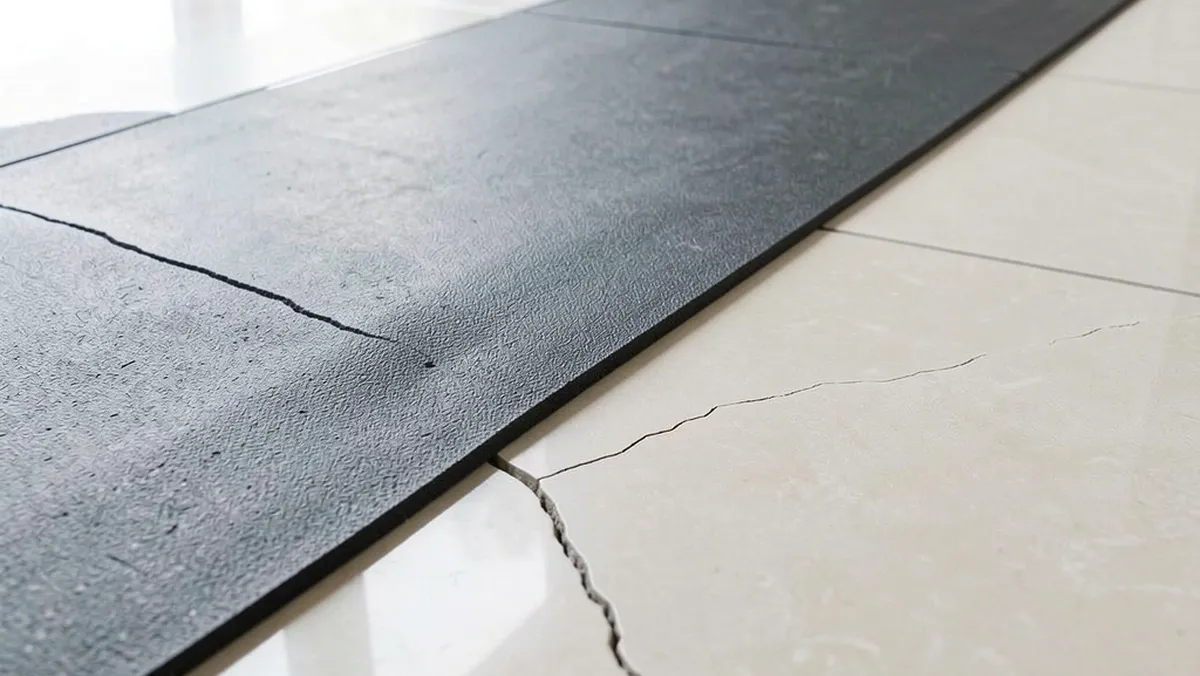
Tile is hard, but it is brittle. If a walking pad has small, hard feet and the pad is heavy, all that weight gets concentrated onto a few tiny points.
On a tile floor, especially if there is any hairline crack you did not see, that concentrated load can crack the tile.
I have seen a crack run right through a floor tile after someone placed a heavy walking pad on it for two weeks. Vibration also matters.
The walking motion creates a regular thumping that can work on grout joints over time. Loose grout can then let moisture in. Here is how you protect tile:
- Use a wide, shock-absorbing mat. At least 6mm thick, but solid rubber, not soft foam.
- Look at your tile floor closely before placing the pad. If you see any hairline cracks, do not put the pad there.
- Place the mat on a smooth, flat surface. Do not put the mat on a high spot or uneven grout.
- If the pad has very small feet (less than 2cm diameter), add a 1cm thick plywood base under the mat.
What Happens on Carpet
Carpet is a completely different problem. The walking pad does not hurt the carpet as much as the carpet hurts the walking pad. The biggest issue is the belt catching on long carpet fibers.
This can shred the carpet and also damage the belt. Heat is another problem. The carpet traps heat under the motor and electronics, which can burn out the walking pad in a single long session.
Low-pile carpet like berber is safer. The fibers are short and tight. You can use a walking pad on low-pile carpet if you put a dense mat underneath.
The mat keeps the belt from touching the carpet fibers directly. High-pile or plush carpet is a disaster. The belt sinks into the fibers. The motor works harder.
The carpet pile flattens under the weight. I have seen a walking pad ruin a plush carpet in three weeks. The area under the pad looked like a different, flattened carpet. Here is the rule:
- Only use a walking pad on low-pile carpet (less than 10mm pile height).
- Always use a dense mat that is at least 5mm thick. This prevents the pad from sinking into the carpet.
- If you have to use a pad on plush carpet, put a thin plywood board on the carpet first, then the mat. The plywood creates a solid base.
- Never use the pad without a mat, even on low-pile carpet.
Why a Generic Rubber Mat Usually Fails
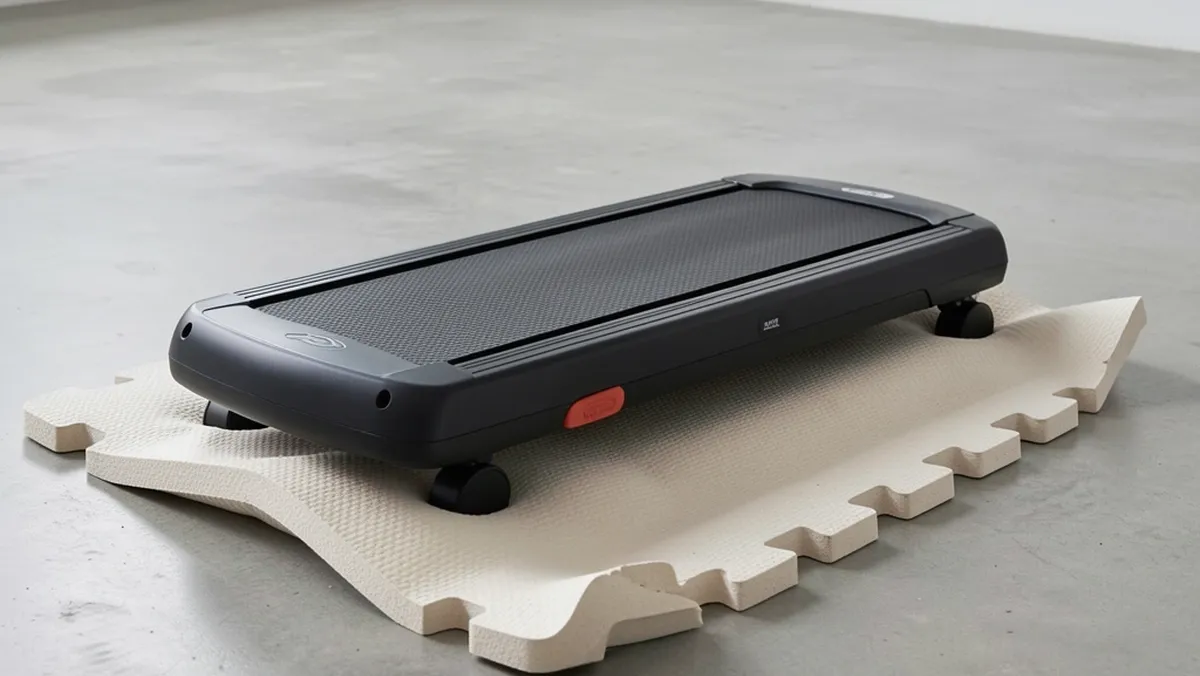
Most advice online says go buy a rubber mat. But not all rubber mats are the same. I bought a cheap, corrugated puzzle mat made of soft foam. It squished flat under the walking pad. The pad wobbled.
The motor sounded strained. I threw it away after a week. A good mat must have three things:
- Right thickness. 2mm to 4mm for hard floors. 5mm to 6mm for carpet. Too thin and it does nothing. Too thick and it lifts the pad off the ground.
- High density. The mat should not compress more than 1mm under your weight. Look for high-density PVC or solid rubber rated for heavy equipment.
- Non-slip on both sides. The pad should not slide on the mat, and the mat should not slide on the floor.
Avoid mats made from recycled rubber that smell like a tire shop. The volatile chemicals in that rubber can stain or discolor your floor, especially on vinyl or laminate.
How Weight Changes the Risk
The damage risk is not just the walking pad weight. It is you standing on it. Total weight equals pad weight plus your body weight.
If you weigh 80kg and the pad weighs 30kg, that is 110kg of force on the floor. If those feet are only 4cm wide, the pressure is high enough to dent laminate or crack tile.
Here is a quick table to help you check your setup:
| Total Weight (Pad + You) | Floor Type | Risk Level Without Mat | Recommended Protection |
|---|---|---|---|
| Under 80 kg | Hardwood or Laminate | Low | 2mm dense mat |
| 80 kg to 120 kg | Laminate or Tile | Moderate | 2mm mat + plywood base |
| Over 120 kg | Any hard floor | High | 3mm dense mat + plywood base |
| Any weight | Plush carpet | Very High | Plywood board under mat |
If your pad feet are narrow, add a larger base. A 60cm by 90cm mat spreads the weight over a much bigger area and reduces pressure.
Common Damage Scenarios You Should Know
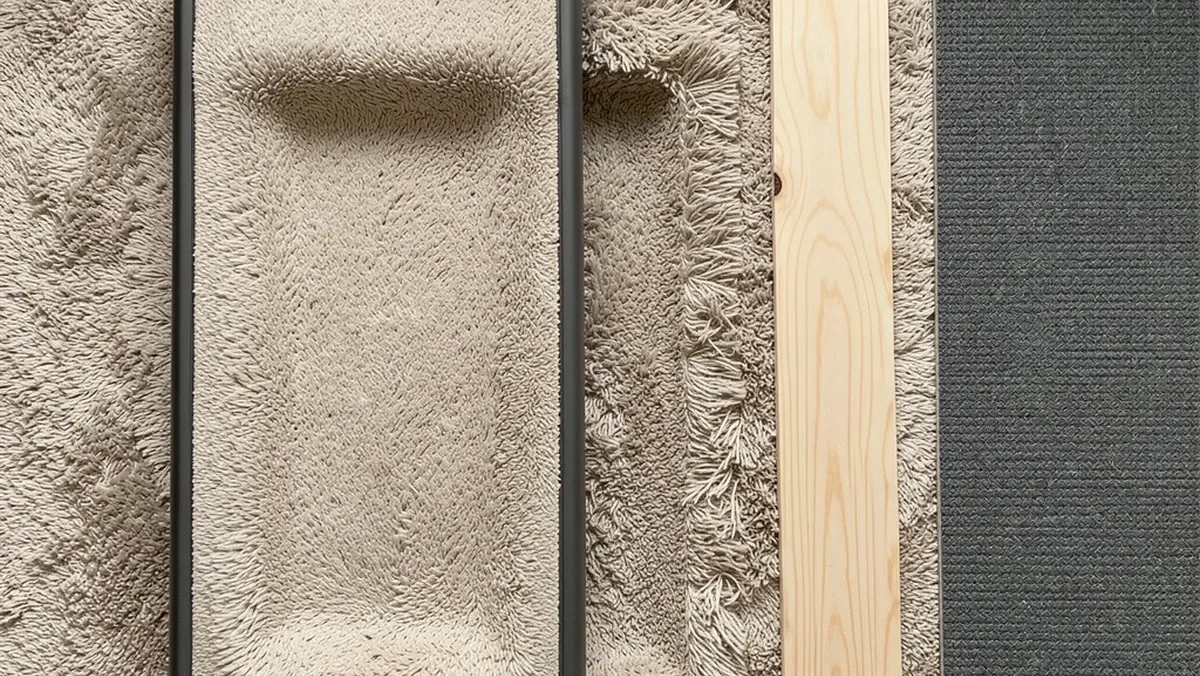
These are the most common ways I have seen floors get damaged by walking pads, and the direct solution for each.
Thick carpet without a mat: The belt catches fibers, the motor overheats, and the carpet pile flattens permanently. The fix is a thin plywood board under a dense mat.
Dirty floor under the pad: Fine sand grinds the finish off hardwood or scratches laminate. The fix is sweeping or vacuuming before every use.
It sounds small, but it makes the biggest difference. Pad left in one spot for weeks: Static weight flattens carpet pile or creates pressure dents on vinyl.
The fix is rotating the pad location every two to three days. Small pad feet on tile: Concentrated weight can crack a tile. The fix is adding wide rubber feet or a plywood base.
Frequently Asked Questions
Does using a rug instead of a mat prevent damage on hardwood?
No. Rugs are too thin and can shift, which causes scratches on hardwood. You need a dedicated equipment mat that stays in place.
Can a walking pad damage cement floors?
Surface scratching is possible if debris gets trapped under the pad. There is no structural damage to cement. A mat is optional, but it will help keep the floor clean and prevent scratches.
Will a walking pad damage a carpet if I place it on a wooden board first?
The board itself can damage the carpet if it slides or has rough edges. Use a smooth, non-skid board. Place a thin mat underneath the board to protect the carpet from scratches.
How long before carpet damage appears?
Flattening of the carpet pile can occur after two to four weeks of daily use. Overheating damage like melting or motor burnout can happen in a single 30-minute session on thick carpet.
Is scratching the only damage on hardwood?
No. Moisture from sweat or humidity trapped under a non-breathable mat can discolor or swell the wood. Always use a mat that allows air circulation.
Does warranty cover floor damage from a walking pad?
Rarely. Most walking pad warranties only cover defects in the machine, not damage to your flooring. Check your home insurance policy for accidental damage coverage.