Are Walking Pads Good for Jogging

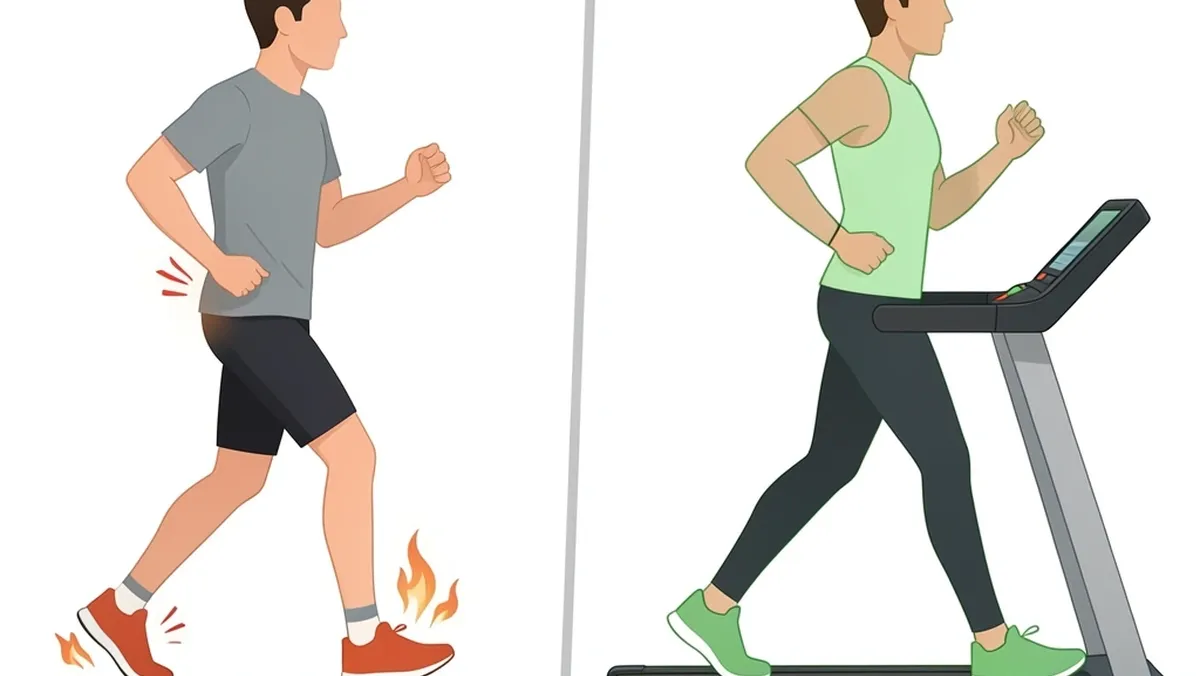
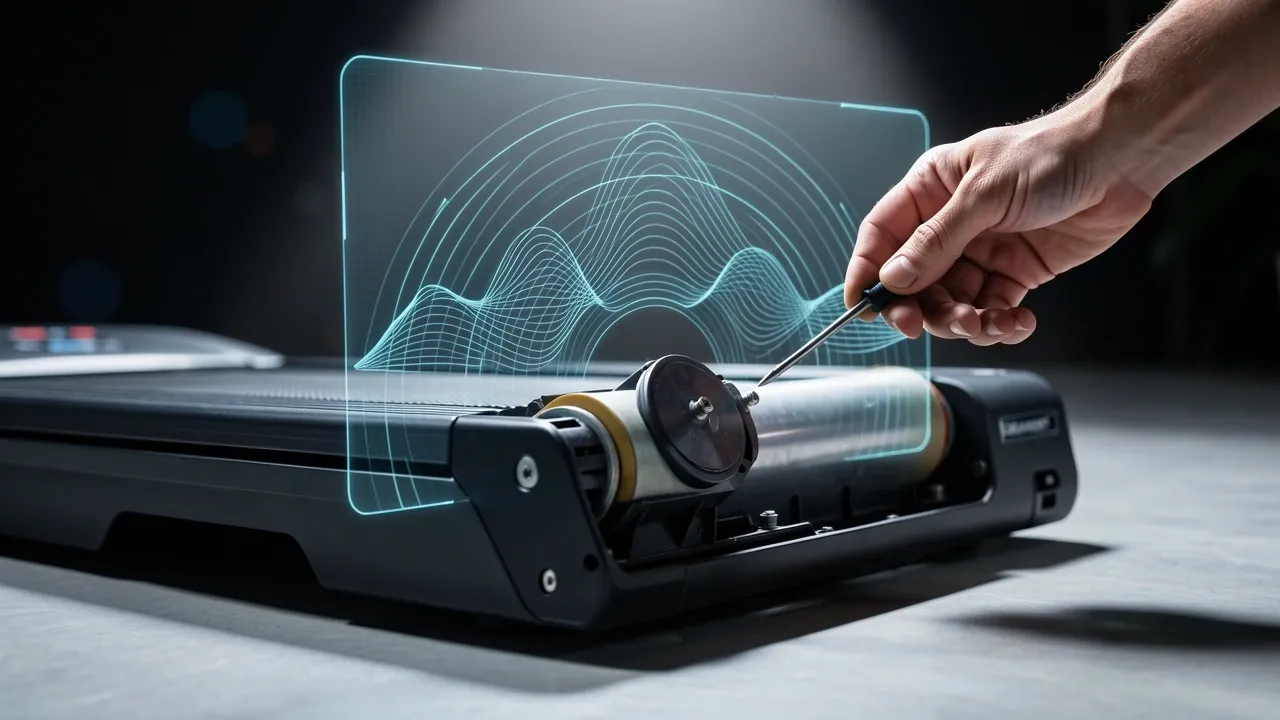
No, most walking pads are not good for jogging. I have tested several models and repaired a few for friends. The reality is that walking pads are built for speeds under 4 mph.
Jogging needs at least 4.5 to 6 mph. The motors, belts, and decks on standard walking pads simply cannot handle the impact and sustained load of jogging.
Use one for jogging and you risk injury, damage to the machine, and a voided warranty. That said, a small group of hybrid devices do exist that blur the line between walking pad and treadmill.
I will cover those too.
Where Walking Pads and Jogging Mechanically Diverge
The difference comes down to three parts of the machine: the motor, the belt, and the deck. Let me break each one down based on what I have seen in the field.
Motor wattage thresholds
Walking pads typically use a motor rated between 1.0 and 2.0 CHP (continuous horsepower). That is fine for keeping a belt moving at 2 to 4 mph under a steady walking load. But jogging doubles the load.
Your foot strike at a jog delivers roughly three times your body weight on each step. A 2.0 CHP motor working at full speed for 30 minutes of jogging will overheat.
I have replaced two burned-out walking pad motors for customers who tried to jog on them. The motors are simply not designed for that duty cycle.
Belt dimensions reality check
Most walking pad belts are 40 inches long and 16 inches wide. Your average jogging stride requires at least 50 inches of belt length.
If you have a natural stride of 48 inches, the belt will run out before your foot lands. That forces you to take shorter, choppier steps.
Your hips and knees compensate, and over time that leads to strain. I have seen runners develop hip flexor pain from trying to jog on a short belt. The width matters too. A 16-inch belt is narrow.
Your feet land close to the edges, which increases the chance of stepping off.
Deck construction differences
Walking pads use thin decks, often half an inch or less, with little to no cushioning.
A jogging treadmill deck is at least three-quarters of an inch thick and includes a cushioning layer to absorb shock. When you jog, your body absorbs impact forces of three to five times your weight.
A thin deck transmits that force straight into your joints. I have walked on pads that felt firm but comfortable, but the same deck under a light jog felt jarring.
The lack of shock absorption is a real issue for your knees and lower back.
The Hidden Risks of Jogging on a Walking Pad
Beyond mechanical limitations, there are risks you might not think about until something goes wrong.
Lower body injury mechanisms
Because the belt is short, you cannot take a full stride. Your body adapts by shortening your step at the hip rather than extending your leg behind you.
That puts extra load on your hip flexors and reduces engagement of your glutes and hamstrings. Over a few weeks, this altered gait can lead to runner's knee, IT band syndrome, or Achilles tendonitis.
I once helped a friend recover from a strained calf that happened exactly this way. He tried to jog on a cheap walking pad for two weeks, and his calf was tight for months.
Equipment failure scenarios
I have seen three types of failure when people jog on walking pads. First, the motor overheats and shuts down mid-session.
Second, the belt slips under the higher torque, causing a sudden jerk that can throw you off balance. Third, the frame wobbles. Walking pads are light and compact.
The frame is not reinforced to handle the lateral forces of jogging. A wobbling machine makes every step unstable.
Invalidation of warranties
Almost every walking pad manual includes a clause that says the machine is for walking only. Using it for jogging or running voids the warranty. Check your model's fine print.
If the motor burns out or the belt tears, the manufacturer will refuse to cover it. I have seen that happen to two people who assumed their warranty covered any use.
Which Walking Pads Can Actually Handle Jogging
Not every walking pad is useless for jogging. A small category of devices exists that I call hybrid walking treadmills. They look like walking pads but have the internals of a real treadmill.
The crossover category
These machines are often sold as under-desk treadmills or walking treadmills with jogging capability.
They sit lower than a traditional treadmill (under 10 inches when folded) so they still fit under a desk. But they use motors of 2.5 CHP or more, belts of 48 to 55 inches, and top speeds of 5 to 6 mph.
The decks are thicker and include cushioning.
Specific capability benchmarks
If you want one machine that does both walking and jogging, look for these minimum specs:
- Motor: 2.5 CHP or higher (continuous horsepower, not peak)
- Belt length: 48 inches or more
- Top speed: 5 mph or more (ideally 6 mph)
- User weight capacity: 300 pounds or more
- Deck thickness: at least 0.75 inches with cushioning
- Frame warranty: 5 years or longer
Brands and models to evaluate
I have seen the UREVO E5 Pro and the WalkingPad R2 meet these benchmarks. The UREVO model has a 2.5 CHP motor and a 48-inch belt with a top speed of 5 mph.
The R2 has a slightly longer belt and reaches 6 mph. Both have reinforced frames. But do not buy based on brand name alone. Check the spec sheet against the list above.
If the manufacturer hides the motor rating or belt length, move on.
Alternative Approaches for Jogging at Home
Maybe you already own a standard walking pad and want to jog without buying a new machine. Here are three ways to handle that.
Option A: Budget-friendly jogging treadmill
A traditional folding treadmill with a 2.5 CHP motor and a 55-inch belt costs around $400 to $600. That is not much more than a premium walking pad.
The difference is that the treadmill is built for jogging from day one. The walking pad was never meant for that. If jogging is your goal, the treadmill is the better investment.
Option B: Outdoor transition strategy
Use your walking pad for warmup walks and cooldown walks. Then do your actual jogging outside.
That way you get the convenience of indoor walking on bad weather days and the full stride range of outdoor jogging on good days. Your walking pad stays in its intended role.
Option C: Interval hybrid approach
If you absolutely cannot jog outside, you can still use the walking pad for cardio.
Walk on it at its highest speed (usually 4 mph) for three to five minutes, then step off and do high-knees, butt kicks, or lateral shuffles for one minute.
That keeps your heart rate up without needing the belt to move faster than it should. It is not jogging, but it gets you a similar workout effect.
Can You Train for a Running Event Using Only a Walking Pad
No. A walking pad cannot deliver the cardiovascular stimulus needed to train for a 5K or longer race. The 4 mph speed cap limits your heart rate to zone 1 or low zone 2 for most people.
Real race training requires zone 3 and zone 4 work. You cannot reach those zones at walking speed unless you are extremely unfit.
However, a walking pad works well for recovery walks between run sessions or for building walking base mileage before you transition to jogging.
If your goal is to run a race, you need a real treadmill or outdoor running.
What the Motor Spec Sheet Does Not Tell You
The motor horsepower number is only part of the story. Here are two things that matter more than the peak rating.
Duty cycle ratings
Most walking pad motors are rated for intermittent duty. That means they can run for 30 to 60 minutes before needing a rest. Jogging heats up the motor faster.
If you try to jog for 45 minutes straight on a walking pad, the motor may overheat and shut down.
Real treadmill motors are rated for continuous duty, meaning they can run at full speed for hours without issues.
Belt friction and maintenance
The bearings and belt surface on a walking pad are designed for low-speed walking. At jogging speeds, friction increases significantly.
The belt wears faster, and the bearings can fail within a few months. I have replaced the belt on a walking pad that was used for jogging for only two months.
The belt was frayed and the bearings felt rough. A walking pad used only for walking would last years before needing that service.
Frequently Asked Questions
Can I jog on a walking pad if I am lightweight?
Weight is a factor, but it is not the only one. A 120-pound person with a long stride still exceeds the belt length.
The motor still has to sustain a higher torque to keep the belt moving at jogging speed under impact. Even lightweight joggers risk injury from the short belt and thin deck.
Is 4 mph jogging or fast walking?
Four miles per hour is a 15-minute mile pace. For most adults, that is fast walking. You begin to jog naturally around 4.5 to 5 mph. At 4 mph, your gait is inefficient.
You are too fast for a comfortable walk and too slow for a comfortable jog.
Will jogging on a walking pad void the warranty?
Almost certainly yes. The warranty covers walking only. Check the intended use clause in your manual. If it says walking only, jogging voids coverage.
What speed do I need to actually jog on a treadmill?
Minimum 4.5 mph for a light jog, 5 to 6 mph for a sustained jog, and 6 mph or more for running. Most walking pads cap at 4 mph, so they cannot deliver jogging speed.
Can I modify my walking pad to handle jogging?
I do not recommend it. Modifications void warranties, create electrical hazards if you upgrade the motor, and may destabilize the frame.
The integrated controller boards are not designed for higher power output. You could cause a fire risk.
How is a hybrid walking pad different from a regular treadmill?
A hybrid walking pad fits under desk height (under 10 inches folded) like a walking pad but has a treadmill-grade motor (2.5 to 3.0 CHP), a longer belt (48 to 55 inches), and a speed range up to 6 mph.
A regular treadmill is taller and heavier but offers a longer belt and higher speeds.
What should I look for if I want one machine for walking and jogging?
Target these minimum specs: 2.5 CHP motor, 48-inch belt length, 300-pound user capacity, 5 mph top speed, deck cushioning, and a frame warranty of 5 years or more.
Ignore any machine that hides these numbers.