The Best Types of Shoes to Wear on an Under Desk Treadmill

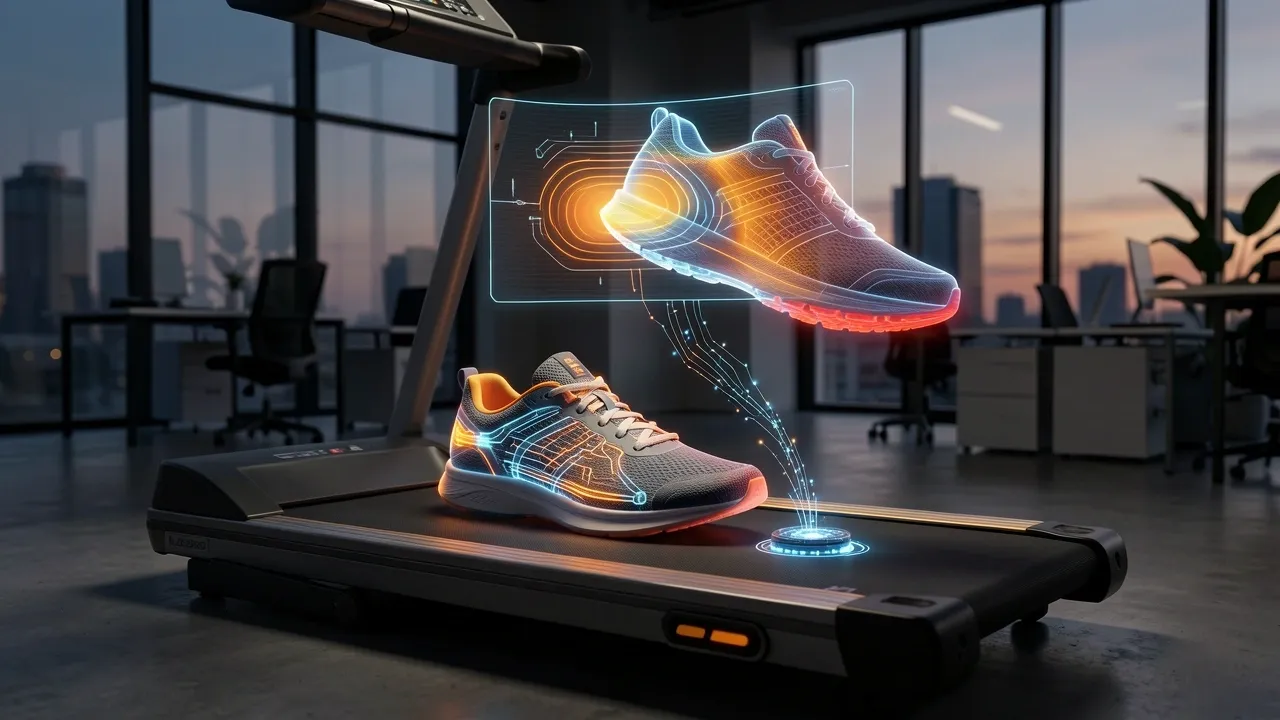
An under-desk treadmill is not a treadmill. It's a low-speed workstation tool that happens to have a belt underneath your keyboard.
The average walking pad tops out around 2 miles per hour, which means your feet spend hours doing something closer to standing than running. That one difference changes everything about footwear.
After walking on these machines for years and testing dozens of shoe styles in the process, I can tell you the answer plainly: the best types of shoes to wear on an under desk treadmill are lightweight, low-drop walking shoes or cross-trainers with flexible soles and a slim profile.
Running shoes, the default advice you'll find almost everywhere, are actually one of the worst choices for this specific setup.
This article breaks down exactly which shoe types work, why running shoes fail at slow speeds, and how to pick the right pair for your feet and your workday.
The Shoe Types that Work Best on a Walking Pad
Not every sneaker belongs on a walking pad. The belt surface is smooth, the pace is slow, and you're standing in one place for hours.
Here are the four shoe categories that handle those conditions well.
| Shoe Type | Why It Works | Best For | Avoid If |
|---|---|---|---|
| Lightweight Walking Sneakers | Built for compression at low impact, with a flexible forefoot that rolls naturally with each step. They keep your foot close to the belt and don't introduce unnecessary bounce. | Long workdays, people who want out-of-the-box comfort, anyone new to walking pads. | You have severe overpronation and need heavy motion control. |
| Cross-Training Shoes | Flat, stable, and firmer than running foam. The firmer midsole keeps you connected to the belt surface so your ankles don't work overtime stabilizing you. | People who want a one-pair solution for both the walking pad and light gym work. | You need maximum cushioning for existing joint pain. |
| Zero-Drop and Minimalist Shoes | Position your foot parallel to the belt, which keeps your hips stacked over your spine. The thin sole lets you feel the belt and make micro-adjustments naturally. | People who already walk barefoot at home or want to strengthen foot muscles. | You're not used to flat shoes yet or you have Achilles tightness. |
| Slip-On Office-Casual Sneakers | Let you transition from video call to walking session without fumbling with laces. Many look presentable on camera while still offering a flexible walking sole. | Anyone on frequent calls, open-office workers, people who step on and off the pad all day. | The sole is rigid or the design has a thick heel wedge. |
Within these four groups, the common thread is the same: a flexible sole, a low heel, and a snug enough fit that your foot doesn't slide around. The walking pad rewards feel over bulk.
What About Dedicated Walking Shoes
Some brands make shoes specifically labeled as "walking shoes." These are worth a look because they're designed for the heel-to-toe rolling motion of a natural walking stride rather than the explosive push-off of running.
They tend to have a lower heel drop than running shoes and a firmer midsole, both of which translate well to hours on a slow-moving belt.
Why Your Running Shoes Are the Wrong Fit for an Under Desk Treadmill
This is where most online advice gets it wrong. You'll see article after article telling people to grab their running shoes, and if you've tried that, you already know something feels off.
It's not in your head. There's a real reason running shoes feel unstable and awkward at one mile per hour, and I call it the slow-speed paradox.
Running shoes are engineered for impact at speeds above six miles per hour.
Every design choice, from the elevated heel to the rockered sole, exists to help you land, roll, and push off at a pace your body barely experiences on a walking pad.
Take those same shoes down to a slow shuffle and the design works against you.
The Heel-Drop Problem
Most running shoes have a heel-to-toe drop between 8 and 12 millimeters. The heel sits higher than the forefoot, which tilts your hips slightly forward.
When you're running, that tilt helps you stay on the balls of your feet. When you're standing upright at a desk typing, it tilts your pelvis and pulls your lower back into an arched position.
Hold that posture for two hours and you'll feel it in your lumbar spine, not your feet.
The Stability Problem
Max-cushioned running shoes use wide, rocker-shaped soles that propel you forward. On a low-speed belt, that rocker shape creates a point of instability.
Your ankle muscles fire constantly just to keep you level, and by hour three, your calves feel like you've been balancing on a wobble board.
A flatter, firmer shoe gives your foot a stable platform to stand on.
The Ergonomics Problem
Bulky running soles raise your standing height by a noticeable amount. Let's say your desk is set up perfectly for a barefoot or thin-soled stance.
Add a running shoe with 30 millimeters of stack height and suddenly your elbows are sitting too high relative to your keyboard.
That small change can cause wrist strain and shoulder tension over a full workday.
The solution isn't readjusting your desk every time you change shoes; it's choosing a shoe that keeps you close to your original height.
The Physical Fit Problem
Compact walking pads have narrow belt surfaces tucked inside plastic side rails. Chunky running shoes, especially modern max-cushion models, are wide at the outsole.
When your foot is wider than the belt deck, the side of the shoe drags against the plastic housing with every step.
You'll hear it immediately, and over time, that friction wears down the shoe and stresses the treadmill frame.
The 4 Essential Features of a Treadmill Desk Shoe
Once you understand why running shoes fail, you can evaluate any pair of shoes against a simple checklist. These four features matter more than brand names or price tags.
1. A Flexible Forefoot
Bend the toe box with one hand. If it takes real effort to flex the shoe at the ball of the foot, it's too stiff. On a walking pad, your foot rolls through each step at a slow, deliberate pace.
A rigid sole forces your foot to fight the shoe with every stride, which causes fatigue in the arches and toes by mid-afternoon. The shoe should bend easily and spring back.
2. Low Heel-to-Toe Drop
Look for a drop between 0 and 6 millimeters. This keeps your foot parallel to the belt, your hips stacked, and your posture neutral while you type. If the product page doesn't list the drop, skip it.
A manufacturer that hides this spec probably doesn't design for walking mechanics.
3. Breathable Upper, Not Waterproof
Your feet swell and sweat when they're gently moving all day. Mesh uppers allow air to flow and moisture to escape.
Leather, Gore-Tex, and waterproof membranes trap heat and humidity, which leads to blisters and that unpleasant "wet sock" feeling by the end of the day. Save the weatherproof boots for the outdoors.
4. Smooth or Semi-Slick Outsole
Flip the shoe over and look at the tread pattern. Deep lugs, the kind you find on trail runners and hiking boots, create concentrated pressure points on the walking pad belt.
They also pick up grit and pebbles that grind into the belt surface and get pulled into the motor housing. A flat, smooth rubber outsole spreads your weight evenly and keeps the belt clean.
Fitting and Sizing Your Walking Pad Shoes for Comfort
Getting the right shoe type is only half the battle. The fit needs to account for the fact that you'll be on your feet for hours, not minutes.
Here's how to approach sizing for the walking pad specifically.
Shop in the Afternoon
Your feet swell as the day goes on. The pair that fits perfectly at 9 a.m.
will feel tight and cramped by 3 p.m., and the walking pad makes that swelling worse because you're upright and moving continuously.
Try shoes on in the late afternoon or evening, when your feet are at their largest. If you're shopping online, order your usual size and test them after work hours before committing.
Leave Room in the Toe Box
Running shoes often fit snug through the toe, which is fine for forward motion.
Walking on a pad involves a different foot action: your toes splay slightly with each step to help you balance on the moving belt.
Your walking pad shoes should have about a thumb's width of space between your longest toe and the end of the shoe. If your toes hit the front of the shoe at any point, size up.
Measure Your Deck Width
This is a step nobody talks about, but it matters if you have wide feet. Measure the width of your walking pad belt and the width of the shoe outsole you plan to buy.
The shoe shouldn't extend beyond the belt surface. If it does, it will rub against the side rails on every step.
Wide-footed walkers should look for shoes with a wide toe box and a slim profile, rather than shoes that flare outward at the sole.
The Barefoot and Clean-Sock Debate on Walking Pads
The question comes up on every walking pad forum I've ever read: can I just walk barefoot or in socks? The answer is nuanced, and it depends on your setup, your health, and your tolerance for risk.
When It's Okay
Some walking pad manufacturers use a soft, textured rubber belt that's specifically designed for barefoot use.
If you have one of those, and you're walking at a slow pace under one and a half miles per hour in a private space, going barefoot can actually feel great.
The thin layer of belt rubber gives you just enough traction, and your foot gets to move naturally without any compression from a shoe.
Many zero-drop enthusiasts argue this is the most natural way to walk on a pad, and there's some truth to it for people with healthy feet.
When It's Dangerous
If you have plantar fasciitis, flat feet, or any existing Achilles or arch issues, walking barefoot on a hard deck is asking for trouble.
The pad's belt sits over a hard platform with no shock absorption.
Your plantar fascia is a dense band of tissue that doesn't stretch much, and hours of walking barefoot on a firm surface can aggravate it to the point of real pain.
The same goes for the tendons in your feet, which suddenly have to do all the support work your shoe's midsole was doing.
The Sock-Only Warning
Socks without shoes are the worst middle ground. The friction between a soft sock and a moving rubber belt creates heat.
At slow speeds, that heat builds gradually, and you might not notice until you feel a burning sensation on the ball of your foot.
I've seen people describe it as "treadmill burn," and it's exactly what it sounds like.
If you insist on sock-only walking, wear thick, tightly woven socks and keep the speed below one mile per hour so the belt doesn't slide against your skin.
The Belt Damage Factor
There's another side to this debate that rarely gets mentioned: what barefoot walking does to the treadmill itself.
The oils from your skin transfer to the belt surface, and over months, they can degrade the rubber polymer.
Dirt and dust from socks walked around the house act like sandpaper, grinding into the belt with every step. A clean shoe sole is actually gentler on the machinery than a bare foot or a dirty sock.
Shoe Upkeep and Workday Hygiene on a Walking Pad
Once you've found the right pair, a few habits will keep both the shoes and the treadmill in good shape for years.
Make Them a Dedicated Pair
Give your walking pad shoes a job and a job only. Don't wear them outside to grab the mail or walk the dog.
Outdoor shoes tracked onto the belt bring in dirt and tiny stones that embed in the rubber surface and eventually make their way into the motor assembly.
A dedicated indoor pair keeps the belt clean and the motor happy.
Choose Your Socks Wisely
If you're wearing minimalist shoes, consider a slightly cushioned sock to make up for the thin sole.
If you're in a walking sneaker, a compression sock can help with blood flow and reduce the heavy feeling in your legs after hours of standing.
Avoid cotton socks, which hold moisture and create friction against the heel and toes. Look for wool or synthetic blends that wick sweat away.
Swap in Insoles for Extra Support
If your arches need more support than your shoe provides, don't go buy a thicker, more cushioned shoe. That defeats the purpose of a stable walking platform.
Instead, remove the stock insole and replace it with a firm orthotic insole that matches your arch shape. This gives you support where you need it without adding height or instability.
In my experience, a good insole in a flat shoe beats an expensive cushioned shoe with generic arch support every single time.
Clean on a Schedule
Wipe down the belt surface once a week with a damp cloth and scrape off any visible debris. Also wipe the outsoles of your walking shoes.
Dust buildup is the number one cause of premature motor wear on under-desk treadmills, and it's entirely preventable with ten minutes of maintenance.
Frequently Asked Questions
Can I wear thick outdoor work boots if I walk on my pad for only 15 minutes a day?
You can, but I'd still advise against it. Work boots have rigid soles that won't flex with your stride, and the deep tread creates uneven pressure points on the belt.
Fifteen minutes is short enough that you probably won't hurt yourself, but the concentrated friction from the lugs can scuff the belt surface and leave permanent marks.
If you must wear boots, at least change into a flat indoor shoe for your walking session.
Why do my feet feel numb after 30 minutes on the walking pad?
Numbness on a walking pad usually comes from one of two things. The first is a shoe that's too narrow, compressing the nerves in your toes and the ball of your foot.
The second is the continuous low-speed rhythm, which can fatigue the muscles in your feet in a way that reduces blood flow. Try a wider toe box first. If that doesn't help, check your desk height.
When your hips are folded at too sharp an angle, it puts pressure on the nerves that run down your legs. Raise your chair or lower the desk so you're standing tall without tucking your hips.
Is it okay to wear the same walking shoes I use for my morning run?
It's not ideal, for a few reasons. Your running shoes are designed for impact and are likely too bouncy and high-arched for walking pad use. But there's also a hygiene issue.
Running shoes collect sweat, bacteria, and whatever you stepped on during your morning route. Bringing that into your indoor walking pad transfers it straight onto the belt, where it stays.
Get a separate pair for the pad. Your nose, your treadmill, and your feet will all thank you.
Should I buy a half-size larger for my under desk treadmill?
Only if your current size runs snug through the toe box. The natural foot-splay motion of slow walking needs a little extra room, but a full half-size up could create heel slip, which causes blisters.
A better approach is to find a shoe with the same length but a wider toe box.
Many brands now offer wide or "barefoot" last options that give your toes room to splay without changing the overall length of the shoe.
Will wearing Vans or Converse flat shoes work?
They're flat, which makes them better than running shoes, but they have two big problems.
First, the thin vulcanized rubber sole transmits vibration from the belt straight into your feet, and after a few hours, that constant low-level buzz makes your arches ache.
Second, those shoes have almost no shock absorption at all, so every step sends impact through your heels and knees. If you have no other option, they'll work for short sessions under an hour.
But they're a last resort, not a solution for all-day walking.