Does a Walking Pad Qualify for FSA? What You Need to Know

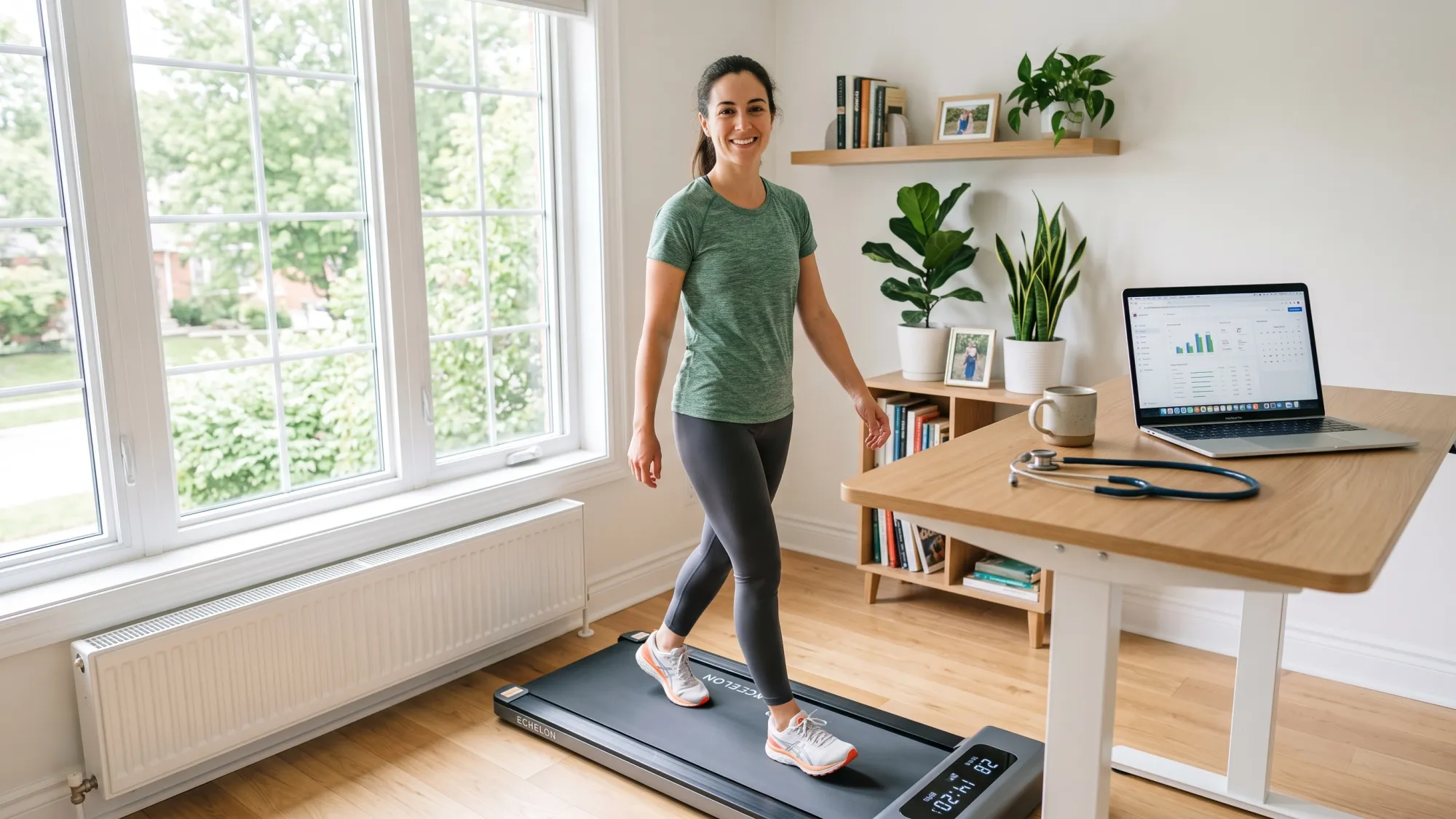
When I first looked into buying a walking pad with my FSA, I thought it would be a simple yes or no. It wasn’t. The answer is yes, but only if you follow the right steps.
A walking pad is not automatically an eligible expense the way a prescription drug is. The IRS has specific rules about exercise equipment.
Let me walk you through exactly how to make it work, so you don’t waste your pre-tax dollars or get a denial letter.
Can You Use FSA for a Walking Pad?
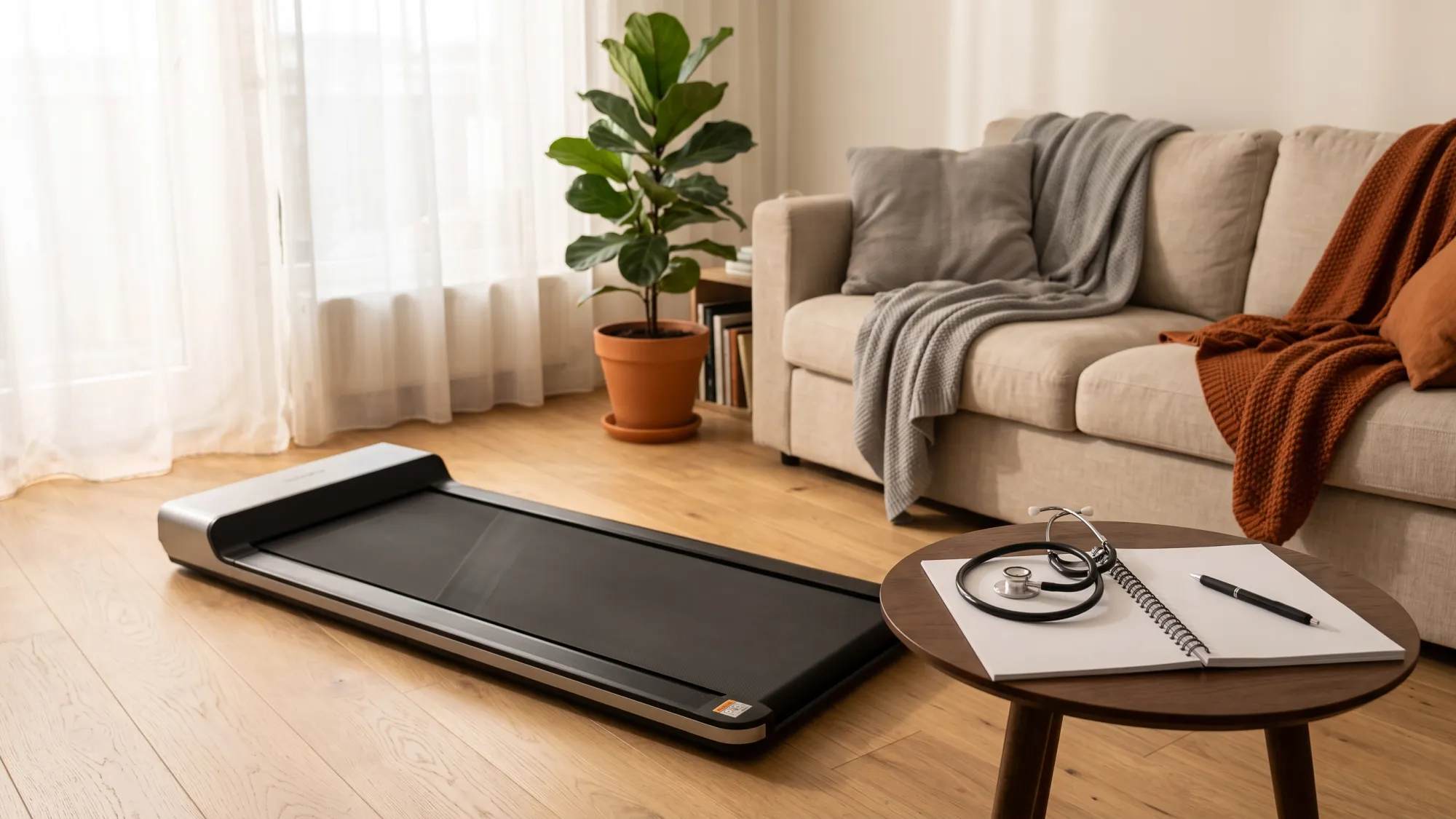
Yes, you can use FSA funds for a walking pad, but you need a Letter of Medical Necessity from a licensed provider.
Without that letter, the IRS considers a walking pad a general wellness item, not a medical expense. That means your FSA card will be declined at checkout, or your reimbursement claim will be rejected.
The key is proving the walking pad treats a specific diagnosed condition.
It cannot be for “staying healthy” or “getting more steps.” Your doctor must write that you need it for a medical reason like obesity, diabetes, joint pain, or cardiac rehab.
What the IRS Actually Says About Exercise Equipment
The IRS rule comes from Internal Revenue Code Section 213(d) and Publication 502.
It says a medical expense must be for the diagnosis, cure, mitigation, treatment, or prevention of disease. General fitness doesn’t qualify.
Here’s the part most people miss: exercise equipment can qualify if it is prescribed to treat a specific illness or injury.
The IRS has allowed treadmills, stationary bikes, and even swimming pools in the past — but only with a doctor’s note that explains the medical need. A walking pad falls into the same category.
So, does a walking pad qualify for FSA? Only when a doctor documents that it’s medically necessary for you.
What Is a Letter of Medical Necessity?

A Letter of Medical Necessity (LMN) is a document from a licensed healthcare provider — your doctor, a nurse practitioner, or a physician’s assistant — that says you need the walking pad to treat or manage a diagnosed condition.
It must include:
- Your diagnosis (for example, “type 2 diabetes” or “osteoarthritis of the knee”)
- How long you need the equipment (usually ongoing)
- Why a walking pad specifically is required (low impact, under-desk use, etc.)
- The provider’s signature and license number
Without a proper LMN, your FSA administrator will not approve the expense. Think of it as the legal pass that turns a walking pad from a luxury into a medical device.
Two Paths to Your Letter: Truemed vs. Your Own Doctor

You have two ways to get a Letter of Medical Necessity. Each has pros and cons.
Using Truemed or a Similar Service
WalkingPad’s website partners with Truemed. During checkout, you take a quick health survey. A licensed provider reviews it remotely and, if eligible, sends you an LMN by email.
The service is free if you buy from a partner merchant. The whole thing takes a few hours. It’s convenient and you don’t need an office visit.
Getting a Letter From Your Own Doctor
Your primary care doctor can write an LMN. The advantage: it’s free (or just the cost of a visit) and your doctor already knows your medical history.
The downside: you might need to schedule an appointment, and some doctors don’t understand the IRS requirements.
Ask specifically for a Letter of Medical Necessity that includes all the elements I listed above. If your doctor isn’t sure, show them the IRS Publication 502 guidelines.
I went through my own doctor because I already had a diagnosis of high blood pressure. He wrote a brief note, and my FSA administrator accepted it without issues.
Checkout Options: Using Your FSA Card or Getting Reimbursed
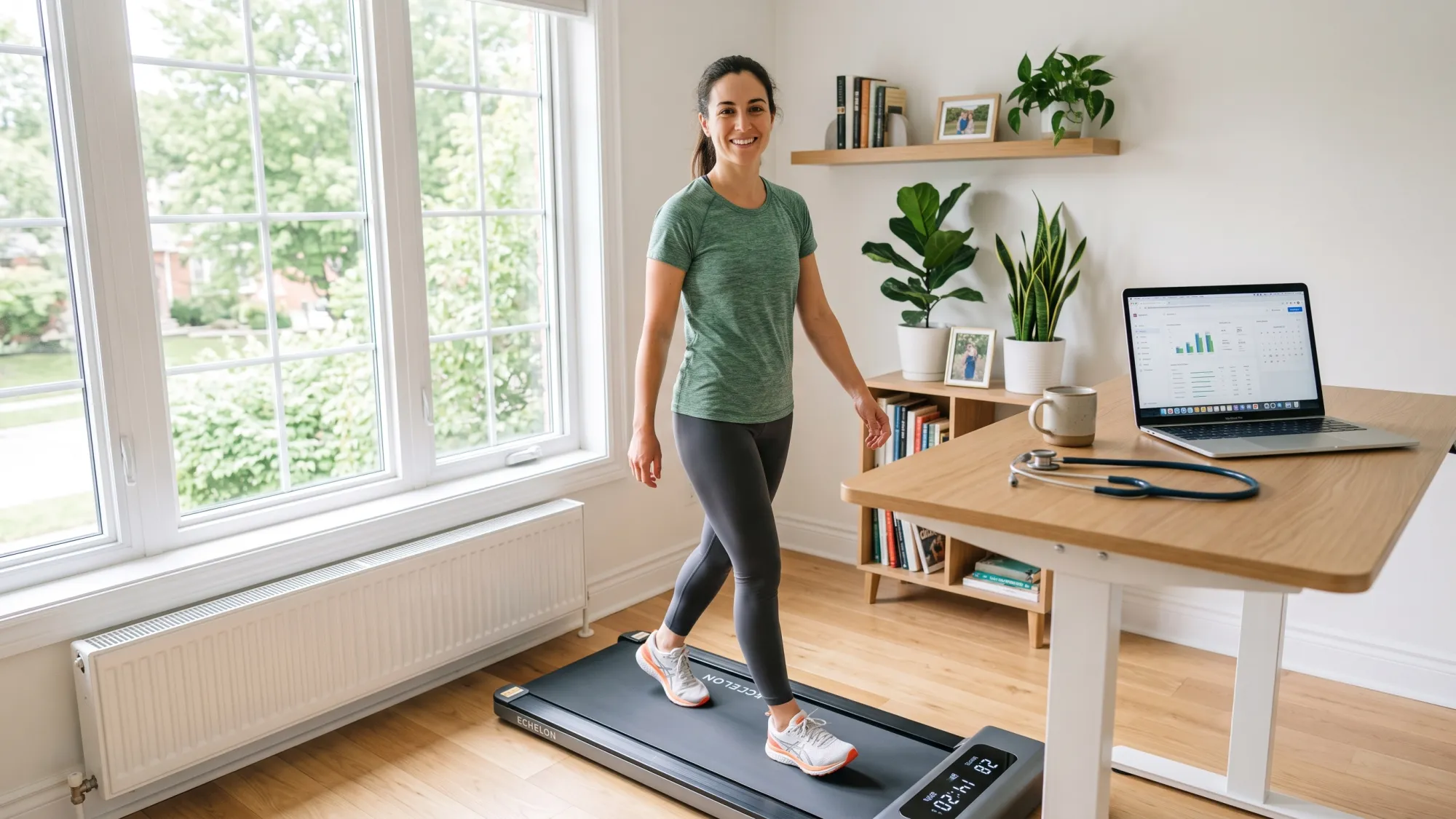
Once you have your LMN, you can buy the walking pad. Here are the two ways to use your FSA funds.
Pay Directly With Your FSA Card
If you use a service like Truemed at checkout, they connect with your FSA card provider. You enter your card details and the payment goes through.
The LMN is stored with the transaction, so your FSA administrator sees it automatically. This is the smoothest method — no paperwork after purchase.
Pay With a Regular Card and Submit a Reimbursement Claim
If you buy from any other retailer (Amazon, a local store, etc.), use your own credit or debit card. Then submit a reimbursement claim to your FSA administrator.
Attach the LMN, your receipt, and a copy of the prescription if you have one. Reimbursement usually takes 5–10 business days. Keep copies of everything.
One tip: make sure your FSA administrator allows manual submissions. Some only process through an online portal. Check your plan’s rules before buying.
Why Your FSA Claim Might Be Denied and How to Prevent It

Even with an LMN, mistakes happen. Here are the most common reasons for denial, based on what I’ve seen and heard from others.
- Vague diagnosis. “General lack of fitness” won’t work. The LMN must name a specific condition.
- Letter not signed by a licensed provider. An email from a nurse without a license number may be rejected.
- Purchase date before the letter date. The LMN must come before you buy the walking pad. Retroactive reimbursement is rarely allowed.
- Price too high. If the walking pad costs far more than similar models, the administrator may question whether it’s “reasonable” for the medical need. Stick to a standard model under $1,000.
If your claim is denied, you can appeal. Call your FSA administrator and ask what specific documentation they need. Often, a simple additional letter from the doctor fixes it.
Which Diagnoses Typically Qualify?
Not every condition works. Based on IRS rulings and real approvals, here are diagnoses that have justified walking pads and similar equipment.
| Condition | Why a Walking Pad Helps |
|---|---|
| Obesity (BMI over 30) | Low‑impact walking aids weight loss and metabolic health |
| Type 2 diabetes | Regular walking improves blood sugar control |
| Peripheral neuropathy | Gentle walking improves circulation and reduces pain |
| Osteoarthritis (hip or knee) | Walking pad provides low‑impact movement that doesn’t stress joints |
| Chronic lower back pain | Under‑desk walking strengthens core and reduces stiffness |
| Cardiac rehabilitation | Controlled walking rebuilds heart function after a heart attack or surgery |
If you have one of these conditions, your doctor can easily justify the walking pad. If you don’t, it’s still possible — but the letter needs a stronger medical argument.
Key Differences Between FSA and HSA
HSA and FSA accounts work differently. Mixing them up can cost you money or lead to a denied reimbursement.
- Ownership. An HSA is yours to keep even if you change jobs. An FSA belongs to your employer — if you leave, you lose the unspent money.
- Rollover. HSA funds roll over year after year. FSA funds are “use‑it‑or‑lose‑it” — any leftover money at the end of the plan year is forfeited (some plans allow a small carryover or grace period).
- Eligibility. You can have an HSA only if you’re enrolled in a high‑deductible health plan (HDHP). FSAs are available through most employer health plans regardless of deductible.
- Reimbursement timing. With an HSA, you can reimburse yourself years later as long as the expense was incurred while the HSA was active. With an FSA, you must submit the claim within the plan year (or grace period).
If you have an FSA, plan to buy your walking pad early in the year so you don’t lose the money. If you have an HSA, you can take your time.
Frequently Asked Questions
Can I use my FSA for a walking pad if I buy it from any store, or only from specific retailers?
Any store works — Amazon, Walmart, WalkingPad’s site, or a local shop. The FSA eligibility comes from your LMN, not from the retailer.
Just make sure you have the letter before you complete the purchase.
What happens if my doctor writes the letter but my FSA administrator still denies the claim?
First, don’t panic. Call the administrator and ask for the specific reason. Common fixes include resubmitting with a more detailed LMN or using a different form.
Some administrators require their own medical necessity form. Ask for it and have your doctor fill it out again.
Is there a maximum price limit that FSA will cover for a walking pad?
No fixed dollar limit, but the IRS says expenses must be “reasonable” for the medical need. A $400 walking pad is fine. A $3,000 luxury treadmill might raise eyebrows.
Stick to a standard model and keep the receipt.
Can I use my HSA to buy a walking pad for my spouse or dependent?
Yes. HSA funds can pay for qualified medical expenses of your spouse and tax dependents. They need their own Letter of Medical Necessity, just like you do. The diagnosis must be theirs.
Does the letter expire? Do I need a new one every year?
Not necessarily. If the condition is ongoing (like diabetes or arthritis), one letter should cover purchases within the same period.
But if your FSA administrator changes or they request an update, you may need a new letter. I keep my original letter on file and it has worked for multiple purchases.
What if I already bought a walking pad before getting the letter – can I be reimbursed retroactively?
Generally no. FSA rules require that the expense be incurred after the medical necessity is established.
Some administrators allow a short grace period (a week or two) if you get the letter immediately after purchase. Check your plan, but don’t count on it. Always get the LMN first.