Are Walking Pads Good for Dogs? What Every Owner Should Know

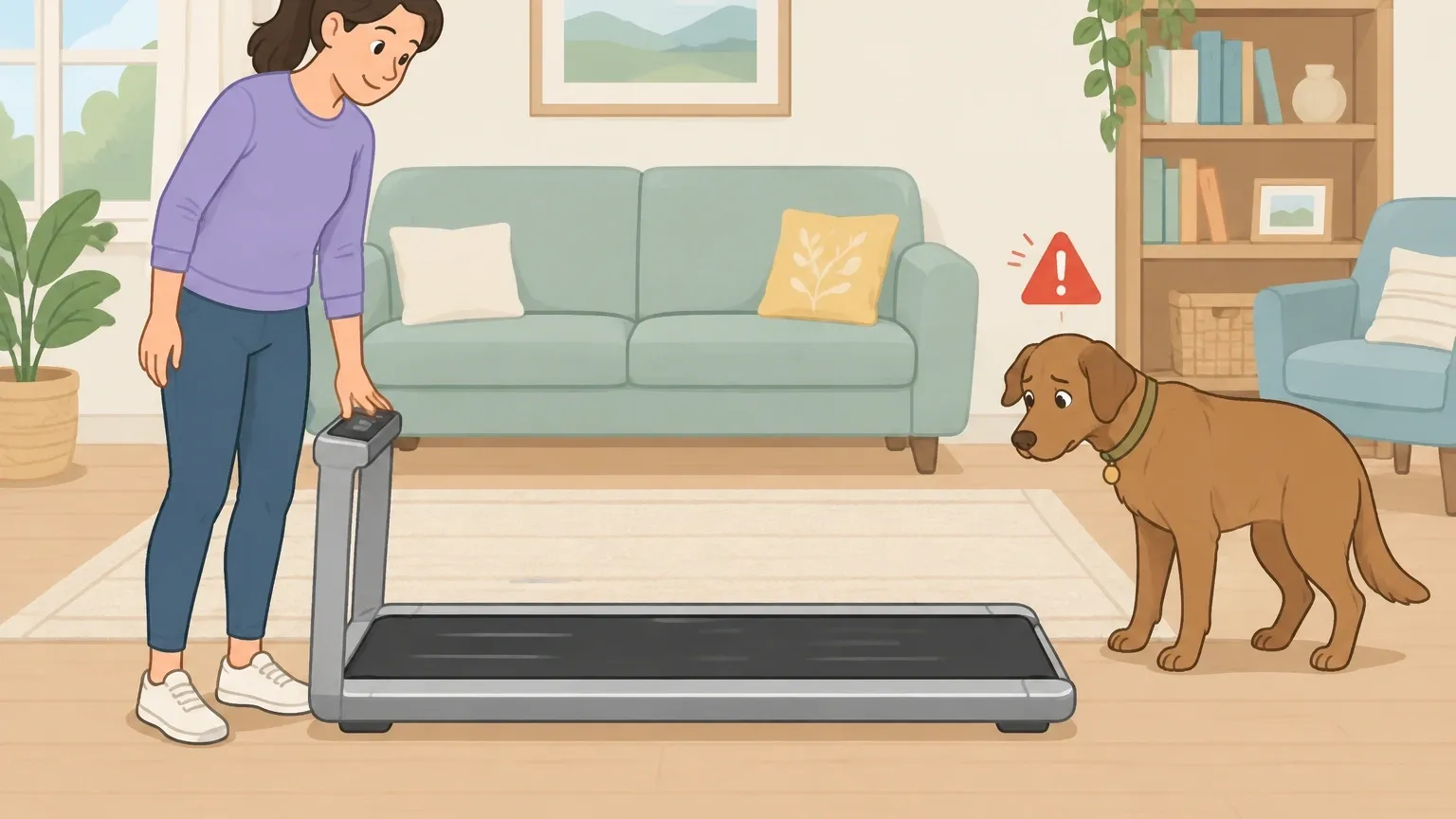
If you own a walking pad – those compact, under‑desk treadmills for humans – you might wonder if your dog can hop on and get a little exercise too. I get asked this all the time.
The honest answer is: for the vast majority of dogs, a walking pad is not a good idea. These machines were built for people, not for four‑legged companions.
But there are a few rare exceptions, and I’ll walk you through everything you need to know so you can make the safest choice for your pup.
What Is a Walking Pad? (Different From a Dog Treadmill)
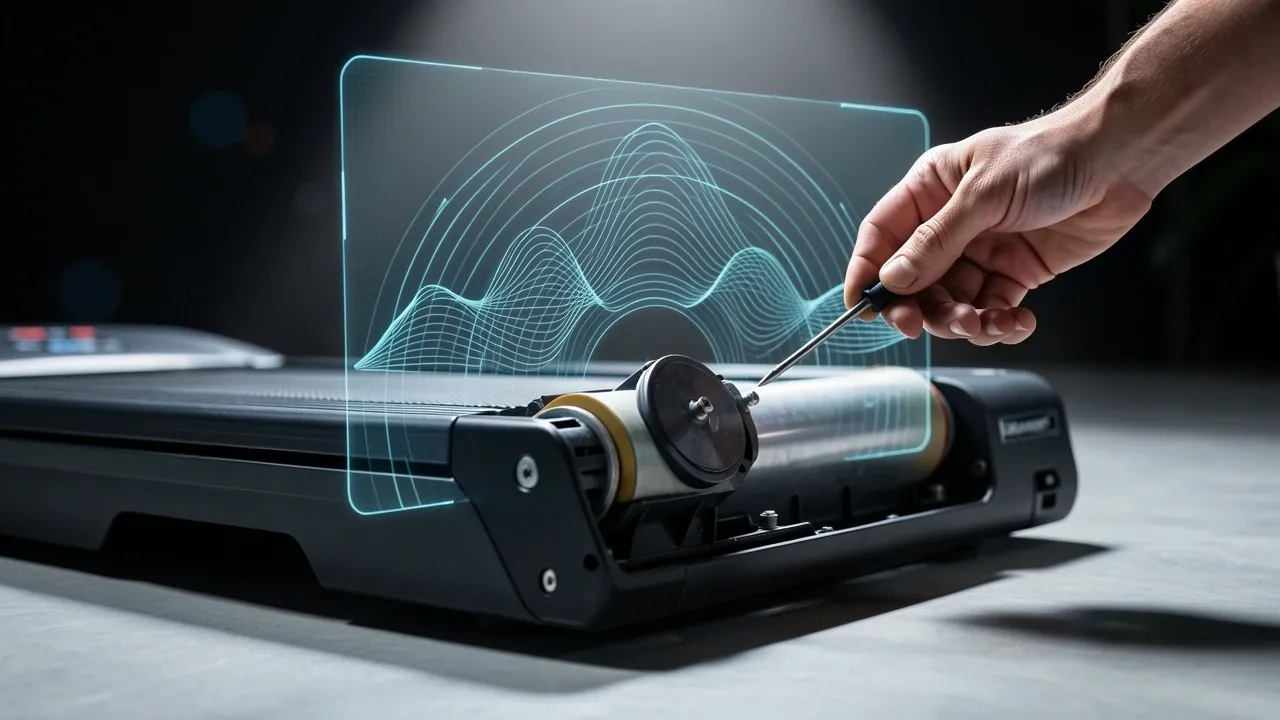
First, let’s be clear on what we’re talking about. A walking pad is a slim, low‑profile treadmill designed for walking under a desk.
It usually has a short belt (around 40 to 50 inches long), a top speed of 3–4 mph, no side rails or handrails (or very short ones), and a thin plastic or rubber deck.
These machines are meant for humans to walk slowly while working – they aren’t built for the different gait, weight distribution, or behavior of a dog.
Purpose‑built dog treadmills, on the other hand, have longer belts, sturdier frames, higher weight capacities, and often include safety features like side panels and adjustable speeds that are better matched to canine movement.
So when people search “are walking pads good for dogs,” they’re usually comparing apples to oranges.
The Safety Risks of Using a Walking Pad for Your Dog
The biggest reason walking pads are dangerous for dogs comes down to safety – both physical and mental. Here’s what I’ve seen happen and what vets warn about. Physical risks:
- Belt too short: A typical walking pad belt is 40–50 inches long. A medium or large dog’s natural stride is often longer than that. Your dog will have to either shorten its gait or step off the back, which can cause trips, falls, and joint strain.
- No side rails: Most walking pads have no barriers on the sides. A dog can easily step off mid‑stride, catching a paw or tail under the belt. That can lead to painful injuries like torn nails or fur burns.
- Slippery surface: Many walking pads use a thin, slick belt. Dog paws don’t have the same grip as sneakers. A dog that slips will panic, and a sudden jump off a moving belt can twist a leg or worse.
- Overheating: Dogs cool themselves by panting, not sweating. Indoor use without ventilation, especially on a machine that doesn’t have a cooling fan, can cause a dog to overheat quickly because they can’t adjust their own pace.
Behavioral risks:
- Fear and anxiety: The hum of the motor, the moving belt beneath their paws, and the confined space can terrify a dog that isn’t trained for it. I’ve seen dogs freeze, whine, or try to leap off the moment the belt starts.
- Inability to stop: A dog cannot press a stop button. If they get scared or tired, they have no way to end the session unless you’re watching every second. A dog that panics mid‑stride can be seriously hurt.
Why Walking Pads Don’t Fit Most Dogs’ Anatomy
This is a detail most articles skip, but it matters a lot. A dog’s anatomy is completely different from a human’s when it comes to walking on a machine. Stride length vs.
belt length: The average Labrador Retriever has a stride length of about 30–40 inches when walking at a comfortable pace.
That means on a 45‑inch belt, the dog has only a few inches of room in front and behind. If the dog speeds up even slightly, it will step off the back.
Smaller dogs with very short legs may have a stride of only 10–15 inches, so a short belt works better for them – but they still face the other risks. Here’s a quick comparison table:
| Dog size | Example breed | Stride length (walking) | Typical walking pad belt | Fit? |
|---|---|---|---|---|
| Small | Chihuahua, Yorkie | 10–15 in | 40–50 in | Possible but still tight |
| Medium | Beagle, Corgi | 15–25 in | 40–50 in | Marginal – risk of stepping off |
| Large | Labrador, German Shepherd | 30–40+ in | 40–50 in | Not safe – too short |
| Extra Large | Great Dane, Mastiff | 40–50+ in | 40–50 in | Dangerous – constant risk |
Joint angles and impact: Dogs have a different skeletal alignment than humans. Their front legs bear about 60% of their body weight.
A flat, rigid walking pad offers no shock absorption for a dog’s joints the way a soft outdoor trail or a purpose‑built dog treadmill with a padded belt does.
Over time, this can aggravate arthritis or cause new joint issues, especially in older dogs. Lack of incline control: Most walking pads have no incline.
For rehabilitation or controlled exercise, vets often prescribe a slight incline on a dog treadmill to strengthen hind‑end muscles. A flat walking pad doesn’t allow that.
The Noise Factor: What Most Owners Miss
One thing I didn’t fully appreciate until I tried it with my own dog is the noise.
Walking pads are quiet compared to a full‑sized treadmill, but they still produce a low‑frequency hum and a belt friction sound that many dogs find unsettling.
Dogs hear a wider range of frequencies than humans. The motor noise – especially at slower speeds where the belt drags – can sound like a low growl or a vibration that makes a dog nervous.
I’ve seen dogs refuse to even approach a walking pad that’s running, even on the lowest speed.
If your dog is sensitive to vacuum cleaners, hair dryers, or other household motor sounds, a walking pad will likely trigger the same fear response.
If you want to test this safely, turn the walking pad on at its lowest speed in another room. See how your dog reacts from a distance.
If they show any signs of stress (panting, pacing, hiding, or barking), do not force them near it.
When a Walking Pad Might Be Okay for a Dog (With Strict Rules)
I don’t want to say “never” because there are rare medical situations where a human walking pad can be used – but only under a veterinarian’s guidance. For example:
- Rehabilitation after surgery: A dog that needs controlled, low‑impact walking after a knee or hip surgery may be allowed on a very slow walking pad (1–2 mph) for short sessions, with constant supervision, a harness, and a padded surface underneath. The vet will give precise instructions on speed and duration.
- Weight loss for very small dogs: A tiny breed that needs gentle movement indoors might be okay on a walking pad with modifications (see below). But a few minutes of fetch would be safer.
If you get the rare green light from your vet, these rules are non‑negotiable:
- Never leave the dog unattended, even for one second.
- Keep the speed at 1–2 mph – slow enough that the dog can walk comfortably without trotting.
- Use a well‑fitted harness and keep a leash loose but ready to guide the dog off if needed.
- Place anti‑slip mats on both sides of the walking pad to prevent falls if the dog steps off.
- Limit sessions to 5–10 minutes at most, and watch for heavy panting, drooling, or any sign of stress.
- Make sure the room is cool and well‑ventilated.
For 99% of owners, though, I strongly advise against using a human walking pad for your dog. The risks far outweigh the benefits.
Better Alternatives: Purpose‑Built Dog Treadmills and Indoor Exercise
If you want a machine for your dog’s exercise, buy one made for dogs.
Brands like DogPacer and PetZen build treadmills with longer belts, side panels, adjustable inclines, and lower starting speeds.
These machines are designed to match canine movement and have safety features that prevent paw entrapment and allow the dog to stop naturally. But you don’t need a treadmill at all.
For most dogs, these simpler indoor alternatives work just as well:
- Indoor fetch and tug: Fifteen minutes of fetch in a hallway or backyard burns more energy than ten minutes on a walking pad.
- Interactive puzzles and treat‑dispensing toys: Mental exercise tires a dog out faster than physical exercise.
- Structured walks outside: The variety of smells and surfaces provides better enrichment than monotone treadmill walking.
- Foster a playmate: A second dog or playdates with other dogs offer natural movement and socialization.
The bottom line: if you have a walking pad and thought it could double as a dog exerciser, I hope this guide helps you see why it’s not a good match. Your dog’s safety and comfort come first.
Stick to equipment designed for them, and when in doubt, ask your vet.
Frequently Asked Questions
Can a walking pad help my dog lose weight faster than outdoor walks?
No. Weight loss depends on consistency and calorie burn. Outdoor walks burn more calories because they involve varied terrain, hills, and natural movement.
A walking pad offers only flat, repetitive motion, and the risk of injury can actually set back progress if your dog gets hurt.
What speed should I set if my dog is allowed to use it?
If your vet approves, set the speed between 1 and 2 mph – a very slow human walk. Anything faster forces your dog to trot or slide, which increases the risk of slipping or joint strain.
Never exceed 2 mph for any dog on a human walking pad.
Are there any dog breeds that might be okay on a walking pad?
Only very small, short‑legged breeds (Chihuahua, Pomeranian, Yorkshire Terrier) with a stride shorter than the belt might physically fit. But even they face the same safety and fear issues.
No breed is naturally comfortable on a moving human treadmill.
My dog loves to walk on the treadmill with me – is that okay if I hold them?
Holding your dog while walking on a human treadmill is dangerous. You can lose balance if the dog shifts, and the dog can easily get pulled off the belt. If you want to walk together, go outside.
If you need indoor exercise, use a side‑by‑side setup where each of you has your own space.
How do I tell if my dog is stressed or scared while on the pad?
Look for these signs: panting when not hot, drooling more than normal, ears pinned back, tail tucked, trying to jump off, stiff body posture, whining, or refusing to move.
If you see any, stop immediately. Never force a dog to continue.
Are there any walking pad brands specifically marketed for pets?
No. Walking pads are designed for humans. If you see a walking pad marketed “for dogs,” it’s usually just a very small human model with a slightly longer belt.
Always check the belt length and safety features. True dog treadmills are a separate category with different engineering.