Intermittent Fasting Explained in 5 Simple Steps

i was introduced to Intermittent Fasting (IF) around 2012. i was skeptical at first, so was my trainer at the time — but as usual i don’t judge something unless i try it first.
the idea of not eating every couple of hours felt weird to me. i thought i’d be losing muscle and size. i’m a medium-sized guy so i really didn’t wanna lose much weight. but i tried it anyway.
a year in, i was sold.
what is Intermittent Fasting (IF)?
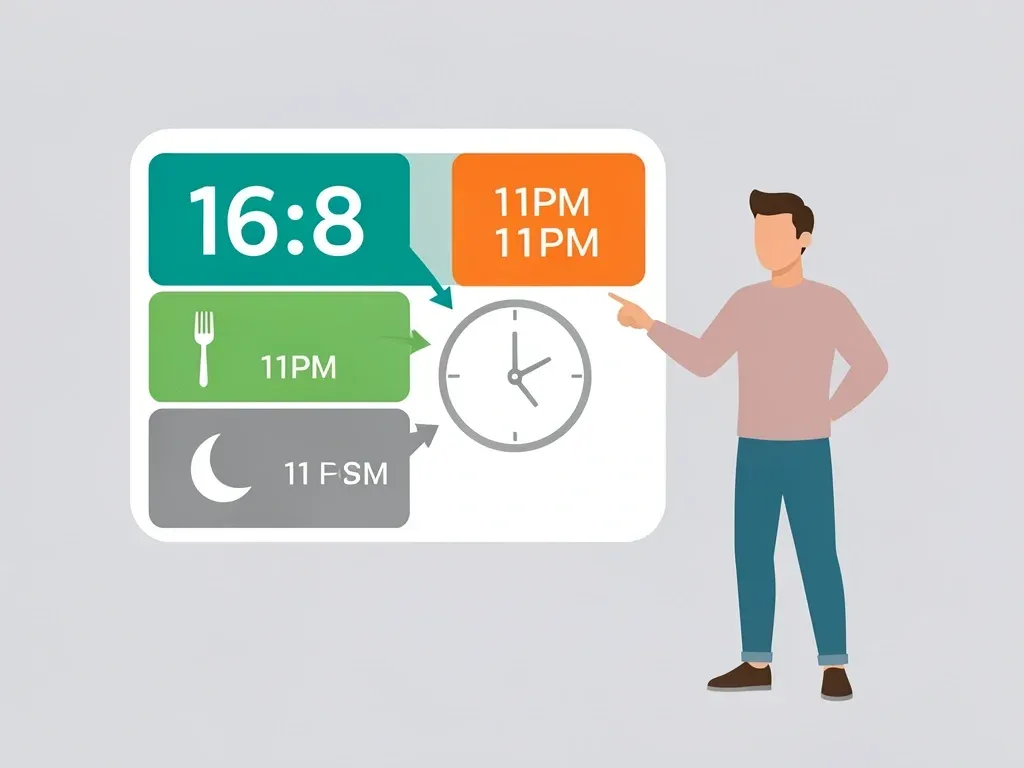
IF is just narrowing down your feeding window. if your daily intake is say 2500 calories, instead of eating those from 7AM to 11PM, you eat the same 2500 calories from 3PM to 11PM — that’s 8 hours.
this is the 16:8 method, which is what i do and what i’d recommend starting with.
can you build muscle on IF?
depends. if you’re in a caloric surplus with enough protein — yes. if you’re in a deficit, you’ll lose weight. it’s really that simple.
when i was figuring this out i kept going back to two places — the Hodge Twins on YouTube and Martin Berkhan’s site leangains.com. both have solid information and i learned a lot from them early on.
1. eating & fasting windows
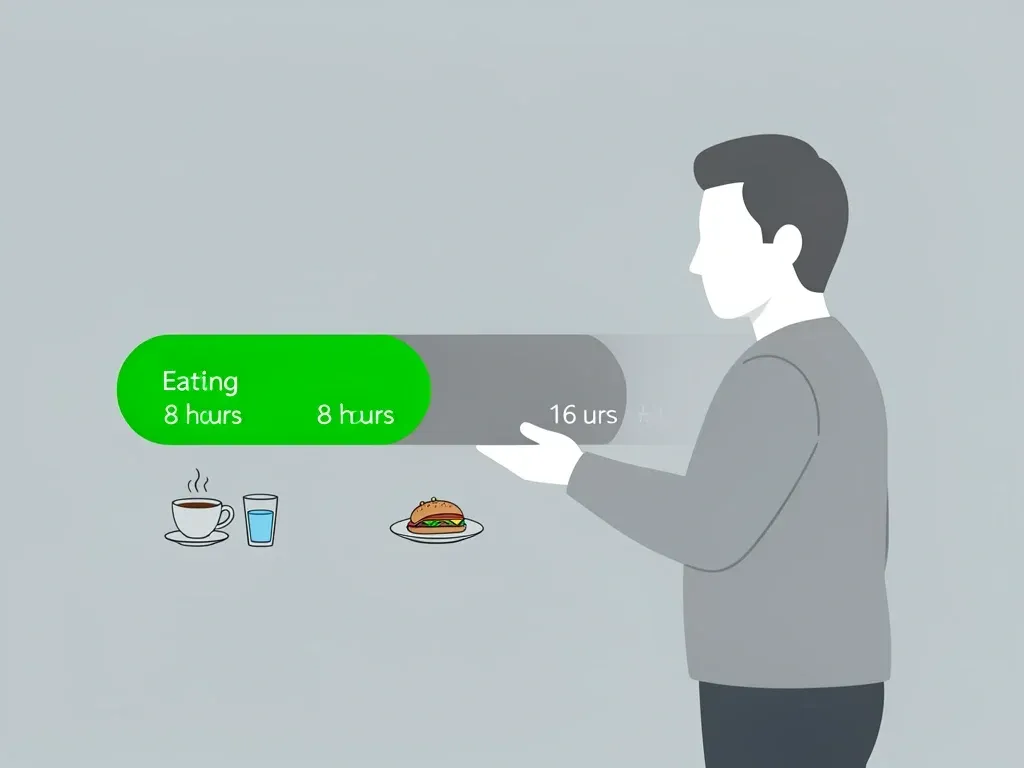
i do 8 hours eating, 16 hours fasting. some people go 6 and 18 but i’ve always found 16:8 easier to stick to long term.
during my fast i don’t have anything except water and black coffee — no sugar, nothing. tea works too but it messes with my stomach on empty.
if you use supplements, BCAAs during the fast are a good idea.
2. meal distribution
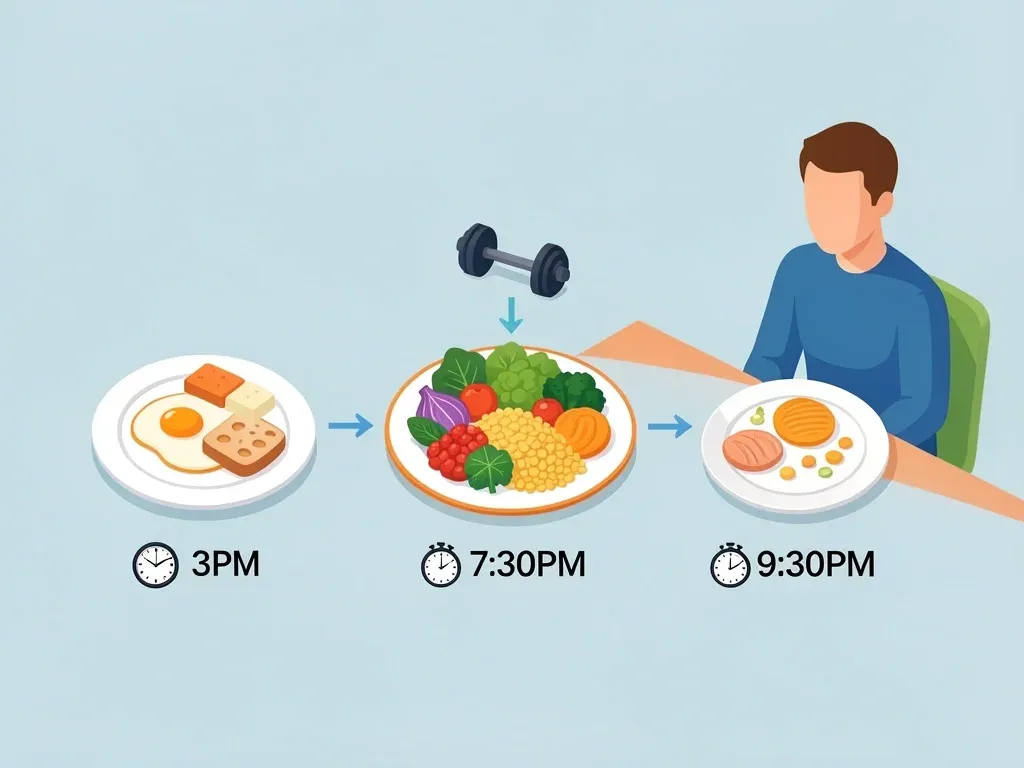
i have three meals in my eating window. big meals, not snacks.
the most important thing i’ve learned — put at least 75% of your carbs in your post workout meal. your body actually uses them there.
my current setup:
3:00 PM — protein and fat only, no carbs at all
7:30 PM — biggest meal of the day, post workout, minimum 75% of my carbs go here
9:30 PM — last meal, lighter
3. carb and fat cycling
keep protein the same every day, workout or rest day.
on training days have slightly more carbs than fat. on rest days flip it — slightly more fat than carbs. you don’t need to be exact about it, just directionally right.
4. workout
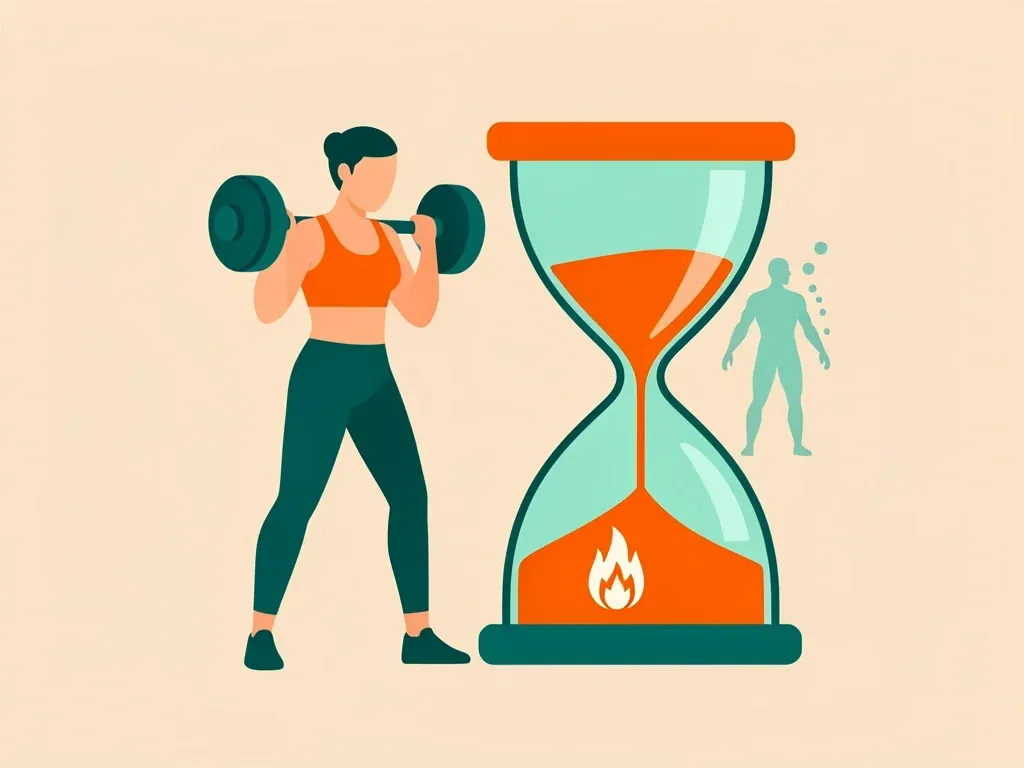
train fasted if you can. the first few sessions feel rough — low energy, maybe a bit weak. that goes away within 3 days or so.
when you train on an empty stomach your body goes through the glycogen in your muscles and liver first, then starts burning fat.
a 2013 study in the European Journal of Applied Physiology actually found that training with restricted glycogen improved how muscles use fat for fuel at the mitochondrial level.
trust the process on this one.
5. supplements
i have mixed feelings about supplements honestly. i like them and i don’t at the same time.
BCAAs — use during your fast, especially if you’re training fasted. just make sure it has zero or close to zero sugar. a lot of them are loaded with it.
protein powder — i mix it with cereal instead of milk, or just make a smoothie with milk, banana and peanut butter. nothing complicated.
two people i kept learning from and still recommend:
Lui Marco — youtube
Elliott Hulse — youtube
all information here is for educational purposes only. this isn’t medical advice — if you have a health condition, talk to a doctor before making changes.